




 Click it and Unblock the Notifications


Latest Updates
-
 Karwa Chauth Solah Shringar: The Significance Of The 16 Traditional Adornments
 -
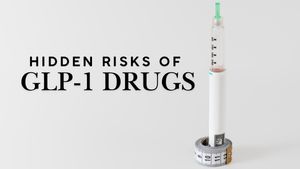 Weight-Loss Injections Are Not a Quick Fix: The Hidden Risks of GLP-1 Drugs
 -
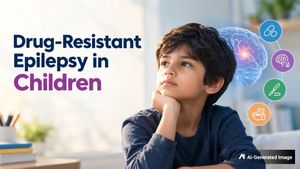 When Two Epilepsy Medicines Fail, What Should Families Do Next?
 -
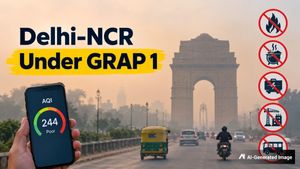 Delhi-NCR Under GRAP 1: The Curbs, the Bans and the Rules to Know
 -
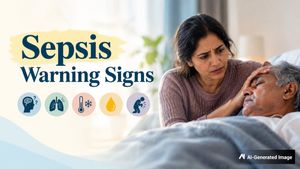 Sepsis Can Look Like ‘Just a Bad Infection’: Expert Lists Warning Signs Families Need to Know
 -
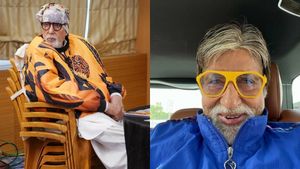 Amitabh Bachchan Social Media Break: Doctors Ask Big B To Rest
 -
 Throwback Thursday: Yash Chopra’s Heroines And The Fashion That Defined Bollywood Romance
 -
 Deepika Padukone Wears ₹90,000 Gold Kurta Set As Ranveer Singh, Daughter Dua Twin For Baby Devi’s Name Reveal
 -
 Women, Menopause And Bone Health: Doctor Explains Why Osteoporosis Risk Rises After 40
 -
 Can Breast Cancer Be Detected Before Symptoms Appear? A Doctor Explains The Role Of Screening


Non-Smokers Too At Risk From Second-Hand Smoke
As per this study, healthy non-smokers who are exposed to second-hand smoke are also at a risk of developing heart diseases. Read to know more.

A ban on smoking in public places came into effect across India eight years ago -- but India still remains home to 12 per cent of the worlds smokers and they with their second-hand smoke pose a threat to those who don't smoke.
Healthy non-smokers exposed to second-hand tobacco smoke are at an increased risk of developing coronary atherosclerosis, warns a senior cardiologist here, citing earlier findings which new studies have bolstered.

Investigators have observed a dose-response relationship between second-hand smoke exposure and atherosclerosis as documented by CT angiography, said Dr (Col) Anil Dhall, Director of Cardiovascular Sciences at Venkateshwar Hospital here.
The "extent and importance of second-hand tobacco smoke exposure as a major global health issue cannot be overestimated", say researchers.
In their analysis, low-to-moderate and high exposure to second-hand smoke remained major risk-markers. Indeed, it appeared to be a more powerful predictor of coronary atherosclerosis than traditional risk factors such as diabetes, hyperlipidemia -- an elevation of one or more fat proteins in the blood; commonly referred to as high cholesterol -- and hypertension.
The findings were based on data compiled by the National Cancer Institute and the Centers for Disease Control and Prevention in the US.
The data showed second-hand smoke as an important modifiable risk-factor for cardiovascular and other diseases. Second-hand exposure remains under-appreciated as a risk factor amongst doctors and patients, and is something that needs to be looked at in people's medical history and is really not asked that often, researchers said.
Atherosclerosis -- sometimes called hardening of the arteries -- can also slowly narrow the arteries throughout the body. When atherosclerosis affects coronary arteries, it becomes the No.1 killer. Most of those deaths are from heart attacks caused by blood clots.
In a study using CT angiography, the presence of any coronary calcified plaque was significantly associated with second-hand smoke exposure.
The analysis showed that individuals exposed to low-to-moderate levels of second-hand smoke were approximately two times more likely to develop atherosclerosis compared with those who had minimal second-hand smoke exposure.
For those exposed to high levels of second-hand smoke, the risk of atherosclerosis was 3.5 times higher when compared with those exposed to minimal second-hand smoke.
Dr Dhall listed measures that can be adopted to protect oneself and one's family from second-hand smoke:
-- Quitting smoking if you are not already a non-smoker;
-- Not allowing anyone to smoke anywhere in or near your home;
-- Not allowing anyone to smoke in your car, even with the windows down;
-- Making sure your children's daycare centre and schools are tobacco-free;
-- Seeking out restaurants and other places that do not allow smoking;
-- Teaching your children to stay away from second-hand smoke; and
-- Being a good role model by not smoking or using any other type of tobacco.
Inputs From IANS
Disclaimer: The information provided in this article is for general informational and educational purposes only and is not intended as a substitute for professional medical advice, diagnosis, or treatment. Always seek the advice of your physician or a qualified healthcare provider with any questions you may have regarding a medical condition.

 Continue with Google

