




 Click it and Unblock the Notifications


Latest Updates
-
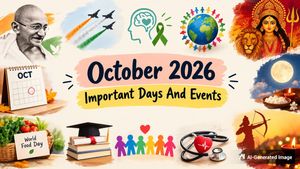 October 2026 Important Days And Events: Complete List Of National And International Observances
 -
 "I Look For Green Flags Now": Inside Dating's Biggest Shift In 2026
 -
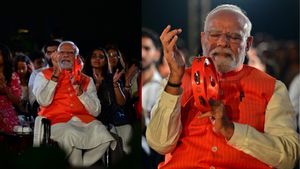 What Is Bhajan Clubbing? The Trend PM Modi Called Spectacular
 -
 Love & War First Looks: Alia Bhatt, Ranbir Kapoor and the Making of Bhansali's Next Epic
 -
 Bhadrapada Purnima 2026: What Makes This Full Moon Important Before Pitru Paksha
 -
 Pitru Paksha 2026: Do Ancestors Need Shraddha Rituals? Astrologer Ajit V Khawad Explains
 -
 Fake “Pakistan-Made” Beauty Creams Seized In Maharashtra: What To Know Before Buying Skin-Lightening Products
 -
 OTT Releases This Week (Sept 21-27): What To Watch Across Netflix, JioHotstar, Prime Video, ZEE5 And SonyLIV
 -
 CGM vs Finger-Prick Test: Which Blood Sugar Monitoring Method Is Better?
 -
 Anant Chaturdashi 2026: Why The Anant Sutra Has 14 Knots And How The Festival Is Linked To Ganesh Visarjan


The Dark Side of Indian Street Food: A Warning for Your Liver Health!
While the diverse and vibrant street food culture in India is mouthwatering, it hides a threat to liver health. Frequent indulgence, driven by the amazing variety and tastes, often leads to overconsumption. This, combined with unhealthy cooking practices like recurrent use of oil and high-fat content, significantly contributes to the risk of non-alcoholic fatty liver disease (NAFLD). Understanding these risks and making healthier choices can allow for a safe, satisfying culinary experience.

India's vibrant street food scene has a complexly diverse array of mouthwatering delicacies. However, this captivating culinary culture carries hidden dangers, posing a serious threat in the form of non-alcoholic fatty liver disease (NAFLD).
Often laden with trans fats, excess salt, and unhealthy cooking methods, indulgence in street food can lead to an unhealthy liver.

The Link Between Street Food and Fatty Liver Disease
Fatty liver disease essentially stems from excess fat accumulation in the liver, leading to inflammation and potential permanent damage.
Regular consumption of Indian street food, distinguished by high-fat content and unhealthy frying techniques, contributes to this risk. The fried snacks, curries shimmering with oil, and sweets rich in saturated fat, are often irresistible but are ticking time bombs for your liver health.

Unhealthy Cooking Practices
Visitors and locals alike are attracted to the tantalising aromas and the sizzling sounds of street food being prepared.
However, unhealthy cooking practices such as reusing oil over and over again, further escalate the levels of harmful trans fats in the food. These trans fats are notorious for contributing to hepatic steatosis, commonly known as fatty liver.

The Risk of Overconsumption
Another contributing factor to the association of street food and fatty liver disease is the ease of overconsumption. The delectable array of goodies is easy to binge on, leading to increased caloric intake and subsequent weight gain.
Obesity is a primary risk factor for developing fatty liver disease, thus enhancing the peril lurking within every tasty bite.
Managing the Risk
Moderation is vital when enjoying street food. Savouring these treats occasionally rather than making it a daily routine can significantly lower the risk.
Also, insisting on better cooking methods and opting for grilled or roasted over fried can be a healthier choice. Remember, your body is a reflection of your dietary choices, and healthy choices lead to a healthy life.

Conclusion
Indian street food, with its inimitable flavours and variety, is a culinary experience one should not miss. However, understanding and acknowledging the dangers it poses to liver health is crucial.
Awareness and making healthier choices can help mitigate the risks thereby allowing you to relish these delectable treats without compromising on health. Thus, strike the right balance for a healthy, hearty, and happy life.
Disclaimer: The information provided in this article is for general informational and educational purposes only and is not intended as a substitute for professional medical advice, diagnosis, or treatment. Always seek the advice of your physician or a qualified healthcare provider with any questions you may have regarding a medical condition.

 Continue with Google

