




 Click it and Unblock the Notifications


Latest Updates
-
 Love & War First Looks: Alia Bhatt, Ranbir Kapoor and the Making of Bhansali's Next Epic
 -
 Bhadrapada Purnima 2026: What Makes This Full Moon Important Before Pitru Paksha
 -
 Pitru Paksha 2026: Do Ancestors Need Shraddha Rituals? Astrologer Ajit V Khawad Explains
 -
 Fake “Pakistan-Made” Beauty Creams Seized In Maharashtra: What To Know Before Buying Skin-Lightening Products
 -
 OTT Releases This Week (Sept 21-27): What To Watch Across Netflix, JioHotstar, Prime Video, ZEE5 And SonyLIV
 -
 CGM vs Finger-Prick Test: Which Blood Sugar Monitoring Method Is Better?
 -
 Anant Chaturdashi 2026: Why The Anant Sutra Has 14 Knots And How The Festival Is Linked To Ganesh Visarjan
 -
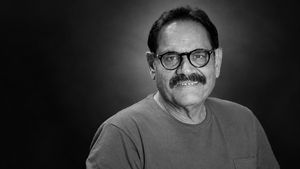 ‘Welcome’ Actor And Comedian Mushtaq Khan Passes Away After Battling Cancer
 -
 World Lung Day 2026: Date, Theme, History, and Significance
 -
 Who Is Adarsh Balak? The 1970s Indian Poster Boy On The London Runway


What Is Bhajan Clubbing? The Trend PM Modi Called Spectacular

On 25th September, Prime Minister Narendra Modi sat on a chair among a crowd of young devotees at Delhi's Deen Dayal Upadhyay Park, clapping along to live renditions of songs for Lord Ram and Lord Krishna. Later that evening, he posted on X: "Bhajan Clubbing in Delhi. Spectacular!"

The phrase sent people searching. Bhajan Clubbing is a format that blends traditional bhajans, kirtans and devotional chants with the lighting, sound systems and stage production of a live concert - devotion, reimagined with the ambience of a gig.
From College Courtyards To A Prime Minister's Praise
Bhajan Clubbing in Delhi.
— Narendra Modi (@narendramodi) September 25, 2026
Spectacular! pic.twitter.com/BujBa4lzk7
The format did not begin with Modi. Delhi Chief Minister Rekha Gupta inaugurated a ten-day 'Vasantotsav 2026' Bhajan Clubbing series at Ramjas College in February, with performances by bands such as Leela Band and India Music Collective rolled out across Delhi University campuses. Delhi's Art, Culture, Language and Tourism Minister Kapil Mishra described it at the time as a way to "connect young people with India's cultural and spiritual traditions in a contemporary format that resonates with them."
By September, the format had scaled up enough to draw the Prime Minister himself, at an event marking the 110th birth anniversary of Bharatiya Jana Sangh leader Pandit Deendayal Upadhyaya. Reports from the event described attendees as visibly moved by his presence, with some saying they hadn't expected him to show up at all.
How Big Has It Got?
The scale is what makes Bhajan Clubbing more than a one-off government event. Delhi alone hosted at least five major devotional concerts in March this year, drawing tens of thousands of attendees combined. One open-air event at the 16th-century Purana Qila fort pulled in a crowd of around 7,000, with electric guitars and drumbeats replacing the harmonium-and-tabla setup traditionally associated with bhajans. Cafes such as ChaiLeela in Noida now run regular devotional song nights built around the same format.
Devotion, Positioned As An Alternative
Part of the format's appeal, as reported at these events, is what it offers instead of a typical night out - a festive, high-energy setting without alcohol, built around music young attendees already grew up with in a devotional context. Modi has referenced this positioning himself through his radio programme Mann Ki Baat, describing Bhajan Clubbing as a trend that "incorporates the spirit of devotion into the youth's experiences and lifestyles."
Part Of A Larger Cultural Moment
The trend's growth also sits inside a wider push by the Delhi government to fold devotional practices into youth-facing cultural programming - from campus events during Vasantotsav to stadium-scale concerts. Whether it stays tied to government-backed events or grows independently through cafes and private venues, Bhajan Clubbing has moved fast: from a single college series in February to a Prime Ministerial endorsement by September.

 Continue with Google

