




 Click it and Unblock the Notifications


Latest Updates
-
 Sarva Pitru Amavasya 2026: Date, Significance, Rituals And How To Observe The Day
 -
 Navratri 2026: Vastu Consultant Gauri Jain Shares 9 Vastu Tips To Prepare Your Home Before Ghatasthapana
 -
 World Mental Health Day 2026: Is Saying No At Work Good For You?
 -
 World Mental Health Day 2026: Is It Time To Switch Off After Work?
 -
 Google Trends: What Indians Are Googling, Watching And Impulse-Buying This Festive Season
 -
 October Horoscope 2026: Astrologer Ashutosh Clairvoyant Shares What The Stars May Hold For 12 Zodiac Signs
 -
 Navratri 2026: Astrologer Rinhee Suberwal Explains If You Should Start Something New During This Time
 -
 Be Your Own Biggest Cheerleader: Katrina Kaif On Postpartum Trolling
 -
 Is Sabudana Really A Healthy Navratri Food? Nutritionist Breaks Down Its Benefits And Limits
 -
 Why Does Your Stomach Make Loud Noises When You Aren’t Hungry? Expert Explains


IBS and Hydration: Why Fluid Intake Matters More Than You Think

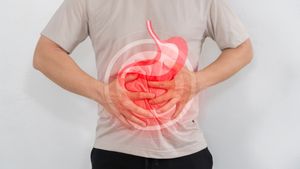
Some days, your gut just doesn't feel right, and if you live with Irritable Bowel Syndrome (IBS), you know how unpredictable that can be. One day it's discomfort, the next it's bloating or a sudden change in bowel habits, often without a clear reason why. While diet usually takes the spotlight, something as basic as how much water you drink and how you drink it can quietly influence how your symptoms show up. It's simple, often overlooked, and yet surprisingly impactful.
We spoke to Dr Sambit Kumar Bhuyan, Consultant - Medical Gastroenterology, Manipal Hospital, Bhubaneshwar, who explained the link between IBS and hydration and how to manage the symptoms.

Understanding IBS and Its Types
Irritable Bowel Syndrome (IBS) is a common condition that affects how the intestines function. It is broadly classified into three types based on symptoms:
- Constipation-predominant IBS (IBS-C)
- Diarrhoea-predominant IBS (IBS-D)
- Mixed type (IBS-M), where constipation and diarrhoea alternate
While several factors contribute to IBS, lifestyle choices, especially hydration, can play an important role in managing symptoms.
Why Hydration Matters in IBS

"Although hydration is not well known by most individuals, it might influence the treatment of IBS. For instance, in constipation-predominant IBS, dehydration may cause hardened faeces that will be difficult to eliminate from the body. Drinking more fluids makes the stool soft and allows it to pass easily," Dr Bhuyan.
The Challenge With Diarrhoea-Predominant IBS
On the other hand, diarrhoea-predominant IBS presents a different challenge. "Frequent loose stools can lead to dehydration and loss of essential electrolytes such as sodium and potassium. This imbalance may worsen fatigue, weakness, and gut sensitivity," added Dr Bhuyan. Replenishing fluids along with electrolytes becomes crucial in maintaining stability and preventing symptom flare-ups.
Simple Hydration Strategies That Help
Simple hydration strategies can make a noticeable difference. Water should be the primary source of daily hydration. During episodes of diarrhoea or increased fluid loss, ORS (Oral Rehydration Solutions) or electrolyte beverages may be more effective than plain water.
What To Limit or Avoid

On the other hand, certain liquids need to be consumed in smaller portions or even avoided. "Carbonated liquids may cause extra gas production and bloating; hence, they worsen the abdominal pain experienced. Moreover, alcohol increases irritation in the gut and affects its functioning negatively. Hence, IBS patients tend to experience cramps after drinking alcohol," warned Dr Bhuyan.
Build Better Hydration Habits
It is important to adopt proper hydration habits. Instead of consuming large amounts of liquid at once, it's better to drink fluids in small amounts throughout the day. Listening to your body's signals is essential for maintaining proper fluid balance.
Bottomline
Dr Bhuyan concluded, "The practice of staying properly hydrated is a simple but efficient technique for handling cases of IBS. It is important for individuals suffering from either diarrhoea or constipation to keep their body's fluids balanced to ensure smooth operation of the digestive system."
Disclaimer: The information provided in this article is for general informational and educational purposes only and is not intended as a substitute for professional medical advice, diagnosis, or treatment. Always seek the advice of your physician or a qualified healthcare provider with any questions you may have regarding a medical condition.

 Continue with Google

