




 Click it and Unblock the Notifications


Latest Updates
-
 Breast Cancer Awareness Month 2026: Expert Explains The Emotional Toll Of Breast Cancer
 -
 Navratri 2026 Food Hopping In Delhi NCR: 7 Places To Explore For A Taste Of Festive Flavours
 -
 Why Casual Games Are Perfect for Quick Online Play
 -
 World Menopause Day 2026: Theme, Significance And What Research Reveals About Menopause In India
 -
 Navratri Day 8: Maa Mahagauri Puja, Colour, Rituals And Significance
 -
 Dussehra 2026: The Difference Between Vijayadashami And Ravana Dahan
 -
 Veteran Musician Deva Dies At 75: Life And Legacy Of Thenisai Thendral
 -
 Navratri Fasting Diet: How To Stay Energised And Full Through The Day
 -
 Kavya Maran Wedding In Greece? Date, Venue, and What Is Confirmed
 -
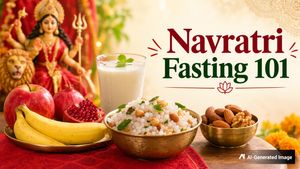 Navratri Fasting 101: What To Eat, What To Skip, And How To Avoid Acidity And Headaches


Heart Attack Fears Ruled Out: ‘Panchayat’ Fame Aasif Khan Confirms Real Reason Behind His Hospitalisation

Actor Aasif Khan, known for his role as 'Damaji' in 'Panchayat', recently sparked concern after being hospitalised with chest pain. Initial speculation suggested a heart attack, but the actor later clarified: it wasn't cardiac arrest but gastroesophageal reflux.
This condition, though far less dangerous, can mimic heart attack symptoms with alarming accuracy. In a post from the hospital dated 17 July 2025, Aasif reassured fans that he was doing well, sharing a photo of himself reading a book. He thanked everyone for their support and revealed he's been off his phone, calling the digital detox "refreshing."
Doctors have advised him to adjust his diet, cutting back on heavy meals like dal-bati and limiting non-vegetarian food while increasing physical activity. His experience reminds us that not all chest pain is what it seems.

When It Feels Like A Heart Attack But Isn't
Chest pain is often treated as a medical red flag-and for good reason. But while it's critical to take it seriously, it's also true that not all chest pain signals a heart attack. Conditions like gastroesophageal reflux disease (GERD) can produce similar sensations, causing unnecessary panic.
GERD occurs when stomach acid travels up into the esophagus, triggering a burning feeling just behind the breastbone-commonly known as heartburn. The discomfort often feels sharp, surface-level, and doesn't spread beyond the chest.
Key Differences: Heart Attack vs GERD
Heart-related chest pain usually feels like pressure, heaviness, squeezing, or tightening. It might radiate to the arms, jaw, back, or neck and worsen with physical activity or stress. Breathing deeply may intensify it, and it's often accompanied by:
- Shortness of breath
- Irregular heartbeat
- Cold sweat
- Dizziness or nausea
- Tingling in arms or jaw
GERD-related pain, in contrast, feels like a burning or sharp sensation, mostly after eating or lying down. It stays confined to the chest area and is typically accompanied by:
- A sour taste in the mouth
- Bloating and belching
- Bad breath
- Difficulty swallowing

Other Conditions That Cause Chest Pain
- Chest pain has many potential sources-some more serious than others.
- Panic attacks can trigger a racing heartbeat, breathlessness, and chest tightness.
- Costochondritis involves inflammation around the rib cage cartilage and can mimic heart attack symptoms.
- Esophageal spasms are painful contractions that may feel like heart pain.
- Peptic ulcers can create a burning sensation in the chest and upper abdomen.
- Pneumonia may cause sharp chest pain along with fever, cough, and shortness of breath.
- Cardiac conditions like angina, myocarditis, hypertrophic cardiomyopathy, and pulmonary hypertension are more serious and require prompt medical evaluation.
Why Symptom Awareness Matters
Aasif Khan's story is a case in point: the symptoms were real, the pain was intense, and the initial fear was justified. Thankfully, it wasn't a cardiac event-but it easily could have been.
Recognising how different conditions present can help individuals seek the right care at the right time. But no matter the cause, chest pain should never be ignored.
As Aasif shared from his hospital bed: "Life is short; don't take any day lightly. Everything can change in a moment." It's a message that resonates far beyond celebrity circles.
Know The Signs, But Don't Self-Diagnose
Whether it's heartburn or a heart attack, the takeaway is clear-listen to your body, and act quickly. While understanding the signs is important, only a medical professional can confirm the diagnosis.

Aasif's experience underscores both the unpredictability of health and the importance of prioritising it. Sometimes, stepping away from daily chaos-and dal-bati-is exactly what the doctor ordered.
Disclaimer: The information provided in this article is for general informational and educational purposes only and is not intended as a substitute for professional medical advice, diagnosis, or treatment. Always seek the advice of your physician or a qualified healthcare provider with any questions you may have regarding a medical condition.

 Continue with Google

