




 Click it and Unblock the Notifications


Latest Updates
-
 Navratri Fasting Diet: How To Stay Energised And Full Through The Day
 -
 Kavya Maran Wedding In Greece? Date, Venue, and What Is Confirmed
 -
 Navratri Fasting 101: What To Eat, What To Skip, And How To Avoid Acidity And Headaches
 -
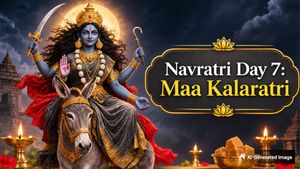 Navratri Day 7: Maa Kalaratri Puja, Colour, Rituals And Significance
 -
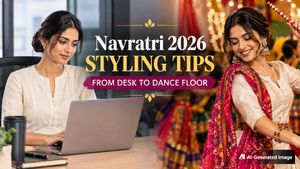 Office To Dandiya Nights: One Quick-Change Outfit Formula For Navratri 2026
 -
 As ‘Ranabaali’ Hits Theatres, A Look At Rashmika Mandanna’s ₹1.31 Lakh Ivory Saree For Pre-Release Promotions
 -
 Durga Puja Pandals Mumbai 2026: 7 Stunning Celebrations To Explore From Matunga To Juhu
 -
 World Spine Day 2026: Is Your Phone Habit Causing Neck Pain? What To Know About Tech Neck
 -
 Breast Cancer Awareness Month 2026: Expert Explains Why Family History Isn't the Only Risk
 -
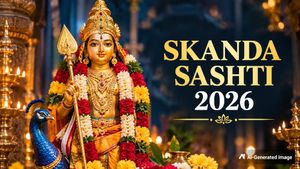 Skanda Sashti 2026: Significance, Vrat Rituals And How Devotees Observe The Day


FDCI x LFW: Of Liberation And Escapism, Thoughts On Gen Next Designers’ Collections


The day 1 of the FDCI x LFW started with the Gen Next Designers' digital show and this time, only two designers made the cut - Wajahat Rather, founder of the label, Raffughar, and Kolkata-based Rahul Dasgupta. With their short digital presentation, the two designers highlighted on the significance of eco-friendly fabrics and layering and draping, thereby catering to the contemporary market but staying culturally rooted.

For designer Wajahat Rather and his label Raffughar, it was the second outing, as in 2018, Raffughar was sponsored by Elle India to showcase its collection at the Lotus Make-up India Fashion Week - a FDCI platform. At the India Fashion Week in 2018, Raffughar showed the collection, 'Qurbat', which was inspired by the traditional architectural sensibilities of Kashmir. The label's fuss-free clothes were made out of handspun cotton and splashed in muted hues. Post India Fashion Week, Raffughar has focused on pastel shades and lightweight fabrics like cotton silk with his subsequent collections including Parvaaz and Tarakh. While signature earthy hues and sustainable fabrics have been one part of the brand's journey, the other part is that how Wajahat has stressed upon its growing clientele, the need of wearing outfits that makes one feel liberated. His minimalist outfits at the ongoing fashion week, might have been layered but nowhere, a feel of being constricted, was felt. Meticulously-done calligraphy and subtle motifs accentuated his mulmul-cotton collection and showed us Kashmir's artistic heritage in a more sophisticated and global light but the real highlight was the grey-toned scarf piece, which shone as a statement piece.

For designer Rahul Dasgupta, his eponymous label is just a 7-month-old brand, and the designer has previously worked with Ruceru, a women-wear designer label. Rahul presented a menswear collection, which was inspired by the sea and with his outfits, the designer also tried to capture the feeling of looking at the sea. The ombré dyed shades and textured tie and dyes translated the effect of sea very articulately into his structured kurtas and cigarette pants among other outfits. The designer used asymmetrical textured belted chaddars to add the waves-effect to his understated outfits but this layering seemed unnatural and disproportionate with the outfit and similarly, the waves-like neckline in one of his long-structured jackets, wasn't quite flattering for the waves-shaped neckline contrasted with the crisp silhouette. However, with his collection splashed mostly in the shades of blues, ivorys, greys, brown, and occasional reds, he made a strong case for cording, which worked beautifully to show the myriad patterns of sea and added to the contemplative mood, one would be in, when standing alone by the sea side as the sun sets - a sense of escapism from the mundane life.

 Continue with Google

