




 Click it and Unblock the Notifications


Latest Updates
-
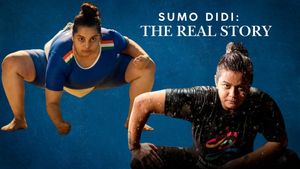 'Why Being a Girl Doesn't Mean Living Suppressed', Meet India's First Female Sumo Wrestler Hetal Dave
 -
 Remembering Jogen Chowdhury: Painter, Teacher, and Former Rajya Sabha Member
 -
 November 2026 Festivals: Diwali, Chhath, Dev Uthani Ekadashi And Every Vrat Date
 -
 November 2026 Important Days: Festivals, Health Days And Observances To Mark
 -
 Karwa Chauth 2026: Skincare Mistakes To Avoid Before The Festival
 -
 Periods That Become Heavier After 40: What Shouldn't Be Dismissed as Perimenopause?
 -
 Bigg Boss 20: Rohit Shetty Questions ScoutOP And Love Gill’s Bond, Kaashvi Says Feeling Disgusted
 -
 Sharad Purnima 2026: Try This Simple Gratitude Ritual Before Placing Kheer Under Moonlight
 -
 Dating App Survey Reveals How 30-Second Reels Distort Real-Life Relationship Expectations
 -
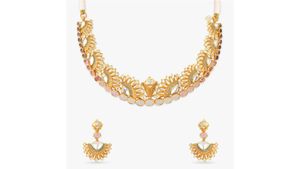 From Traditional to Contemporary: How Modern Gold Jewellery Is Redefining Festive Dressing


Cotton vs Linen vs Chanderi: Which Fabric Is Best For Monsoon?

A kurta that feels effortless in May can turn heavy, clingy and slow to dry the moment humidity crosses 85 percent. That shift: sudden, sticky, unforgiving, is what makes choosing the best fabric for monsoon a genuinely different problem from dressing for summer heat.

The three fabrics Indian wardrobes lean on most - cotton, linen and Chanderi - do not behave the same way once the rains set in. Weave, fibre structure and how each one handles trapped moisture decide whether an outfit survives a downpour or ends up sticking to the skin.
Cotton Still Wins The Everyday Fight

Fine, plain-weave cotton - the kind you can hold up to light and see through faintly - remains the most dependable monsoon fabric for daily wear. It absorbs a small amount of moisture without turning heavy, dries quickly once wet, and, unlike lighter synthetics, does not go translucent in a sudden shower.
Weight matters more than most shoppers realise. Heavier cotton weaves such as drill or denim-weight cotton take far longer to dry and feel oppressive once humidity crosses 90 percent, whereas finer weaves stay soft and manageable even after repeated monsoon washes. That single distinction - fine weave versus dense weave - explains why two cotton kurtas from the same fabric family can perform completely differently in the rain.
Linen Dries Faster, But Wrinkles More
Linen's case rests on fibre chemistry. Its structure is hollow, which lets it absorb up to a fifth of its dry weight in moisture before feeling damp, then release that moisture through evaporation faster than cotton does. In cities battling constant stickiness, that quick-release cycle is what makes linen feel cooler across a long, humid day.
It also carries a hygiene edge cotton doesn't quite match. Linen is naturally anti-bacterial and anti-fungal, a real advantage when monsoon humidity creates conditions favourable to bacterial growth on skin and fabric alike. The trade-off is upkeep - linen creases within minutes of sitting down, and pure linen offers little of the forgiveness a cotton-linen blend does for a commute-to-meeting kind of day.
Chanderi Looks Festive, But Reads The Room Differently
Chanderi sits in a different bracket altogether - less an everyday fabric, more an occasion one. Cotton-based Chanderi handles humidity reasonably well because of its breathability, but the silk-blended version tends to feel slightly clingy in very high humidity, which is why the cotton variant is generally the safer pick in humid cities.
Chanderi's real strength shows up just after the rains ease. The fabric suits the post-monsoon window and mild winters best, when its light sheen and semi-sheer texture stay comfortable in moderate temperatures without the peak-humidity struggle. It belongs at a covered festive gathering in September, not on a walk through standing water in July.
The Weave Matters More Than The Fabric Name
The honest answer isn't cotton, linen or Chanderi in isolation - it's the weave within each. A fine, sheer cotton will always outperform a dense one; pure linen creases faster than a cotton-linen blend but also dries faster; and cotton Chanderi forgives far more humidity than silk Chanderi does. Buying by fabric name alone, without checking the weave, is where most monsoon wardrobe choices go wrong.
There is no single winner here, only a right fabric for the right moment. Fine cotton carries the everyday commute, linen earns its place on the muggiest days, and Chanderi waits for the first dry evening after the rains break. The smartest monsoon wardrobe keeps space for all three, and lets the humidity outside decide which one goes on.

 Continue with Google

