



 Click it and Unblock the Notifications



Latest Updates
-
 Breast Cancer Awareness Month 2026: Expert Explains The Emotional Toll Of Breast Cancer
-
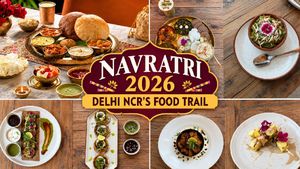 Navratri 2026 Food Hopping In Delhi NCR: 7 Places To Explore For A Taste Of Festive Flavours
-
 Why Casual Games Are Perfect for Quick Online Play
-
 World Menopause Day 2026: Theme, Significance And What Research Reveals About Menopause In India
-
 Navratri Day 8: Maa Mahagauri Puja, Colour, Rituals And Significance
-
 Dussehra 2026: The Difference Between Vijayadashami And Ravana Dahan
-
 Veteran Musician Deva Dies At 75: Life And Legacy Of Thenisai Thendral
-
 Navratri Fasting Diet: How To Stay Energised And Full Through The Day
-
 Kavya Maran Wedding In Greece? Date, Venue, and What Is Confirmed
-
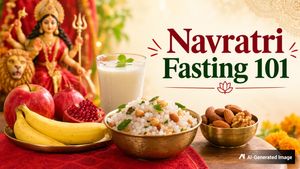 Navratri Fasting 101: What To Eat, What To Skip, And How To Avoid Acidity And Headaches


How Cake Has Evolved Over Centuries, From Egyptians, Marie Antoinette To Modern Day

Cakes have a rich and fascinating history that dates back to ancient times. The concept of baking sweet treats can be traced back to the Egyptians, who were known for their advanced culinary skills. They would create flatbreads sweetened with honey and fruits, which can be considered the earliest form of cake.
Medieval Delicacies
During the Middle Ages, cakes became more elaborate and diverse. With the introduction of refined sugar in Europe, bakers started experimenting with new ingredients and techniques. Fruitcakes became popular during this time due to the abundance of dried fruits.

"Let Them Eat Cake!"
Marie Antoinette's famous quote may not have been about cakes specifically, but it reflects the extravagant culture surrounding desserts in France during her reign in the late 18th century. French patisseries began creating exquisite pastries and cakes adorned with intricate designs.
Rise of Modern Cakes
In the 19th century, advancements in technology revolutionized cake making. Baking powder was invented, allowing cakes to rise higher and become lighter. This led to the creation of classic favorites like sponge cake and chiffon cake.
The Influence of India
India has a long-standing tradition of sweet delicacies, and cakes have become an integral part of the country's culinary landscape. Indian-style cakes often incorporate local flavors such as cardamom, saffron, and coconut. Festivals like Diwali are incomplete without indulging in traditional Indian cakes like Gulab Jamun and Rasmalai.
Cakes Around the World
Today, cakes are enjoyed worldwide in various forms. From American classics like chocolate cake to British favorites like Victoria sponge cake, each culture has its own unique variations. Cakes have also evolved with modern trends, including vegan and gluten-free options to cater to diverse dietary needs.
{quiz_1237}

 Continue with Google


