




 Click it and Unblock the Notifications


Latest Updates
-
 Eat, Celebrate, Repeat: 6 Ayurvedic Tips To Keep Your Digestion Happy This Navratri 2026
 -
 Breast Cancer Awareness Month 2026: Expert Explains The Emotional Toll Of Breast Cancer
 -
 Navratri 2026 Food Hopping In Delhi NCR: 7 Places To Explore For A Taste Of Festive Flavours
 -
 Why Casual Games Are Perfect for Quick Online Play
 -
 World Menopause Day 2026: Theme, Significance And What Research Reveals About Menopause In India
 -
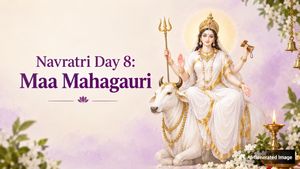 Navratri Day 8: Maa Mahagauri Puja, Colour, Rituals And Significance
 -
 Dussehra 2026: The Difference Between Vijayadashami And Ravana Dahan
 -
 Veteran Musician Deva Dies At 75: Life And Legacy Of Thenisai Thendral
 -
 Navratri Fasting Diet: How To Stay Energised And Full Through The Day
 -
 Kavya Maran Wedding In Greece? Date, Venue, and What Is Confirmed


Tulsi Mala – Rules To Follow & Benefits Of Wearing It

Tulsi is one of the most sacred plants in Hinduism. Personified as Goddess Tulsi, she is worshiped as a deity. People grow Tulsi plants in their homes and women offer prayers to her early morning.
Planting a basil tree in the Brahmasthan of the house, is considered very auspicious. It radiates divinity in the surroundings and ensures the flow of positive energy all around. Brahamasthan is the exact centre of the house, which is considered the most sacred point of the house. Tulsi is also known for its medicinal benefits. Other than this the beads of Tulsi are used to make 'mala' which can be worn as well as used for chanting mantras.

Tulsi mala is one of the most preferred malas, considered as an ornament as well as a japamala. When used as a japamala, it has 108 beads plus one. The 108 beads refer to chanting 108 names of a deity or chanting a mantra 108 times. The extra bead is considered so that, the person undertaking the enchantment or the saadhna does not feel dizzy. This bead is a little bigger than the others in the mala, and is known as the Krishna bead. Chanting the mantras has to begun from one side of the mala and when 108 beads have been covered, one must not cross over the Krishna bead, and, the next round should begin in the opposite direction.
Benefits of Tusli Mala
Several benefits regarding this have been mentioned the Garuda Purana. We all know that Tulsi is dear to Lord Vishnu and Lord Krishna. Garuda Purana mentions that Lord Vishnu stays with the person who wears Tulsi beads. It also mentions that the benefits accrued by wearing it are a million times more than those earned by wearing Devta puja, Pitra Puja or other punya karmas. It also gives protection from bad dreams, fear, accidents and weapons. And representatives of the Lord of death, Yamaraja, stay far from that person. It also protects one from ghosts and black magic.
It is believed that the use of Tulsi beads, purify the mind, body as well as the soul of a person. It radiates positive vibes in the aura of a person and helps him get rid of all forms of negative energy. Wearing a Tulsi mala increases the concentration and the wearer gets rid of health problems. The wood in the beads is healthy for the skin as well. It is said in the Skanda Purana that it destroys the greatest sins of the wearer.
Hindus use the white coloured beads and the Buddhists use black coloured beads.
As believed, in Vishnu Dharmaottara, Lord Vishnu has himself said that without doubt, anyone who wears Tulsi mala, even if he is unclean, or of bad character, will surely attain the Lord himself.
Follow These Rules to wearing Tulsi Mala
Before wearing the Tulsi mala, one must present it before Lord Vishnu. After that the mala has to be purified with Pancah Gavya, and then the 'mula-mantra' has to be recited. This is followed by the recitation of the Gayatri Mantra eight times. Then one has to recite the Sadyojata mantra. When all these have been completed, one has to chant the mantra for thanking Goddess Tulsi and requesting her to bring one closer to Lord Vishnu.
Though there are varied views regarding the time when the m ala can be worn and when it must be removed ad should not be around the neck. Yet many believe that rules regarding this are mentioned in the Padma Purana according to which, this mala has to be worn at all times, such as during the morning ablutions, or whether the wearer is bathing, eating etc.. and is not to be removed.
Disclaimer: The benefits of gemstones mentioned in this article are based on traditional beliefs and astrological practices. Results may vary from person to person. We recommend consulting a certified astrologer or gem expert before wearing any gemstone for astrological purposes. This content is intended for informational purposes only and should not be considered a substitute for professional advice.

 Continue with Google

