




 Click it and Unblock the Notifications


Latest Updates
-
 Kavya Maran Wedding In Greece? Date, Venue, and What Is Confirmed
 -
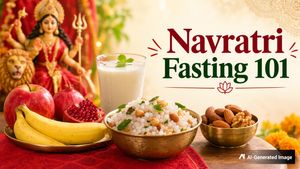 Navratri Fasting 101: What To Eat, What To Skip, And How To Avoid Acidity And Headaches
 -
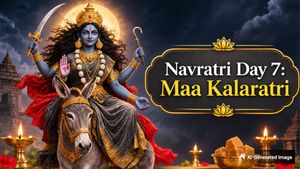 Navratri Day 7: Maa Kalaratri Puja, Colour, Rituals And Significance
 -
 Office To Dandiya Nights: One Quick-Change Outfit Formula For Navratri 2026
 -
 As ‘Ranabaali’ Hits Theatres, A Look At Rashmika Mandanna’s ₹1.31 Lakh Ivory Saree For Pre-Release Promotions
 -
 Durga Puja Pandals Mumbai 2026: 7 Stunning Celebrations To Explore From Matunga To Juhu
 -
 World Spine Day 2026: Is Your Phone Habit Causing Neck Pain? What To Know About Tech Neck
 -
 Breast Cancer Awareness Month 2026: Expert Explains Why Family History Isn't the Only Risk
 -
 Skanda Sashti 2026: Significance, Vrat Rituals And How Devotees Observe The Day
 -
 Saraswati Avahan 2026: Significance, Shubh Muhurat, Rituals And Puja Vidhi


Why Do Indian Brides Get Covered In Haldi On Their Wedding Day? It's More Than Skin Deep

If you've ever attended a traditional Indian wedding, you've likely witnessed a vibrant ritual where the bride and groom are smeared head-to-toe in bright yellow turmeric paste, known as haldi. It's joyful, colourful, Instagram-worthy-but also deeply symbolic.
The question is: why turmeric? Is it just about glowing skin, or is there something ancient, perhaps even mystical, behind the yellow?

Let's unpack what this ritual is really about.
It's Not Just Skin Deep, Turmeric Has A Spiritual Role
In Hindu tradition, turmeric is considered sacred and purifying. Applying it before the wedding isn't just about beauty-it's believed to cleanse the aura, ward off evil spirits, and prepare the couple for sacred union. In fact, turmeric's powerful sattvic (pure) properties are said to invite blessings from the gods themselves. It's no coincidence that it's used in nearly every major religious ceremony in Indian culture.
The Bride And Groom Aren't The Only Ones Affected
What many people overlook is how communal the haldi ceremony is. When family members apply turmeric to the bride and groom, they symbolically share in their joy, protection, and spiritual readiness. It's a ritual of collective goodwill-and it's also why the haldi from the bride is never reused or shared, as it is considered charged with her personal energy.
There's A Science Behind The Yellow Too
Turmeric isn't just spiritually potent-it's also a scientifically proven antibacterial and anti-inflammatory agent. Applying it to the skin helps reduce acne, clear scars, and gives that unmistakable bridal glow. But here's what's wild: this ancient tradition practiced for centuries now has medical backing. Your nani was right all along.

An Omen For Fertility, Prosperity And Even Marriage Timing
In some parts of India, the haldi colour left on the skin is read for signs. A deep stain indicates prosperity and luck in marriage, while a pale one might mean the wedding needs more rituals for spiritual alignment. Some believe turmeric helps in boosting fertility and symbolizes prosperity, which is why it's the final skin ritual before the wedding.
A Shield Against The Evil Eye
Perhaps the most mystical part of the haldi ritual is this: turmeric is believed to guard against nazar, or the evil eye. In ancient folklore, yellow wards off jealousy and envy-which often peak during marriage preparations. Haldi isn't just beauty prep-it's an energetic shield.

 Continue with Google

