




 Click it and Unblock the Notifications


Latest Updates
-
 Why Casual Games Are Perfect for Quick Online Play
 -
 World Menopause Day 2026: Theme, Significance And What Research Reveals About Menopause In India
 -
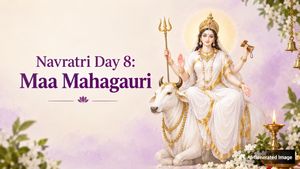 Navratri Day 8: Maa Mahagauri Puja, Colour, Rituals And Significance
 -
 Dussehra 2026: The Difference Between Vijayadashami And Ravana Dahan
 -
 Veteran Musician Deva Dies At 75: Life And Legacy Of Thenisai Thendral
 -
 Navratri Fasting Diet: How To Stay Energised And Full Through The Day
 -
 Kavya Maran Wedding In Greece? Date, Venue, and What Is Confirmed
 -
 Navratri Fasting 101: What To Eat, What To Skip, And How To Avoid Acidity And Headaches
 -
 Navratri Day 7: Maa Kalaratri Puja, Colour, Rituals And Significance
 -
 Office To Dandiya Nights: One Quick-Change Outfit Formula For Navratri 2026


When is Makar Sankranti 2026? Timing, Traditions, and Festivities Explained

Every year in January, the usual question appears on all calendars and community conversations: Is Makar Sankranti on the 14th of January or on the 15th of January? But for 2026, the answer to this question is clearer than before and takes into consideration astronomy and religion together.
What Is Makar Sankranti?

The Makar Sankranti Festival is one of the oldest and widely observed festivals in India. This marks the onset of the approach of the sun to the zodiac sign of Capricorn, denoting the end of the south journey of the sun and the beginning of its journey towards the north. This marks a period of hope, illumination, and religious optimism.
Unlike other Hindu festivals, which are based on a lunar calendar, Makar Sankranti marks a solar event, and hence it generally happens on or around January 14 each year.
Is it January 14 or 15 in 2026?
For 2026, Makar Sankranti will be officially celebrated on Wednesday, January 14. That's because the Sun enters Makara Rashi (Capricorn) at about 3:13 PM IST on that day, which falls well before sunset, the key factor that fixes the celebration date.
Because this transition happens during daylight hours, all major rituals, pujas and festive observations are done on January 14 itself, not the 15th.
Why Do Some People Still Mention January 15?
The confusion crops up because some traditional calendars and local customs look at festival timings differently, sometimes based on sunrise, tithi (lunar day), or nightfall. In years when the Sun moves into Makara very late in the evening, certain rituals can spill over to the next day. But in 2026, the key transition is solidly in the afternoon on January 14, so there's no strong reason to shift it to January 15.
How It's Celebrated Across India
Although the date is determined, the manner by which people observe Makar Sankranti is based on their region:

- In Gujarat and Rajasthan, people fly colourful kites and eat culinary delights.
- A harvest festival called "Pongal", held in the state of Tamil Nadu, is an event that spreads over several days in this season.
- In the eastern provinces of Assam and Bengal, it is known as "Magh Bihu or Poush Parbon." Food and cultural traditions are associated with it.
In India, usual celebrations include sacred dips in rivers, worship of the sun (Surya Puja), donation (daan), and indulgences in traditional foods like til laddoos, khichdi, and sweets that stand for harmony, warmth, and gratitude.
Bottomline
Makar Sankranti in 2026 will be celebrated on January 14, complete with pujas, holy baths, charity, festive food, and widespread joy across communities. The idea that it might fall on January 15 is mainly due to traditional calendar differences, but astronomically and officially, the festival belongs to the 14th this year.

 Continue with Google

