




 Click it and Unblock the Notifications


Latest Updates
-
 Condoms, Pills, Copper-T or Hormonal IUD: Expert Answers How Do You Actually Choose?
 -
 The Missing Medal: How Mirabai Chanu Finally Completed Her Collection At The Asian Games
 -
 From Corsetry To Crystals: Breaking Down Rashmika Mandanna's Vogue World Gown
 -
 Govt Warns Against Overusing Antibiotics And Painkillers: No Prescription, No Pills
 -
 72nd National Film Awards: Yami Gautam's Message For Outsiders, Mammootty And Dhanush Honoured
 -
 Ayurveda Day 2026: An Expert Explains 7 Food Habits Ayurveda Would Ask You To Rethink
 -
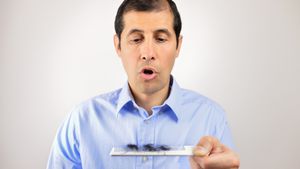 Stop Blaming the Monsoon Entirely for Your Hair Fall, Says This Dermatologist
 -
 Shakira Debuts a New Gaurav Gupta Breastplate, and This Time It's Gold and Banarasi
 -
 Can Hair Oils Prevent Premature Graying or Improve New Hair Growth?
 -
 Can Any Blood Group Donate Organs to Any Patient? A Transplant Expert Explains


Tirukkural-On Virtue-Family Life-Kural 48


Arrin olukki aranilukka ilvalkkai
Norparin noanmai utaittu
A virtuous householder who supports all other orders in their state,
Has more penance in him, than all the hermits.
This Kural only emphasises the idea stated already by Valluvar in earlier couplets. One is reminded in this context of the 'holy householder hermit, Joseph', described effectively in the Tamil Classic, Thembavani by that great Tamil poet, Veeramamunivar, (Rev. Fr. C J Beschi).
The term 'Aaatrin Oluki' would mean that the householder who performs his duty well and lives a life of virtue, helps all other orders to live their lives in virtue. And parallelly the term 'Aranizaka' would imply exactly what is intended in the following Maduraikanchi line.
Ara neri pizayaathaatrin oluki (Madhuraikanchi-500)
The total idea, therefore, is that if a householder lives a life of love and virtue and helps others also to live their ordered lives appropriately, there is no need for anything more by way of the penance of hermits for him, for he would have reached the highest level of penance in the natural course itself.

 Continue with Google

