




 Click it and Unblock the Notifications


Latest Updates
-
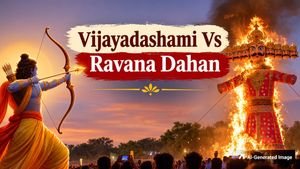 Dussehra 2026: The Difference Between Vijayadashami And Ravana Dahan
 -
 Veteran Musician Deva Dies At 75: Life And Legacy Of Thenisai Thendral
 -
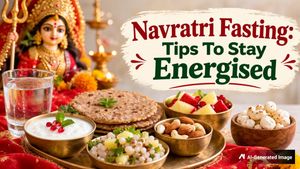 Navratri Fasting Diet: How To Stay Energised And Full Through The Day
 -
 Kavya Maran Wedding In Greece? Date, Venue, and What Is Confirmed
 -
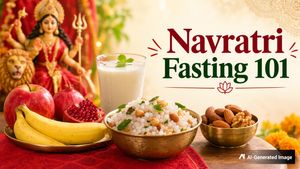 Navratri Fasting 101: What To Eat, What To Skip, And How To Avoid Acidity And Headaches
 -
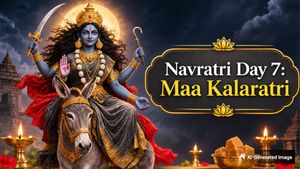 Navratri Day 7: Maa Kalaratri Puja, Colour, Rituals And Significance
 -
 Office To Dandiya Nights: One Quick-Change Outfit Formula For Navratri 2026
 -
 As ‘Ranabaali’ Hits Theatres, A Look At Rashmika Mandanna’s ₹1.31 Lakh Ivory Saree For Pre-Release Promotions
 -
 Durga Puja Pandals Mumbai 2026: 7 Stunning Celebrations To Explore From Matunga To Juhu
 -
 World Spine Day 2026: Is Your Phone Habit Causing Neck Pain? What To Know About Tech Neck


Fear Of Old Age (The Guidelines of Vedanta V)


Develop Self-awareness
Vedanta reminds us again and again that our true identity is our ageless spiritual Self, the essence of being and the Consciousness of consciousness. This Self uses the body for gathering experiences. While the body, being material, undergoes change, the Self remains unchanged. Science has proved that human organs are interchangeable and replaceable.
The physical body is produced by the combination of gross elements and consists of flesh, blood, bone, and other substances. Dependent upon food for its existence, the body endures as long as it can assimilate nourishment. Non-existent before birth and after death, it lasts only for a short interval between birth and death. One continues to live even after particular parts of the body have been destroyed. The body is no more to us than what an automobile is to its owner.
The ignorant identify themselves with the body; the book-learned consider themselves a combination of body, mind and Self; but the enlightened see the Self as distinct from body and mind. By our identification with the body, we suffer its destiny—the sixfold change: birth, subsistence, growth, maturity, decline, and death. Vedanta urges us to overcome our identification with the body by heightening our Self-awareness through regulated practice of meditation on the Self.
Keep the Goal in View and Move Forward.
Practice of Self-awareness endows us with Self-Knowledge. Vedic sages tell us that life is a journey toward Self-Knowledge. That alone can guarantee freedom from all fear. Self-Knowledge is not our choice but our very destiny. There is no rest and no peace until we reach this goal. Through our pain and suffering, sorrow and disappointment, birth and death, we are journeying toward that knowledge of our Self. When our journey toward that Self is conscious and willing, we call it spiritual quest, and when unconscious, forced by circumstances, we call it evolution. When we deny this Self, we confront it as endless pain, suffering, old age and death. Self-Knowledge may be chimerical to those who are entranced by the glitter and gewgaws of the world; but for the seekers of Truth, Self-Knowledge is of supreme value, the greatest and the grandest achievement of life.
About the author
Swami Adiswarananda
Swami Adiswarananda, the Minister-in-charge of the Ramakrishna-Vivekananda Centre, New York, USA, is a senior monk of the Ramakrishna Order. He is a well-known thinker and contributes articles to various journals.
Chat With The Devotees Of Ramakrishna Paramahamsa

 Continue with Google

