




 Click it and Unblock the Notifications


Latest Updates
-
 Navratri 2026 Food Hopping In Delhi NCR: 7 Places To Explore For A Taste Of Festive Flavours
 -
 Why Casual Games Are Perfect for Quick Online Play
 -
 World Menopause Day 2026: Theme, Significance And What Research Reveals About Menopause In India
 -
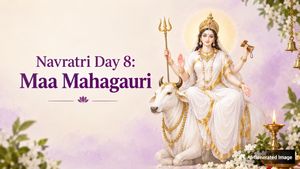 Navratri Day 8: Maa Mahagauri Puja, Colour, Rituals And Significance
 -
 Dussehra 2026: The Difference Between Vijayadashami And Ravana Dahan
 -
 Veteran Musician Deva Dies At 75: Life And Legacy Of Thenisai Thendral
 -
 Navratri Fasting Diet: How To Stay Energised And Full Through The Day
 -
 Kavya Maran Wedding In Greece? Date, Venue, and What Is Confirmed
 -
 Navratri Fasting 101: What To Eat, What To Skip, And How To Avoid Acidity And Headaches
 -
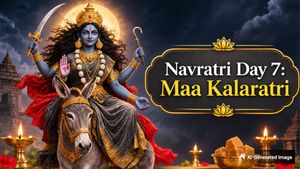 Navratri Day 7: Maa Kalaratri Puja, Colour, Rituals And Significance


Ganga Saptami 2026: Significance, Snan, Puja Timings And The Story Behind Ganga’s Return To Earth

Ganga Saptami is a day many people observe to seek a sense of cleansing and peace both for themselves and for their ancestors. It marks the reappearance of the Ganga on Earth and is considered spiritually important in Hindu tradition. If you're planning to observe it or simply want to understand what it means, here's a clear look at the date, timings, story, and significance of Ganga Saptami 2026.
Ganga Saptami 2026 Date And Tithi

- Date: 23 April 2026 (Thursday)
- Saptami Tithi begins: 22 April 2026 at 10:49 PM
- Saptami Tithi ends: 23 April 2026 at 8:49 PM
As per the Udaya Tithi (sunrise rule), the festival will be observed on 23 April 2026.
Muhurat Timings To Keep In Mind
Snan (holy bath) timing:
- Best time: 5:48 AM - 7:26 AM
- Brahma Muhurat: Around 4:20 AM - 5:04 AM
- Puja Muhurat:
- Madhyahna: 11:01 AM - 1:38 PM
The early morning hours are considered the most auspicious, especially for taking a dip in the Ganga or any clean water body.
What Is Ganga Saptami?
Ganga Saptami, also known as Ganga Jayanti, marks the reappearance of Goddess Ganga on Earth. It falls on the Vaishakh Shukla Saptami and is seen as a spiritually significant day in Hindu tradition. Unlike Ganga Dussehra, which marks her descent to Earth, this day focuses on her rebirth-her return after a dramatic interruption.
The Story Behind Ganga Saptami
The story begins with King Bhagirath, who performed intense penance to bring the river Ganga down from the heavens. His goal was deeply personal-to free his ancestors and help them attain moksha.
Ganga agreed to descend, but her force was so powerful that it could have destroyed the Earth. That's when Lord Shiva stepped in. He held her in his matted hair and released her gently, making her flow safe for the world.
But the journey didn't go smoothly. At one point, Sage Jahnu swallowed the river after being disturbed by her flow. On Bhagirath's request, he released her again.
This second emergence is why Ganga is also called Jahnavi, and it is this moment that Ganga Saptami celebrates.
Why Ganga Saptami Is Important
Ganga Saptami is closely tied to ideas of cleansing, karma, and ancestral connection.
Many believe that on this day:
- Sins can be washed away
- Ancestral imbalances, often referred to as Pitru Dosha, can be eased
- Rituals like tarpan and pind daan bring peace to departed souls
Beyond rituals, the meaning feels more personal. It's about starting fresh, letting go of emotional baggage, and reconnecting with a sense of inner clarity.
Ganga Saptami Rituals People Follow
The practices are simple and meaningful:
- Taking an early morning holy bath in the Ganga or any river
- Offering flowers, diyas, and incense to Maa Ganga
- Chanting mantras and performing Ganga Aarti
- Donating food, clothes, or water
- Performing tarpan for ancestors
If visiting a river isn't possible, even sprinkling Ganga jal at home is considered sacred.
Ganga Saptami Beliefs That Shape The Day
At the heart of Ganga Saptami is a belief most people have grown up hearing-Ganga has the power to purify. Water, in this context, is not just physical. It represents:
- Release
- Healing
- Renewal
For many, this becomes a day to think about and reflect-on family, on loss, and on what needs to be let go.
Closing Thought
This Ganga Saptami 2026, whether it's an early morning bath, a silent prayer, or simply remembering those who are no longer here, the essence stays the same-a chance to cleanse, reset, and move forward a little lighter.

 Continue with Google

