




 Click it and Unblock the Notifications


Latest Updates
-
 Eat, Celebrate, Repeat: 6 Ayurvedic Tips To Keep Your Digestion Happy This Navratri 2026
 -
 Breast Cancer Awareness Month 2026: Expert Explains The Emotional Toll Of Breast Cancer
 -
 Navratri 2026 Food Hopping In Delhi NCR: 7 Places To Explore For A Taste Of Festive Flavours
 -
 Why Casual Games Are Perfect for Quick Online Play
 -
 World Menopause Day 2026: Theme, Significance And What Research Reveals About Menopause In India
 -
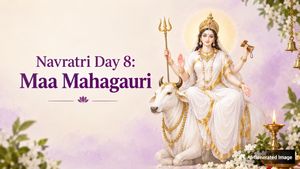 Navratri Day 8: Maa Mahagauri Puja, Colour, Rituals And Significance
 -
 Dussehra 2026: The Difference Between Vijayadashami And Ravana Dahan
 -
 Veteran Musician Deva Dies At 75: Life And Legacy Of Thenisai Thendral
 -
 Navratri Fasting Diet: How To Stay Energised And Full Through The Day
 -
 Kavya Maran Wedding In Greece? Date, Venue, and What Is Confirmed


Pongal 2026: What The Four Days Of The Festival Reveal About Food, Work And Gratitude

You feel it in freshly washed courtyards, the smell of boiling milk, sugarcane stacked in corners, and kolams appearing at dawn. For many households, Pongal isn't something to observe, it's something you do. Cook, clean, gather, thank, and celebrate.

In 2026, Pongal falls across four days in mid-January, each with its own significance and meaning. Together, they tell a larger story about gratitude, work, nature, and community - one that still feels relevant, whether you live in a village or a high-rise. Here's a day-by-day look at Pongal 2026, what happens on each day, and why it matters.
Pongal 2026 Dates At A Glance
Pongal 2026 will be celebrated from 14 January to 17 January.
- Bhogi Pongal: Wednesday, 14 January 2026
- Thai Pongal (Surya Pongal): Thursday, 15 January 2026
- Mattu Pongal: Friday, 16 January 2026
- Kaanum Pongal: Saturday, 17 January 2026
These dates follow the Tamil solar calendar and align with the Sun's transition into Capricorn, which also places Pongal alongside Makar Sankranti.
Bhogi Pongal: Letting Go To Begin Again
Bhogi marks the opening of Pongal and sets the tone for the days ahead. It's the day when homes are scrubbed clean, cupboards are cleared, and unused items are finally let go of. In many places, old wooden belongings are burned in a small bonfire early in the morning.
This isn't just about cleaning the house. Bhogi is about clearing space - physically and mentally before welcoming a new agricultural cycle. Traditionally associated with Lord Indra, the deity of rain, the day reflects hope for good weather and fertile fields. Fresh kolams appear at entrances, signalling readiness for what's to come.
Thai Pongal: Gratitude To The Sun
Thai Pongal is the heart of the festival. This is the day most people simply refer to as "Pongal." Early in the morning, rice and milk are cooked together in a decorated clay pot, often outdoors, facing the rising sun. When the pot overflows, voices rise with a familiar call - "Pongalo Pongal!" celebrating abundance and growth.
The dish, made with jaggery, ghee, and nuts, is first offered to Surya, the Sun God, before being shared with family. Sugarcane, banana leaves, flowers, and turmeric all play their part in the ritual. Thai Pongal is a way of saying thank you for light, warmth, food, and continuity.
Mattu Pongal: Respect For Cattle
Agriculture doesn't function without animals, and Mattu Pongal makes that truth visible.
On this day, cows and bulls are bathed, decorated, fed special meals, and worshipped. Their horns may be painted, bells tied around their necks, and flowers placed gently on their backs. Farmers acknowledge the labour animals put in throughout the year - ploughing fields, pulling loads, sustaining livelihoods.
In several rural regions, celebrations extend into community events and traditional sports, including Jallikattu, where it is culturally practised. Mattu Pongal reminds us that farming is a shared effort between humans, animals, land, and seasons.
Kaanum Pongal: Time For People
After rituals and offerings, Kaanum Pongal turns attention to relationships. Families visit relatives, meet neighbours, go on short outings, or gather near rivers, beaches, and public spaces. Food is shared again, sometimes leftovers from earlier days and conversations stretch without urgency. In some traditions, sisters pray for their brothers' wellbeing. In others, communities organise informal get-togethers and cultural programmes. Kaanum Pongal is about connection - checking in, showing up, and being together.
The Significance Of Pongal
At its core, Pongal is about recognising effort - the farmer's work, the animal's role, nature's cycles, and the support of family and community. It aligns with the Sun's northward journey, marking longer days and renewed energy.
Even outside farming communities, the themes hold relevance. Cleaning before starting fresh, acknowledging what sustains us, and making time for people, these ideas travel easily across lifestyles.
On Pongal, simple acts repeated year after year - boiling rice, drawing kolams, feeding cattle, visiting loved ones form a festival that reminds us that progress doesn't always come from adding more. Sometimes, it begins by giving thanks, and carrying forward what truly supports us.

 Continue with Google

