




 Click it and Unblock the Notifications


Latest Updates
-
 Govt Warns Against Overusing Antibiotics And Painkillers: No Prescription, No Pills
 -
 72nd National Film Awards: Yami Gautam's Message For Outsiders, Mammootty And Dhanush Honoured
 -
 Ayurveda Day 2026: An Expert Explains 7 Food Habits Ayurveda Would Ask You To Rethink
 -
 Stop Blaming the Monsoon Entirely for Your Hair Fall, Says This Dermatologist
 -
 Shakira Debuts a New Gaurav Gupta Breastplate, and This Time It's Gold and Banarasi
 -
 Can Hair Oils Prevent Premature Graying or Improve New Hair Growth?
 -
 Can Any Blood Group Donate Organs to Any Patient? A Transplant Expert Explains
 -
 Everyone's Talking About Rahane's Igatpuri Home. Here's Why The Town Itself Is Worth The Trip
 -
 You Don't Need Surgery for Every Sinus Problem: When Is FESS Actually Necessary?
 -
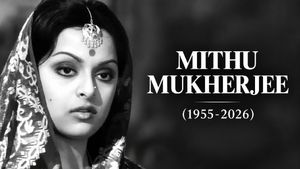 Who Was Mithu Mukherjee? Veteran Bengali Actress Passes Away At 71


Navratri 2025: Who Are The Forgotten Goddesses Of India Revered In Silence?

When Navratri arrives, most of us instantly think of Goddess Durga and her nine powerful forms-Shailaputri, Brahmacharini, Chandraghanta, and others. We decorate our homes, perform rituals, and celebrate her victory over Mahishasura with joy and devotion.
But beyond these familiar names lies a deeper spiritual tapestry-forgotten goddesses who once held an important place in India's cultural and religious traditions. Their stories are not often sung in mainstream celebrations, yet they represent unique aspects of feminine power, protection, and creation.

In 2025, Navratri will be celebrated from 22 September to 02 October. As we prepare to celebrate Navratri, perhaps it is also the right time to remember these silent goddesses-those who are not in the limelight but whose presence still whispers through India's myths, folklore, and rituals.
1. Goddess Renuka: Mother of Devotion
Goddess Renuka, mother of Sage Parashurama, is revered in regions like Maharashtra, Andhra Pradesh, and Karnataka. She symbolises purity, devotion, and strength, but her story often gets overshadowed by more mainstream goddesses. Her worship during local jatras keeps alive the reminder that true devotion lies in sacrifice and humility.
2. Goddess Vindhyavasini: Guardian of the Mountains
While Durga's forms dominate Navratri worship, Goddess Vindhyavasini is equally powerful. Residing in the Vindhya mountains, she is believed to protect her devotees fiercely, especially women and children. In folklore, she is the one who tricked demons to save the world, yet her story rarely features in modern retellings.

3. Goddess Matangi: Tantric Wisdom Keeper
Part of the Mahavidyas, Goddess Matangi is worshipped as the goddess of inner wisdom, music, and speech. She represents the outcast, the unconventional, and the divine power that resides in the margins. In today's world, her forgotten presence reminds us that wisdom does not always come from mainstream voices-it can emerge from those we often overlook.
4. Goddess Ekvira: Tribal Mother Goddess
Revered by fisherfolk and tribal communities, Goddess Ekvira is especially worshipped near Karla caves in Maharashtra. She represents protection, fertility, and strength of the common people. While temples of Durga shine in cities during Navratri, Ekvira quietly blesses those who invoke her at rural shrines, showing us that divine grace is not bound by social status.
5. Goddess Pratyangira: Fierce Lion-Headed Goddess
Goddess Pratyangira is a terrifying yet protective form, often depicted with a lion's head and a human body. She represents ultimate destruction of negative forces and is believed to counter black magic and evil energies. Though immensely powerful, her worship remains confined to tantric rituals and is often overshadowed by mainstream deities during Navratri.
6. Goddess Lajjagauri: Symbol of Fertility
Goddess Lajjagauri is one of the most ancient forms of the feminine divine, represented in unique headless fertility idols across India. She symbolizes creation, abundance, and motherhood. Despite her importance in folk and ancient traditions, she has slowly faded into silence in urban worship practices.
7. Goddess Chinnamasta: Fearless Self-Sacrificer
Chinnamasta, another form of the Mahavidyas, is both awe-inspiring and frightening. Depicted as self-decapitated, she drinks her own blood, symbolizing the cycle of life, death, and renewal. While mainstream Navratri focuses on Durga's victory, Chinnamasta reminds us of courage, sacrifice, and the ultimate truth of impermanence.
Navratri is not just about celebrating what we know, it is also about rediscovering what we may have forgotten. These goddesses, revered in silence, represent the vastness of India's spiritual imagination. Each of them holds a mirror to different aspects of life-fertility, devotion, wisdom, protection, and sacrifice.
As the drums beat and lamps glow, let's remember that Durga is not just nine forms. She is infinite, and within that infinity dwell countless divine mothers, waiting for us to call their names again.

 Continue with Google

