




 Click it and Unblock the Notifications


Latest Updates
-
 Stop Blaming the Monsoon Entirely for Your Hair Fall, Says This Dermatologist
 -
 Shakira Debuts a New Gaurav Gupta Breastplate, and This Time It's Gold and Banarasi
 -
 Can Hair Oils Prevent Premature Graying or Improve New Hair Growth?
 -
 Can Any Blood Group Donate Organs to Any Patient? A Transplant Expert Explains
 -
 Everyone's Talking About Rahane's Igatpuri Home. Here's Why The Town Itself Is Worth The Trip
 -
 You Don't Need Surgery for Every Sinus Problem: When Is FESS Actually Necessary?
 -
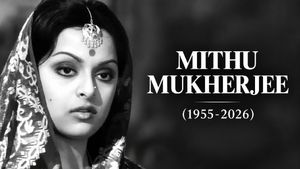 Who Was Mithu Mukherjee? Veteran Bengali Actress Passes Away At 71
 -
 Ahmedabad Police Flag Fraud Risk Behind Viral 'Rent A Garba Partner' Ads
 -
 Vidya Balan’s Jailer 2 Entry As Kantha: From Silk To Manjulika, A Look At Her Unconventional Roles
 -
 Samay Raina Has Now Denied Dating Rumours With Two Women In Three Months


Navratri 2025 Day 4: Goddess Kushmanda Puja Muhurat, Bhog, Mantras, And Rituals

Navratri is not just a festival-it's an emotional journey of devotion, faith, and inner transformation. Each day, we honor a different form of Goddess Durga, and on Day 4 of Navratri, September 25, 2025, devotees worship Maa Kushmanda, the radiant Goddess believed to be the creator of the universe through her divine smile.
Known as the "Adi Swaroop of Shakti", she is often depicted with eight or ten hands, holding weapons, rosary, and a pot of nectar, symbolising life and abundance. Her worship is said to remove darkness, grant health, and bring prosperity into the lives of devotees.

On this day, families across India wake up early, observe fasts, decorate altars with flowers and lamps, and offer special bhog to Maa Kushmanda. The energy of her worship fills hearts with positivity and reminds us of the power of creation that lies within devotion.
Navratri 2025 Day 4: Puja Muhurat
On September 25, 2025, devotees can perform puja during the following auspicious timings:
Brahma Muhurat: 4:54 AM to 5:41 AM
Abhijit Muhurat: 12:08 PM to 12:56 PM
Sayahna Sandhya Muhurat: 6:35 PM to 7:46 PM
These sacred windows of time are believed to magnify the blessings of Maa Kushmanda when worship is performed with devotion and sincerity.
Navratri 2025 Day 4: Iconography Of Goddess Kushmanda
Maa Kushmanda is often described as the radiant sun of Navratri. Her name means "the one who created the universe with her smile." She is represented with a golden aura, seated on a lion, holding a discus, bow, arrow, lotus, and a pot filled with amrita.
Each symbol reflects her power to sustain life and protect devotees. Her lion signifies courage, while her radiant glow represents energy and positivity.
Worshipping her on this day is believed to cure illnesses, drive away negativity, and infuse homes with divine vitality.
Navratri 2025 Day 4: Bhog Offered To Goddess Kushmanda
Devotees prepare Malpua, a sweet delicacy, as the bhog for Maa Kushmanda. It is offered with utmost devotion and later distributed as prasad among family and community members.
Some families also prepare fruits, halwa, or kheer depending on tradition, but Malpua remains the most sacred offering. The belief is that Maa Kushmanda blesses her devotees with good health and removes physical ailments through this offering.
Navratri 2025 Day 4: Mantras To Chant
Chanting mantras while performing the puja brings immense spiritual strength. The most popular mantra dedicated to her is:
"Om Devi Kushmandayai Namah"
Devotees also recite Durga Saptashati and Kushmanda Stotra to connect deeply with her energy. Repeated chanting is believed to remove fear, uplift the spirit, and guide devotees towards wisdom and prosperity.
Navratri 2025 Day 4: Rituals And Traditions
On this day, devotees wake up early, take a holy bath, and wear clean, often yellow colored clothes, which are considered auspicious for worshipping Maa Kushmanda.
The altar is decorated with marigolds, diyas, and incense sticks. After invoking the Goddess with mantras, offerings of Malpua, fruits, and flowers are made. Many people also observe fasts, consuming only satvik food, while spending the day in meditation, chanting, and singing devotional songs.
Visiting temples dedicated to Goddess Durga is also common, where large-scale pujas and bhajans are held. The entire atmosphere radiates with energy, symbolizing the cosmic light that Maa Kushmanda represents.
As families gather to honor her, the atmosphere fills with light, joy, and hope for a brighter tomorrow.

 Continue with Google

