




 Click it and Unblock the Notifications


Latest Updates
-
 Jitiya Vrat 2026: Why Mothers Observe The Nirjala Fast, Paran Timings And Rituals Explained
 -
 Drishyam: The Conclusion — Everything You Need To Remember Before Watching The New Film
 -
 Jantar Mantar Protest On Gandhi Jayanti 2026: Why This Delhi Landmark Is A Hub For Public Demonstrations
 -
 World Smile Day 2026: 5 Ways Smiling May Benefit Your Health And Support Everyday Wellbeing
 -
 Lal Bahadur Shastri Jayanti 2026: 10 Quotes That Reflect His Ideas On Leadership, Peace And Nation-Building
 -
 Gandhi Jayanti 2026: 10 Places In India Where You Can Experience Mahatma Gandhi’s Legacy
 -
 International Day Of Non-Violence 2026: Why Was Gandhiji's Birthday Chosen For A Global Message Of Peace?
 -
 Saptami Shraddha 2026: Who Should Perform It And What Does This Pitru Paksha Ritual Mean?
 -
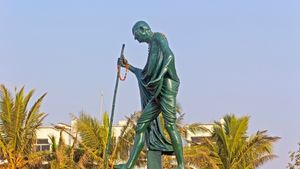 Gandhi Jayanti 2026: 7 Sustainable Lifestyle Lessons We Can Still Learn From Gandhi
 -
 Who Is Captain Smit Machchhar? The Pilot Who Fought Back Mid-Air on Flydubai FZ1073


Mahalakshmi Vrat 2026: What To Know About Today’s Udyapan, Rituals And Significance

Mahalakshmi Vrat 2026 concludes today, October 3, after an observance that began on September 19. Dedicated to Goddess Lakshmi, the vrat is traditionally observed for 16 tithis, with devotees praying for prosperity, household wellbeing and abundance. This year, the observance spans 15 calendar fasting days because of the way the lunar tithis fall. The final day is marked by udyapan, or the concluding rituals of the vrat.
Mahalakshmi Vrat 2026: Why Is The Vrat Ending Today?
Mahalakshmi Vrat begins on Bhadrapada Shukla Ashtami and concludes on Ashwin Krishna Ashtami according to the North Indian Purnimanta calendar. Although it is commonly called a 16-day vrat, the 2026 calendar has 15 actual fasting dates because two tithis fall within the same calendar date.

October 3 marks the conclusion of the observance. The exact tithi timings vary by location, so devotees are advised to follow their local panchang for specific puja timings.
What Is Mahalakshmi Vrat Udyapan?
Udyapan refers to the concluding observance performed after completing a vrat. On the final day, devotees traditionally perform Mahalakshmi puja and offer prayers and bhog before formally concluding the fast.
Common practices include cleaning the puja space, worshipping Goddess Lakshmi with flowers, kumkum and akshata, and offering fruits and sweets. Some traditions also include prayers such as Shri Suktam or Mahalakshmi Ashtakam.
What Happens To The 16-Knotted Dora?
The 16-knotted sacred thread, or dora, is one of the distinctive traditions associated with Mahalakshmi Vrat. The thread is prepared with 16 knots and kept as part of the worship during the vrat. Practices concerning the thread at the end of the observance differ between families and regions.
Some traditions also include lighting 16 lamps or honouring 16 married women or girls with food, gifts or dakshina as part of the concluding rituals. These customs are not identical across all communities.
Kalash Ritual And Significance
Kalash worship is another traditional element of Mahalakshmi Vrat. A decorated kalash may be worshipped during the observance, with its concluding ritual or visarjan performed according to family tradition.
The vrat is associated with devotion to Goddess Lakshmi and prayers for prosperity, abundance and household wellbeing. The concluding puja gives devotees an opportunity to formally complete the observance and express gratitude for the blessings they seek.
As Mahalakshmi Vrat 2026 comes to an end today, October 3, the focus shifts from the period of fasting to its concluding worship. While the exact udyapan customs may differ by region and family, the central tradition remains the same: completing the vrat with devotion and prayers to Goddess Lakshmi.

 Continue with Google

