




 Click it and Unblock the Notifications


Latest Updates
-
 Barbara Palvin In Victoria’s Secret Fashion Show Six Weeks After Birth
 -
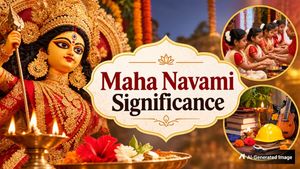 Maha Navami Significance: Why The Ninth Day Of Navratri Matters Most
 -
 Festive FOMO Is Changing Dating Habits, Survey Finds Nearly Half Of Singles Are Delaying Matches
 -
 Tiger Shroff Firing Incident: What Happened In Mumbai's Juhu? Latest Updates
 -
 Eat, Celebrate, Repeat: 6 Ayurvedic Tips To Keep Your Digestion Happy This Navratri 2026
 -
 Breast Cancer Awareness Month 2026: Expert Explains The Emotional Toll Of Breast Cancer
 -
 Navratri 2026 Food Hopping In Delhi NCR: 7 Places To Explore For A Taste Of Festive Flavours
 -
 Why Casual Games Are Perfect for Quick Online Play
 -
 World Menopause Day 2026: Theme, Significance And What Research Reveals About Menopause In India
 -
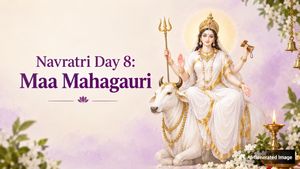 Navratri Day 8: Maa Mahagauri Puja, Colour, Rituals And Significance


Magh Gupt Navratri 2026: Significance, Rituals, Kalash Sthapana Muhurat And Its Silent Spiritual Observance

Magh Gupt Navratri begins on January 19, 2026, and runs until January 27, 2026. Unlike the Navratris most people associate with crowds, music, and large-scale rituals, this one moves in the opposite direction. It's observed quietly, often privately, and with a sharper focus on inner discipline rather than outward celebration. If Sharadiya Navratri is about collective devotion, Magh Gupt Navratri is about personal practice. Many people don't announce they're observing it at all. That's the point.

What Is Magh Gupt Navratri?
Magh Gupt Navratri is one of the four Navratris mentioned in the Hindu calendar. It falls during the Shukla Paksha of the Magh month and is called "Gupt" because the worship is traditionally done away from public attention.
This Navratri is closely associated with Shakti sadhana, especially practices linked to discipline, mantra chanting, and focused devotion. While anyone can observe it, it holds special significance for people engaged in spiritual study, meditation, or guided sadhana.
Magh Gupt Navratri 2026: Important Dates
- Start: Monday, January 19, 2026 (Pratipada)
- End: Tuesday, January 27, 2026 (Navami)
Most Panchangs agree on these nine days, though some regional calendars may note slight variations due to tithi overlaps.
Ghatasthapana Muhurat On January 19, 2026
The formal beginning of Magh Gupt Navratri is marked by Ghatasthapana (Kalash Sthapana).
- Primary Muhurat: 7:14 AM to 10:46 AM
- Abhijit Muhurat: 12:11 PM to 12:53 PM
This is when devotees invoke the energy of Goddess Durga and formally begin the nine-day observance.
Why This Navratri Is Spiritually Significant
Magh Gupt Navratri is linked to the worship of the Ten Mahavidyas, the deeper and more complex expressions of Shakti. These forms are associated with knowledge, transformation, protection, and inner strength.
The belief is simple: when the noise is low and intent is steady, spiritual focus becomes sharper. That's why this period is considered especially powerful for:
- Mantra sadhana
- Meditation
- Inner cleansing
- Seeking clarity or direction
There's less emphasis on rituals performed for others to see and more attention on consistency and discipline.
Common Rituals And Daily Practices
People observing Magh Gupt Navratri usually follow a structured routine, adjusted to their capacity and guidance.
- Morning purification bath
- Lighting a ghee lamp at home
- Daily mantra or stotra recitation (such as Durga Saptashati)
- Meditation or silent prayer
- Maintaining a calm, restrained routine
Unlike other Navratris, large community events or celebrations are uncommon.
Fasting Rules And Food Discipline
Fasting during Magh Gupt Navratri varies from person to person.
Some observe:
- A complete fast
- One meal a day
- Sattvic meals only
- Common restrictions include avoiding:
- Non-vegetarian food
- Alcohol
- Onion and garlic
The focus isn't punishment through restriction but mental clarity through simplicity.
How Magh Gupt Navratri Differs From Other Navratris
This Navratri doesn't centre on garba, decorations, or large gatherings. It's meant to be low-key and inward-looking. The worship is personal, often guided by a guru or individual spiritual understanding, and doesn't require public expression. That's why many people observe it without posting about it, discussing it, or even explaining it.
Who Usually Observes Magh Gupt Navratri?
- Spiritual practitioners
- People following mantra or meditation disciplines
- Devotees seeking focus, protection, or emotional grounding
- Anyone drawn to quieter forms of devotion
There's no requirement to follow complex rituals. Intention matters more than scale.
Magh Gupt Navratri 2026 isn't about doing more. It's about doing less, but doing it with focus. For nine days, the emphasis shifts inward-towards discipline, reflection, and steady devotion without distraction. A small lamp, consistent practice, and sincerity are enough to observe it.

 Continue with Google

