




 Click it and Unblock the Notifications


Latest Updates
-
 Barbara Palvin In Victoria’s Secret Fashion Show Six Weeks After Birth
 -
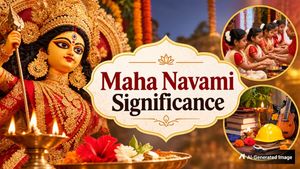 Maha Navami Significance: Why The Ninth Day Of Navratri Matters Most
 -
 Festive FOMO Is Changing Dating Habits, Survey Finds Nearly Half Of Singles Are Delaying Matches
 -
 Tiger Shroff Firing Incident: What Happened In Mumbai's Juhu? Latest Updates
 -
 Eat, Celebrate, Repeat: 6 Ayurvedic Tips To Keep Your Digestion Happy This Navratri 2026
 -
 Breast Cancer Awareness Month 2026: Expert Explains The Emotional Toll Of Breast Cancer
 -
 Navratri 2026 Food Hopping In Delhi NCR: 7 Places To Explore For A Taste Of Festive Flavours
 -
 Why Casual Games Are Perfect for Quick Online Play
 -
 World Menopause Day 2026: Theme, Significance And What Research Reveals About Menopause In India
 -
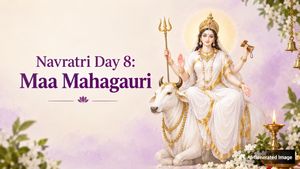 Navratri Day 8: Maa Mahagauri Puja, Colour, Rituals And Significance


Kajari Teej 2025: How One Festival Speaks Many Languages Across North India

Kajari Teej or Badi Teej, as its known is a deeply personal and cultural moment, especially for married women across North India. Falling on the third day of the dark fortnight of the Bhadrapada month (on August 12th, 2025), it comes roughly 15 days after Hariyali Teej.
But while the devotion to Goddess Parvati remains central everywhere, how people mark this day differs dramatically between Uttar Pradesh, Madhya Pradesh, and Bihar. Each region adds its own colour, sound, and rhythm-literally.
UP & Bihar: Neem Trees, Nirjala Fasts, And Longing Songs
In Uttar Pradesh and Bihar, Kajari Teej is both a spiritual fast and a social event. Married women observe a nirjala vrat, a strict fast without food or water, praying for their husband's well-being and family prosperity. But this isn't a day of silence. It's a day filled with the haunting melodies of Kajri folk songs, often sung the night before the fast begins. These songs, filled with yearning, are usually sung to the beat of a dholak, especially in the Bhojpuri region, where women often stay up all night in community gatherings.

The Neem tree plays a significant role here. Women offer prayers under its branches, creating a ritual space with rangoli, sindoor, haldi, lamps, and flowers. It's not uncommon to see households come alive with women singing, swinging on jhulas, and bonding through shared devotion.
Madhya Pradesh: Folk Rhythms In The Fields
In Madhya Pradesh particularly in Bundelkhand and Baghelkhand, the rituals shift from the personal to the communal. Kajari Teej here is less about solitary fasting and more about group dances and local folk songs.

Villages and small towns come alive with semi-urban processions, where women gather in community spaces, dress in traditional attire, and sing songs that are passed down through generations. Swings are put up, yes but here, they are usually surrounded by dance, celebration, and collective memory.
Rajasthan: Ghevar, Feni, And Processions
While Rajasthan is more known for Hariyali Teej, Kajari Teej or Badi Teej is still observed, especially in parts closer to the UP and MP borders.
Swings are decorated with mango leaves and flowers. The evening meal (after breaking the fast) features sweets like ghevar and feni. Some towns also host processions of Teej Mata, accompanied by folk performers and devotional music.

It's a different mood-less intense than the fasting rituals of UP and Bihar, but just as deeply woven into local traditions.
What Stays The Same: The Devotion Behind the Diversity
Despite the regional differences, a few core elements unite all Kajari Teej celebrations:
- Fasting-typically nirjala, observed from sunrise to moonrise
- Moon worship in the evening
- Songs and swings, both symbols of monsoon's arrival and marital bliss
- Worship of Goddess Parvati, whose love and perseverance inspire women across generations
Whether it's under a neem tree in a Bhojpuri village or in a community dance in rural MP, the emotional thread is unmistakable, a woman's strength cloaked in tradition, her devotion expressed through music and ritual.
One Festival, Many Voices
Kajari Teej may look different from district to district, but its heart remains the same. It's about women finding strength in each other, in ritual, and in stories that have travelled through time.
What you hear in a Kajri song is not just devotion it's also history, longing, laughter, and resilience. That's why this festival continues to thrive-not because it's uniform, but because it's deeply, beautifully personal.

 Continue with Google

