



 Click it and Unblock the Notifications



Latest Updates
-
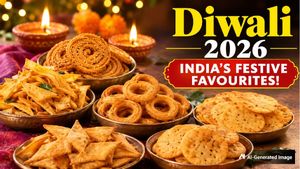 Diwali 2026: Chakli To Nimki, 7 Regional Savoury Snacks That Bring Traditional Indian Flavours To Your Table
-
 Filmmaker Sanjay Gupta Passes Away At 57: ‘Aatish’ To ‘Kaabil’, Look At His Three-Decade Bollywood Journey
-
 Halloween 2026: From Chudail To Yakshi, 5 Mysterious Supernatural Beings That Haunt Indian Folklore
-
 Rashtriya Ekta Diwas 2026: Significance, History And Sardar Vallabhbhai Patel's Role In Uniting India
-
 Survey Finds 68% Of Previously Married Singles Hesitate To Match With Never-Married Partners
-
 Diwali 2026: Complete Five-Day Festival Calendar, Dates, Significance And Celebrations
-
 Weight, Alcohol, Hormones: Pathologist Shares Insights On What Really Shapes A Woman’s Breast Cancer Risk
-
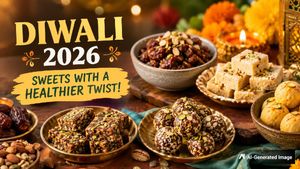 Diwali 2026: 5 Healthy Homemade Indian Sweets That Go Beyond Traditional Mithai
-
 Stroke In Young Women: Neurologist Explains Warning Signs And Hormonal Risk Factors
-
 ‘Star Trek’ And ‘X-Men’ Actor Patrick Stewart Passes Away At 86 After Dementia Battle


Janmashtami 2026 Divine Bhog Recipe: How To Make Panchamrit, The Sacred Drink Loved By Lord Krishna

Janmashtami, the birth anniversary of Lord Krishna, is celebrated with great devotion, joy, and elaborate offerings (bhog) to the deity. Among the many prasads prepared for Krishna, Panchamrit holds a special place. This sacred mixture is not just a food offering-it carries deep spiritual symbolism, ancient traditions, and a sweet connection to Krishna's own childhood.

The Meaning Of Panchamrit
The word Panchamrit comes from Sanskrit: Pancha meaning "five" and Amrit meaning "nectar" or "immortalizing drink." As the name suggests, it is made from five pure and sattvic ingredients-milk, curd, honey, sugar, and ghee.
Each ingredient has a symbolic meaning in Hindu rituals:
- Milk - Symbol of purity and nourishment.
- Curd (Yogurt) - Represents prosperity and happiness.
- Honey - Sign of unity, as it's made from the effort of many bees.
- Sugar - Represents sweetness in life.
- Ghee - Symbol of strength and victory of goodness.

The Story Behind Panchamrit As Krishna's Favourite Bhog
Krishna's love for dairy products is well known through countless stories from his childhood in Gokul and Vrindavan. Known as Makhan Chor (butter thief), young Krishna often sneaked into houses to steal butter, curd, and milk. Panchamrit, being a delightful combination of milk, curd, and other sweet elements, is believed to have been one of his cherished treats.
According to legend, Yashoda Maiya and the Gopis would prepare Panchamrit as part of their offerings to Krishna during special pujas. It was both a nourishing drink for a growing child and a divine bhog to the beloved Lord. Over time, Panchamrit became a ritualistic offering not only on Janmashtami but also in many Hindu ceremonies, including Abhishek (ritual bathing) of deities.
Spiritual Significance In Janmashtami
On Janmashtami, devotees perform Krishna Abhishek with Panchamrit before offering it as prasad. The belief is that the five ingredients represent the five elements (Pancha Tatva)-earth, water, fire, air, and space-offered back to the divine source. It also reflects the union of health, prosperity, love, sweetness, and strength in life.
Traditional Panchamrit Recipe For Janmashtami
Ingredients (Serves 4-5)
- Milk - 1 cup (preferably cow's milk)
- Curd - ½ cup (fresh, not sour)
- Honey - 2 tbsp
- Sugar (Mishri or powdered) - 2 tbsp
- Ghee - 1 tsp (pure cow ghee)
Optional Add-ons
- Chopped dry fruits (almonds, cashews, pistachios)
- A pinch of cardamom powder
- Tulsi leaves (holy basil)
Method
- Take a clean, silver or glass bowl (avoid metal like iron).
- Pour the milk and curd into the bowl and mix gently.
- Add honey, sugar, and ghee. Stir slowly in a clockwise direction.
- Optional - add cardamom powder and chopped dry fruits for enhanced flavour.
- Garnish with Tulsi leaves before offering to Lord Krishna.
Tip: Panchamrit should always be prepared fresh, in a pure and clean space, and handled with devotion, as it's both an offering and a sacred drink.
Interesting Facts About Panchamrit
- Panchamrit is also used in temple rituals across India for deity bathing, especially in Shiva, Vishnu, and Krishna temples.
- In Ayurveda, Panchamrit is considered a rasayana-a rejuvenating drink that boosts immunity, digestion, and mental health.
- Each ingredient balances different doshas in the body, making it a wholesome drink for all ages.
Panchamrit is a symbolic bridge between devotion, nature, and nourishment. On Janmashtami, preparing and offering this sacred nectar is not just about following custom, but about participating in a centuries-old expression of love for Lord Krishna. Its ingredients unite purity, prosperity, health, and joy, making it a timeless part of festive celebrations.

 Continue with Google


