




 Click it and Unblock the Notifications


Latest Updates
-
 Kavya Maran Wedding In Greece? Date, Venue, and What Is Confirmed
 -
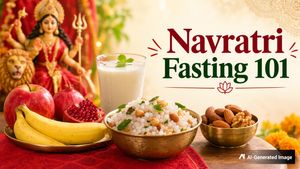 Navratri Fasting 101: What To Eat, What To Skip, And How To Avoid Acidity And Headaches
 -
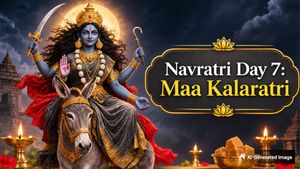 Navratri Day 7: Maa Kalaratri Puja, Colour, Rituals And Significance
 -
 Office To Dandiya Nights: One Quick-Change Outfit Formula For Navratri 2026
 -
 As ‘Ranabaali’ Hits Theatres, A Look At Rashmika Mandanna’s ₹1.31 Lakh Ivory Saree For Pre-Release Promotions
 -
 Durga Puja Pandals Mumbai 2026: 7 Stunning Celebrations To Explore From Matunga To Juhu
 -
 World Spine Day 2026: Is Your Phone Habit Causing Neck Pain? What To Know About Tech Neck
 -
 Breast Cancer Awareness Month 2026: Expert Explains Why Family History Isn't the Only Risk
 -
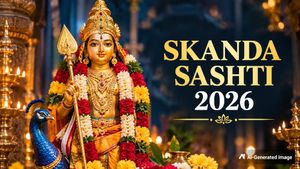 Skanda Sashti 2026: Significance, Vrat Rituals And How Devotees Observe The Day
 -
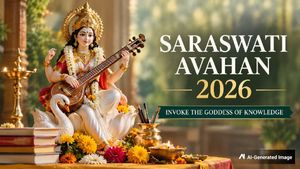 Saraswati Avahan 2026: Significance, Shubh Muhurat, Rituals And Puja Vidhi


The Mystical Foods Of Maha Kumbh Mela 2025 : Decoding The Diet Of Naga Sadhus

The Maha Kumbh, held every 12 years, is the largest spiritual gathering on Earth, drawing millions of pilgrims to bathe in sacred rivers. Among the participants are the enigmatic Naga Sadhus, ascetics who have renounced material life in pursuit of spiritual enlightenment.

This monumental event offers a rare opportunity to witness their disciplined lifestyles, steeped in simplicity and detachment. One fascinating aspect of their existence is their unique dietary practices, where food is not merely sustenance but a symbolic expression of their spiritual beliefs.
A Sacred Lexicon For Food
The Naga Sadhus have developed a distinct vocabulary for their food, reflecting their deep connection to spirituality and their rejection of worldly pleasures. Wheat flour, a dietary staple, is called "Bhasmi," meaning ash. This term signifies their belief in life's ephemeral nature, and they use it to prepare flatbreads, a simple yet fulfilling meal. Lentils, an important source of protein, are referred to as "Paniyaram," a name that aligns with their austere approach to nourishment.
Embedding Spirituality In Ingredients
Salt, an essential in every kitchen, takes on a divine significance in their vocabulary. Known as "Ramras," it connects this everyday ingredient to Lord Ram, reinforcing the spiritual essence of their meals. Green chillies, with their intense heat, are called "Lankaram," symbolising fiery strength and adding depth to their otherwise modest diet.
Even humble onions are given a playful title-"Ladduram." This term, while light-hearted, reflects the Sadhus' ability to find joy in simplicity. Garlic, another staple with numerous health benefits, is known as "Paatal Laung," a name that underscores its earthy origins and nourishing properties.
Balanced And Symbolic Nutrition
The Naga Sadhus' dietary practices balance simplicity with nutritional needs. Ghee, or clarified butter, is called "Pani," equating its life-sustaining qualities with water. Their flatbread, referred to as "Rotiram," forms the foundation of their meals, typically served with lentils and seasonal vegetables. This approach highlights their commitment to maintaining physical strength while adhering to their ascetic principles.
The Maha Kumbh : A Window Into Spiritual Heritage
Beyond its spiritual significance, the Maha Kumbh serves as a living testament to India's rich cultural and spiritual heritage. Observing the Naga Sadhus' unique dietary customs provides insight into their profound detachment from materialism and unwavering dedication to spiritual growth. Their lives reflect a harmonious blend of tradition, discipline, and a deep respect for nature.
The Maha Kumbh and the Naga Sadhus' way of life offer profound lessons for the modern world. In a time of increasing material pursuits, their symbolic approach to food and life reminds us of the beauty in simplicity and the importance of living with intention.

Through their ascetic practices, the Sadhus inspire a deeper appreciation for spiritual fulfilment over material indulgence. The Maha Kumbh, with its grandeur and timeless traditions, invites us all to pause, reflect, and reconnect with life's deeper meanings.

 Continue with Google

