




 Click it and Unblock the Notifications


Latest Updates
-
 Deepika Padukone And Ranveer Singh Announce Second Daughter’s Name On Dussehra, Share Family Photo
 -
 Who Was Karthik Sabesh? Tamil Actor Passes Away At 37, Days After Uncle And Composer Deva’s Death
 -
 Who Is Ravleen Varghese? Meet The First Malayali Model To Walk The Victoria’s Secret Runway
 -
 World Osteoporosis Day 2026: A Minor Fall, A Major Fracture — Doctor On Why Older Adults Should Be Careful
 -
 Durga Visarjan 2026: October 20 or 21? Know Shubh Muhurat, Rituals And Significance
 -
 Happy Dussehra 2026: 50+ Wishes, Messages And Greetings To Share With Family And Friends
 -
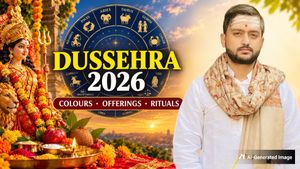 Dussehra 2026: Astrologer Ashutosh Clairvoyant On Colours, Offerings And Puja Rituals For Each Zodiac Sign
 -
 Hustle Culture Has a Bedroom Problem No One Talks About, Expert Explains
 -
 Iris Young Minds Initiative: How A Noida CSR Programme Is Opening Up Talk On Student Stress
 -
 Lal Hit Janta Party Explained: Who Is Behind The Rival to the Cockroach Janta Party


Rituals & Traditions Of Holi

The festival of colours, Holi, is celebrated with great zeal and enthusiasm throughout India. This festival brings people close to each other and becomes a reason to celebrate the colours of life. The festival fills the atmosphere with the hues of love, joy and brotherhood.

Apart from the fun-filled part of the festival, there are also a few rituals and traditions associated with it. Since rituals form the crucial part of any Indian festival, Holi is no exception. A few rituals of Holi are meticulously followed, especially in the Northern part of India which only adds more colours to this festival. These rituals and traditions of Holi reflect the eternal spirit of the festival. This year Holi will be observed on 21 March.

Holika Dahan
All of us know the story of the evil sister of the demon king Hiranyakashipu -Holika. On the pretext of punishing her nephew Prahlad, she herself got burnt to ashes. Since then the custom of Holika Dahan has been in tradition.
Days before the actual festival begins, people start gathering firewood for Holika Dahan. On the eve of Holi, the ritual of Holika Dahan is carried out. The ritual of Holika Dahan symbolises the victory of good over evil. As the fire burns brighter, people gather around the bonfire and sing songs. The embers of this holy fire are then carried home and people light fire in their houses with these embers.

Playing With Colours
Though there is no formal puja performed on the morning of Holi, Puja is offered to Lord Vishnu and sweets are offered to him and the family deities. Usually, people offer 'Abeer' or 'gulaal' at the feet of the deity of the house. After that, the youngsters are supposed to put gulaal on the feet of the elder members of the family and take their blessings (though this practice is not much popular these days). Only after that everyone starts playing with colours. People drench each other in various colours and make merry.

Matka Ceremony
In some parts of India, for example Mathura and Vrindavan, a ceremony called "Matki Phod" is organised on Holi. An earthen pot filled with milk is hung at an unreachable height and then the boys form a human pyramid to reach the pot and then break it. The women tease the boys by hitting the boys with a rope made out of sarees to prevent them from reaching the pot. They play with Holi colours and sing simultaneously.

The Sweet Festival
In the evening, after taking a bath and removing the colours, people visit each other's house with sweets. Traditional sweets like the Gujiya is served to the home deities and then offered to all the guests. Apart from the sweets, the special drink called Thandai is also served to the guests on Holi.
Thus, Holi brings people together and promotes love, harmony and brotherhood.

 Continue with Google

