




 Click it and Unblock the Notifications


Latest Updates
-
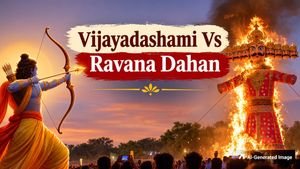 Dussehra 2026: The Difference Between Vijayadashami And Ravana Dahan
 -
 Veteran Musician Deva Dies At 75: Life And Legacy Of Thenisai Thendral
 -
 Navratri Fasting Diet: How To Stay Energised And Full Through The Day
 -
 Kavya Maran Wedding In Greece? Date, Venue, and What Is Confirmed
 -
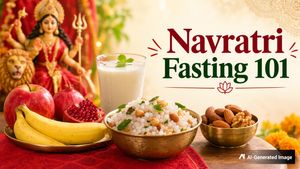 Navratri Fasting 101: What To Eat, What To Skip, And How To Avoid Acidity And Headaches
 -
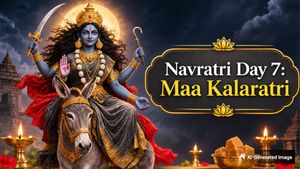 Navratri Day 7: Maa Kalaratri Puja, Colour, Rituals And Significance
 -
 Office To Dandiya Nights: One Quick-Change Outfit Formula For Navratri 2026
 -
 As ‘Ranabaali’ Hits Theatres, A Look At Rashmika Mandanna’s ₹1.31 Lakh Ivory Saree For Pre-Release Promotions
 -
 Durga Puja Pandals Mumbai 2026: 7 Stunning Celebrations To Explore From Matunga To Juhu
 -
 World Spine Day 2026: Is Your Phone Habit Causing Neck Pain? What To Know About Tech Neck


The Significance Of Janmashtami


Janmashtami Celebrations
Janmashtami falls on the 8th day of the dark half of the month of Bhadrapada (August-September) Lord Krishna was born in the midnight at the constellation of the star, Rohini. The midnight in which Lord Krishna was born is Janmashtami, Krishna Jayanti or Gokulashtami proceeded by the celebrations of his birth on the next day .
Prayer, continuous bhajans and a complete fast until the birth of Krishna is observed by devotees. It is also a general practice that the feet of baby Krishna is drawn from the entrance of the house to the Pooja room to indicate the arrival of the Lord. People wear new clothes, visit Lord Krishna temples for worship and distribute sweet meats.
Mathura, Vrindavan (Brindavan), Dwaraka, Udupi, Guruvayoor and the various temples dedicated to Krishna by ISKCON are some of the most important places where Janmashtami is observed very grandly.
Significance of Janmashtami
The birth of Lord Krishna and the rituals associated with it portray the symbolic significance of the highest truth. The prayers, bhajans and the fast are all the spiritual Sadhanas or the spiritual practises that aid in the purity of mind to attain the truth which is the Lord. They prepare one to be capable of realising the truth. Only a pure mind is capable of grasping the subtle truth which is the Lord in his formless self. A mind that is constantly turned outwards (towards the world) is gross owing to its continuous association with objects and forms. Such a mind is not suited to grasp the formless truth.
The drawing of Krishna's footprints from the entrance of the house to the Pooja room reminds us to turn the mind from the outward (endless worldly activities) and to take it inwards towards the shrine of one's true self or the heart which is none other than the Lord.
The observances on the day when Krishna is to be born in the midnight (Janmashtami), marks one's preparation with spiritual practises to receive the truth (the birth of Krishna)
Since the path to the Lord itself is beautiful for the one who knows what true devotion is, needless to say about the bliss on finding Him. Since Krishna is said to be of 'Anandaswarupa' (blissful form) finding Him alone is pure bliss.
The observances and rituals involve singing bhajans and dancing in devotion that simply portray the 'Ananda' that a devotee undergoes while on the path. Bliss envelops the heart at the sight of the little manifestation of the mighty Lord at the culmination of the observances that were steadfastly observed.
Thus Janmashtami serves as yet another reminder to seek the Lord or one's true self, the ultimate truth , which alone can bestow true bliss.
Let us worship Lord Krishna on Janmashtami understanding its implications and seek Him which alone would bring about unending bliss or enlightenment.

 Continue with Google


