




 Click it and Unblock the Notifications


Latest Updates
-
 Who Is Captain Smit Machchhar? The Pilot Who Fought Back Mid-Air on Flydubai FZ1073
 -
 Toys For Kidults And ToyTrends: Inside The Spielwarenmesse 2027 Preview
 -
 How Do You Tell Normal Stress From Something More Serious? Expert Explains
 -
 International Coffee Day 2026: 7 Ways To Make Your Morning Coffee Healthier Without Losing Taste
 -
 Why Do People with Diabetes Feel Hungry Even After Eating?
 -
 Throwback Thursday: Before The Headlines, Govinda Was Every 90s Kid’s Favourite Bollywood Entertainer
 -
 Why Monsoon Is Not The Time To Skip Childhood Vaccinations? Expert Weighs In
 -
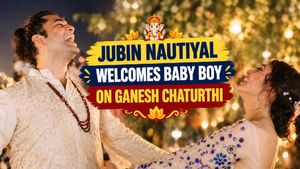 Jubin Nautiyal Becomes A Father: Singer Welcomes Baby Boy On Ganesh Chaturthi, Opens Up About Fatherhood
 -
 Kriti Sanon On Patriarchy And Women’s Safety: Why Are Women Conditioned To Police Themselves And Each Other?
 -
 Karan Johar Ends Koffee With Karan: Last Season Streams 14 Oct


Rituals & Traditions Of Pohela Boishakh

Pohela Boishakh is the new year celebration for the Bengalis. Pohela means first and Boishakh (Vaishakh) is the first month of the Hindu calendar. Thus, Pohela Boishakh marks the beginning of the Bengali new year.
The Bengali new year or Pohela Boishakh is celebrated at a grand scale in West Bengal, Tripura and Bangladesh. Interestingly, Pohela Boishakh coincides with the new year celebrations of other regions as well like Baisakhi, Vishu, Rongali Bihu, Puthandu etc. Pohela Boishakh also marks the beginning of the summer season.
SHORSHE ILISH: POHELA BOISHAKH TREAT
The celebrations of Pohela Boishakh commences at dawn when people take a early bath and visit temples for offering puja to the Gods and Goddesses. After that the whole day is celebrated by singing, dancing and of course the best delicacies on the plate. Wearing new clothes and distribution of mouthwatering sweets is a compulsory tradition of Pohela Boishakh.
Let us take a look at the other rituals and traditions of Pohela Boishakh.

Buying The Panjika
The most interesting part of the Pohela Boishakh traditions is the craze to buy Panjika from the local bookshop. People throng in huge numbers to the bookshop to buy this particular book. A Panjika is a Bengali almanac. It is a book that helps you find the exact date of the festivals and their timings, auspicious days, horoscope and so many other things.

Fairs
Bengalis celebrate the end of the old year 'Chaitra Sankranti' with exciting fairs such as the Charak and Gajan. These are the highly popular fairs where a person is hung on a peg and rotated on a staff.

Haal Khata
For the Bengali traders, Pohela Boishakh is the auspicious day time for Haal Khata which means a perfect day to open the ledger. Haal Khata also means settling of all outstanding dues of the preceding year.

The New Year Cuisine
Food forms the most crucial part of Bengali festivals. A traditional meal known as the Panta Ilish is served. This platter consists of leftover rice soaked in water which is served with fried Hilsa fish, dried fish (shutki), pickles, dals (lentils), green chillies and onion. This is the most popular meal which is consumed on Pohela Boishakh. Apart from that the traditional sweets like rosogolla, pantua, sandesh, payesh etc. are definitely served as part of the new year meal.

Celebration Of The New Beginnings
Pohela Boishakh is the beginning of new year. Hence it is celebrated with great joy. In places like Kolkata, Pohela Boishkah is the best time to socialise. Cultural programmes are held. Folk songs and dances are performed. Early morning processions (Probhat Pheri) is also taken out in many places.

Celebrations in 'Opaar Bangla'
Bangladesh is often referred to as 'Opaar Bangla' or the other side of Bengal. Pohela Boishakh is also important for the people of Bangladesh. The government has declared an official holiday on this day. The celebrations in Opaar Bangla start at dawn with a rendition of Tagore's song " Esho hey Boishakh..." Cultural programmes are held and huge processions are taken out which is known as the Mongol Shobhajatra.

 Continue with Google

