




 Click it and Unblock the Notifications


Latest Updates
-
 Stop Blaming the Monsoon Entirely for Your Hair Fall, Says This Dermatologist
 -
 Shakira Debuts a New Gaurav Gupta Breastplate, and This Time It's Gold and Banarasi
 -
 Can Hair Oils Prevent Premature Graying or Improve New Hair Growth?
 -
 Can Any Blood Group Donate Organs to Any Patient? A Transplant Expert Explains
 -
 Everyone's Talking About Rahane's Igatpuri Home. Here's Why The Town Itself Is Worth The Trip
 -
 You Don't Need Surgery for Every Sinus Problem: When Is FESS Actually Necessary?
 -
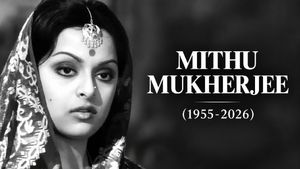 Who Was Mithu Mukherjee? Veteran Bengali Actress Passes Away At 71
 -
 Ahmedabad Police Flag Fraud Risk Behind Viral 'Rent A Garba Partner' Ads
 -
 Vidya Balan’s Jailer 2 Entry As Kantha: From Silk To Manjulika, A Look At Her Unconventional Roles
 -
 Samay Raina Has Now Denied Dating Rumours With Two Women In Three Months


Dussehra 2025: What Do Ten Heads Of Ravana Signify? Hidden Meaning Behind Them!

Every year, as the effigies of Ravana burn under the glowing night sky, Dussehra reminds us of the eternal triumph of good over evil. But behind the fiery spectacle lies a much deeper lesson.
Ravana, the mighty king of Lanka, was not just known for his strength and intelligence but also for his ten heads. Many children still ask curiously, 'Why ten heads? Was it real?'

The answer is both symbolic and spiritual. As we gear up to celebrate Dussehra on 2 October 2025, let us dive into the hidden meaning behind those ten heads, which represent not just the flaws of Ravana but the weaknesses we often wrestle with in our own lives.
The Symbolism Of Ravana's Ten Heads
Ravana's ten heads have always sparked fascination. They are not merely a mythological exaggeration but a mirror to human nature. Each head reflects a quality or emotion that can either uplift us if balanced or destroy us if left unchecked. This is why Ravana is remembered as a paradox-immensely knowledgeable yet blinded by ego, deeply devoted yet consumed by arrogance.
1. Kama: The Trap Of Lust
The first head represents 'Kama', or lust. Ravana's desire for Sita led him down the path of destruction. This head reminds us that unchecked desires can cloud judgment and push us into ruin. Lust here is not limited to physical attraction but also the craving for possessions, fame, or power.
2. Krodha: The Fire Of Anger
'Krodha', or anger, is another head Ravana bore. His fury often overpowered his wisdom. How many times in life do we let anger rule our decisions, only to regret them later? Ravana's downfall warns us that uncontrolled rage can undo even the most powerful.
3. Moha: The Veil Of Delusion
The third head stands for 'Moha', or delusion. Ravana lived in an illusion of invincibility, ignoring wise counsel. Delusion often blinds us to truth, keeping us attached to false beliefs or temporary victories. This head teaches the need for clarity and self-awareness.
4. Lobha: The Hunger Of Greed
'Lobha', or greed, was another trait that defined Ravana. He wanted more-be it kingdoms, women, or power. Greed, when uncontrolled, leaves us eternally unsatisfied. In our fast-paced world, this head feels especially relevant as we chase material gains at the cost of inner peace.
5. Mada: The Poison Of Pride
The fifth head symbolizes 'Mada', or pride. Ravana's arrogance made him underestimate Lord Rama. Pride creates walls around us, making us ignore wisdom and compassion. This head reminds us to stay grounded, no matter how high we rise.
6. Maatsarya: The Sting Of Envy
'Maatsarya', or envy, is another destructive trait. Ravana envied others' happiness and strength, which fueled his conflicts. Envy corrodes from within, stopping us from celebrating others' success and peace. The lesson here is gratitude and contentment.
7. Buddhi: The Gift Of Intellect
Interestingly, not all heads symbolize vices. 'Buddhi', or intellect, was Ravana's strength. He was a great scholar, a master of the Vedas, and a musician. Yet, intellect without wisdom can be misused. This head reflects the need to channel knowledge for the greater good.
8. Manas: The Power Of Mind
The eighth head, 'Manas', represents the mind. It is the seat of thoughts, imagination, and decisions. Ravana's mind was powerful, but it often wandered towards destructive desires. This head reminds us of the importance of discipline and focus.
9. Chitta: The Force Of Will
'Chitta', or will, gave Ravana unmatched determination. It is this willpower that made him one of the most formidable rulers. But when will is driven by arrogance, it becomes dangerous. This head encourages us to align willpower with righteousness.
10. Ahamkara: The Weight Of Ego
Finally, the most destructive head-'Ahamkara', or ego. Ravana's ego would not let him surrender even when defeat was certain. Ego separates us from others, creating conflict and loneliness. This head is the ultimate reminder that humility is strength, not weakness.
Victory lies not in burning an effigy but in conquering these traits within ourselves. That is the true spirit of Vijayadashami.

 Continue with Google

