




 Click it and Unblock the Notifications


Latest Updates
-
 Senior Journalist Payal Mehta Passes Away At 46; PM Modi, Rahul Gandhi, Other Political Leaders Pay Tributes
 -
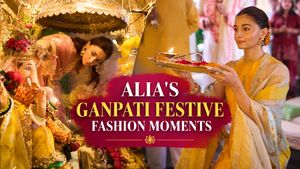 Alia Bhatt’s Ganesh Chaturthi 2026 Looks Were All About Custom Kurtas, Colour And Modern Festive Style
 -
 Weekend Read: Salman Khan Goes Shirtless on BB 20, Gives Trolls a Befitting 'Come Troll Me' Reply
 -
 World Cleanup Day 2026: Why ‘Clean Plates’ Could Be The Secret To Cleaner, Greener Cities
 -
 Deepika Padukone Welcomes Second Daughter With Ranveer Singh, A Day After Siddhivinayak Temple Visit
 -
 Penelope Cruz Steps Onto The TIFF Red Carpet In A Statement High Jewellery Look
 -
 Raaka Teaser: Allu Arjun And Atlee’s ₹1,000 Crore Sci-Fi Epic Gets A Cryptic Global Triumph Tease
 -
 Nita Ambani’s Amrapali Bharatam Necklace For Ganesh Chaturthi Has An Interesting Connection To Sonam Kapoor
 -
 Oscars 2027: ‘Gondhal’ Selected As India’s Entry, ‘Dhurandhar’ Among Major Films That Missed The Cut
 -
 Ruokamill Protein For Women: Honest Review, Health Benefits And Best Time to Take It


Chaitra Navratri 2026 Day 5: Maa Skandamata Significance, Rituals, Colour And Meaning Explained

As the days pass through Chaitra Navratri, each day spotlights a different aspect of the goddess, each with its own history, significance, and vibration. Day 5 honors the aspect of the goddess known as Maa Skandamata, which represents the perfect fusion of maternal love and divine power.
There's something deeply comforting about this day. It's not just about worship-it's about recognising the quiet power of nurturing, protection, and unconditional love.
Who Is Maa Skandamata?

Maa Skandamata is the mother of Lord Kartikeya (also known as Skanda), which is how she derives her name. She is depicted holding her son on her lap and seated on a lotus, which represents purity and enlightenment.
She is also referred to as the Goddess who provides wisdom, prosperity, and salvation. It is believed that by worshipping her, not only does she bless the devotee, but she also purifies the mind and soul.
Significance of Day 5
Day 5 holds special importance as it represents the balance between strength and compassion. Maa Skandamata is worshipped for:
- Motherly protection and care
- Inner peace and emotional healing
- Spiritual growth and clarity
It's believed that her blessings can guide devotees toward a more balanced and harmonious life-especially in times when emotions feel overwhelming or uncertain.
Navratri Day 5 Colour and Its Meaning
The colour associated with this day is white.
White symbolises:
- Purity and peace
- Clarity of thought
- Spiritual awakening
Wearing white on this day is believed to align your energy with calmness and positivity. It's less about ritual, more about intention-choosing stillness in a world that often feels chaotic.
Rituals and Puja Vidhi
Devotees start their day early, sometimes after taking a bath, with a clean mind to perform puja. Here is how the day is observed on Day 5:

- Offerings: Bananas are considered especially प्dear) to Maa Skandamata and are commonly offered during prayers.
- Flowers: White-coloured flowers are used to worship the serene and pure form of the goddess.
- Mantras and Aarti: Chanting her mantras is believed to bring mental peace and strength.
- Fasting: Many devotees continue their Navratri fast, consuming satvik food.
A key aspect of this day is devotion with simplicity, there's no grandeur required, just sincerity.
The Deeper Meaning Behind Worship
Beyond rituals, Maa Skandamata's tale also speaks to something universally human: the power it takes to nurture, to safeguard, and to release.
In many ways, Maa Skandamata's form also speaks to the power it takes to be quiet, to be kind, and to be able to hold space for others while holding space within ourselves.
Why This Day Feels Different
Every day of Navratri is associated with a different emotion, but on the fifth day, there is a sense of softness and calmness. It is a day to slow down and get closer to your inner self, not only to religion but also to peace within you.
It is not always about fighting and being brave; sometimes it is about being kind, being strong, and being graceful.

 Continue with Google

