




 Click it and Unblock the Notifications


Vintage Wine
Vintage Wine: Understanding Its History, Preparation Methods, and Unique Flavour Profiles
Vintage Wine Price

180 ml
₹ 55
375 ml
₹ 110
750 ml
₹ 220
₹ 220
Puducherry
Preparation
The preparation of vintage wine involves several steps. First, grapes are harvested and crushed to extract juice. This juice is then fermented with yeast. The fermentation process can take weeks or months. After fermentation, the wine is aged in barrels to develop its flavour and aroma.Flavour Profile
Vintage wines are known for their complex flavours. They can have notes of fruit, spices, or even earthy tones. The flavour profile depends on the grape variety, region, and aging process. Some wines may taste more robust, while others are delicate and subtle.Variations
There are many variations of vintage wine based on grape type and region. For example, Bordeaux wines are famous for their rich taste, while Burgundy wines are known for their elegance. Each variation offers a unique experience for wine enthusiasts.Cultural Significance
Vintage wine holds cultural significance in many societies. It is often associated with celebrations and rituals. In some cultures, it is a symbol of wealth and status. Wine has also played a role in religious ceremonies throughout history.Pairings
Pairing vintage wine with food enhances the dining experience. Red wines often pair well with red meats and cheeses. White wines complement seafood and poultry dishes. The right pairing can elevate both the food and the wine.Serving Suggestions
Serving vintage wine at the right temperature is important for enjoying its full flavour. Red wines are best served slightly below room temperature, while white wines should be chilled. Using proper glassware also enhances the tasting experience.Popularity and Trends
Vintage wine remains popular among enthusiasts worldwide. Trends show an increasing interest in organic and sustainable wines. Consumers are also exploring lesser-known regions for unique flavours and experiences.Interesting Facts
Did you know that some vintage wines can age for decades? As they age, their flavours become more complex. Another interesting fact is that not all years produce great vintages; weather conditions greatly affect grape quality.Health Considerations
Moderate consumption of vintage wine may offer health benefits like improved heart health due to antioxidants. However, excessive drinking poses risks such as liver damage and addiction. It's important to enjoy wine responsibly.Production Regions
Famous production regions for vintage wine include Bordeaux, Burgundy, Tuscany, and Napa Valley. Each region offers distinct characteristics based on climate and soil conditions, contributing to the diversity of vintage wines available.Legal Status and Regulations
The legal status of vintage wine varies by country. Some places have strict regulations on production and sale to ensure quality standards are met. It's advisable to check local laws regarding alcohol consumption and purchase.Distillation and Aging Process
The aging process is crucial for developing the character of vintage wine. Wines are typically aged in oak barrels which impart additional flavours like vanilla or spice. This process can last from a few months to several years.Historical Anecdotes
Throughout history, vintage wine has been enjoyed by royalty and commoners alike. In ancient Rome, it was a staple at banquets. Historical records show that some vintages were highly prized and even used as currency.Economic Impact
The vintage wine industry contributes significantly to the economy through tourism, exports, and job creation in vineyards and wineries. It supports local economies in major production regions around the world.Environmental Considerations
The production of vintage wine has environmental impacts such as water usage and pesticide application. Many producers are adopting sustainable practices to reduce their ecological footprint and promote biodiversity.Cocktail Recipes
While vintage wines are often enjoyed on their own, they can also be used in cocktails like sangria or mulled wine during festive occasions, adding a unique twist to traditional recipes.Conservation Efforts
Conservation efforts in the vintage wine industry focus on preserving traditional grape varieties and promoting sustainable farming practices to ensure future generations can enjoy these unique wines.Awards and Recognition
Many vintage wines receive awards at international competitions for their quality and taste. These accolades help raise awareness about different regions' offerings and encourage consumers to explore new options.Sustainability Focus
Sustainability is becoming increasingly important in the vintage wine industry as producers seek ways to minimise environmental impact while maintaining high-quality standards through organic farming methods or renewable energy use.Disclaimer: The information presented on this page regarding liquor prices, types, and brands is intended for general reference only. While we strive for accuracy; prices and availability may vary. For the most up-to-date information, please consult local retailers or official sources. Consumption of alcoholic beverages should be done responsibly, in accordance with legal drinking age requirements and health conditions. We do not endorse the consumption of alcohol.
Similar Wine Products You Might Like
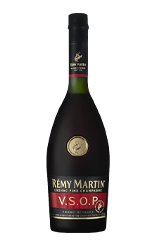
Wine Price List in City
Whisky Products You Might Like
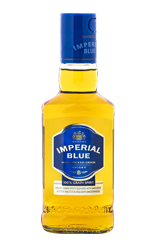
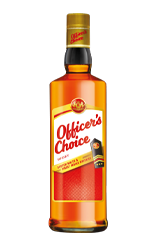
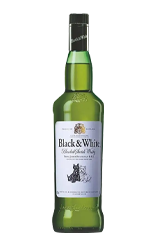
Latest Updates
-
 Pregnancy Workouts: What Every Expecting Mother Should Know, According To A Holistic Health And Wellness Coach
 -
 From Adelaide's Darkest Hour to Gabba Glory: The Redemption Arc That Defined Ajinkya Rahane
 -
 Ramayana Trailer Is Here! Yash's Ravana Steals The Show, Vivek Oberoi's First Look As Vidyutjihva Goes Viral
 -
 Why Stress Can Make Your Memory Feel Unreliable, Expert Explains
 -
 Karishma Tanna, Husband Varun Bangera Share First Post After Son's Birth
 Continue with Google