




 Click it and Unblock the Notifications


Seikyo Ginjo Share Bottle Sake-df 180mlx30btls
Seikyo Ginjo Share Bottle Sake-df 180mlx30btls Price

180 ml
₹ 551
₹ 551
Karnataka
Ingredients
The main ingredients in Seikyo Ginjo Sake are rice, water, yeast, and koji mold. The rice used is polished to remove the outer layers, which enhances the flavour. High-quality water is essential for the brewing process.Preparation
The preparation of Seikyo Ginjo Sake involves several steps. The rice is polished, washed, and steamed. Koji mold is added to the steamed rice to convert starches into sugars. Yeast is then added to ferment the mixture.Flavour Profile
Seikyo Ginjo Sake has a delicate and fruity flavour profile. It often features notes of melon, apple, and pear. The sake is smooth with a clean finish, making it enjoyable for various occasions.Variations
There are different variations of Seikyo Ginjo Sake. These include Junmai Ginjo, which uses only rice, water, yeast, and koji mold without added alcohol. Each variation offers a unique taste experience.Cultural Significance
Sake holds significant cultural importance in Japan. It is often used in religious ceremonies and celebrations. Sharing a bottle of sake is a symbol of friendship and respect in Japanese culture.Pairings
Seikyo Ginjo Sake pairs well with various foods. It complements sushi, sashimi, and other seafood dishes. It also goes well with grilled meats and vegetables, enhancing the dining experience.Serving Suggestions
Sake can be served chilled, at room temperature, or warm. Seikyo Ginjo Sake is best enjoyed slightly chilled to appreciate its delicate flavours. Use a traditional sake cup or wine glass for serving.Popularity and Trends
Sake has gained popularity worldwide in recent years. Seikyo Ginjo Sake is appreciated for its quality and taste. Many people are exploring sake as an alternative to wine and other alcoholic beverages.Interesting Facts
Sake brewing involves a unique fermentation process called multiple parallel fermentation. This process allows the conversion of starches to sugars and sugars to alcohol simultaneously. It sets sake apart from other alcoholic drinks.Health Considerations
Sake contains antioxidants that may offer health benefits when consumed in moderation. However, excessive consumption can lead to health risks such as liver damage and addiction. Always drink responsibly.Production Regions
Sake production is widespread across Japan. Notable regions include Niigata, Hiroshima, and Kyoto. Each region has its own brewing techniques and flavour profiles, contributing to the diversity of sake.Legal Status and Regulations
The legal status of sake varies by country. In India, it is important to check local laws regarding the sale and consumption of alcohol. Always ensure compliance with regulations when purchasing or consuming sake.Distillation and Aging Process
Sake is not distilled but brewed through fermentation. Some types of sake are aged to develop deeper flavours. However, most ginjo sakes are enjoyed fresh to preserve their delicate taste.Historical Anecdotes
Sake has been mentioned in ancient Japanese texts like the Kojiki and Nihon Shoki. These texts highlight the importance of sake in rituals and daily life during ancient times.Economic Impact
The sake industry contributes significantly to Japan's economy. It supports local farmers who grow rice and provides employment in breweries. The export market for sake is also growing globally.Environmental Considerations
Sustainable practices are becoming more common in sake production. Breweries are focusing on reducing water usage and waste during the brewing process. This helps protect the environment while maintaining quality.Cocktail Recipes
Sake can be used in various cocktail recipes. A popular option is the "Saketini," which combines ginjo sake with gin or vodka and a twist of lemon peel for garnish.Conservation Efforts
Brewery conservation efforts include preserving traditional brewing methods while adopting modern sustainable practices. This ensures that future generations can enjoy high-quality sake without harming the environment.Awards and Recognition
Seikyo Ginjo Sake has received numerous awards for its quality and taste at international competitions. These accolades highlight its excellence in the global market.Sustainability Focus
The Seikyo brand emphasises sustainability by using eco-friendly packaging and sourcing ingredients responsibly. These efforts contribute to environmental conservation while producing premium sake.Aspect | Description |
Main Ingredients | Rice, Water, Yeast, Koji Mold |
Flavour Profile | Fruity notes of melon, apple, pear; smooth finish |
Serving Temperature | Slightly chilled for best taste |
Cultural Significance | Used in religious ceremonies; symbolises friendship/respect |
Awards & Recognition | Numerous international awards for quality/taste |
Sustainability Practices | Eco-friendly packaging; responsible sourcing of ingredients |
Disclaimer: The information presented on this page regarding liquor prices, types, and brands is intended for general reference only. While we strive for accuracy; prices and availability may vary. For the most up-to-date information, please consult local retailers or official sources. Consumption of alcoholic beverages should be done responsibly, in accordance with legal drinking age requirements and health conditions. We do not endorse the consumption of alcohol.
Similar Gin Products You Might Like
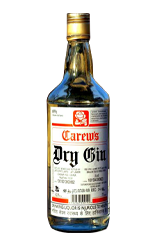
Carews Dry Gin - 750 ml
₹ 135.00
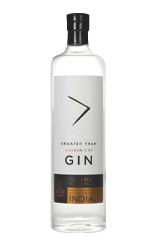
Gin Price List in City
Brandy Products You Might Like
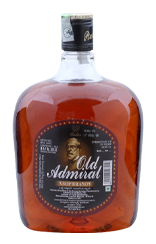
Old Admiral Vsop Brandy - 750 ml
₹ 508.00

Latest Updates
-
 Why Men’s Fertility Health Matters Just As Much As Women’s In IVF
 -
 World Hepatitis Day 2026: Date, Theme, History, Significance, And More
 -
 Tattoo Regret Is Rising: What Plastic Surgeons Want You to Know Before You Remove Your Ink
 -
 What Is E20 Janta Party: The Meme Movement Taking On India's Ethanol Fuel Policy
 -
 Indian Idol 16: Winner, Runner-Ups, Cash Prize, and Everything Else You Need to Know
 Continue with Google