




 Click it and Unblock the Notifications


Saki White Wine
Saki White Wine Price

180 ml
₹ 70
375 ml
₹ 138
750 ml
₹ 263
₹ 263
Karnataka
Ingredients
The main ingredients of Saki White Wine are rice, water, yeast, and koji mold. High-quality rice is essential for the best flavour. Water quality also plays a crucial role in the brewing process.Preparation
The preparation of Saki White Wine involves several steps. First, the rice is polished to remove the outer layer. Then, it is washed and steamed. Koji mold is added to the steamed rice to convert starches into sugars.Next, yeast is added to start fermentation. This process can take several weeks. The mixture is then pressed to separate the liquid from the solids. Finally, the wine is filtered and pasteurised before bottling.Flavour Profile
Saki White Wine has a delicate and complex flavour profile. It often features notes of fruit, flowers, and spices. The taste can range from sweet to dry, depending on the brewing method.Variations
There are many variations of Saki White Wine. Some are aged for a richer flavour, while others are enjoyed fresh. Different types of rice and water sources can also create unique tastes.Cultural Significance
Saki White Wine holds great cultural significance in Japan. It is often used in religious ceremonies and celebrations. The drink symbolises purity and prosperity.Pairings
Saki White Wine pairs well with various foods. It complements sushi, sashimi, and other Japanese dishes. It also goes well with cheese and light appetisers.Serving Suggestions
Saki White Wine can be served chilled or at room temperature. It is often enjoyed in small cups called ochoko or in larger vessels known as tokkuri.Popularity and Trends
Saki White Wine has gained popularity worldwide. Many people appreciate its unique taste and cultural heritage. New trends include pairing saki with non-traditional foods and using it in cocktails.Interesting Facts
Did you know that there are over 1,500 saki breweries in Japan? Another interesting fact is that saki can be aged like wine, developing more complex flavours over time.Health Considerations
Saki White Wine contains alcohol, so it should be consumed responsibly. Some studies suggest moderate consumption may have health benefits like improved heart health. However, excessive drinking can lead to health risks such as liver damage.Production Regions
Saki White Wine is produced in various regions of Japan. Each region has its own style and flavour profile. Notable regions include Niigata, Hyogo, and Kyoto.Legal Status and Regulations
The legal status of Saki White Wine varies by country. In India, it is important to check local laws regarding alcohol consumption and purchase.Distillation and Aging Process
Saki White Wine does not undergo distillation like spirits do. Instead, it is brewed through fermentation. Some varieties are aged for several months or even years to enhance their flavour.Historical Anecdotes
An interesting historical anecdote involves samurai warriors who would drink saki before battle for courage. This tradition highlights the drink's importance in Japanese culture.Economic Impact
The production of Saki White Wine contributes significantly to Japan's economy. It supports local farmers, brewers, and related industries.Environmental Considerations
The production of Saki White Wine involves sustainable practices such as using locally sourced ingredients and recycling by-products like rice bran.Cocktail Recipes
Saki White Wine can be used in various cocktail recipes. A popular one is the Sakitini, which combines saki with gin or vodka for a refreshing drink.Conservation Efforts
Sake breweries often engage in conservation efforts to protect water sources and maintain biodiversity around their facilities.Awards and Recognition
Sake White Wine has received numerous awards for its quality and taste at international competitions such as the International Wine Challenge (IWC).Sustainability Focus
The Sake industry focuses on sustainability by adopting eco-friendly practices like reducing carbon emissions and promoting organic farming methods.Disclaimer: The information presented on this page regarding liquor prices, types, and brands is intended for general reference only. While we strive for accuracy; prices and availability may vary. For the most up-to-date information, please consult local retailers or official sources. Consumption of alcoholic beverages should be done responsibly, in accordance with legal drinking age requirements and health conditions. We do not endorse the consumption of alcohol.
Similar Wine Products You Might Like
Sula Brut - 750 ml
₹ 1400.00
Cinzano Prosecco - 750 ml
₹ 1650.00
Wine Price List in City
Vodka Products You Might Like
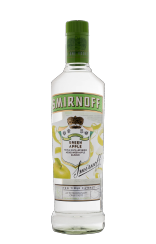
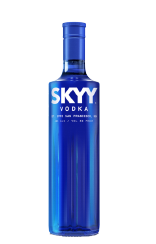
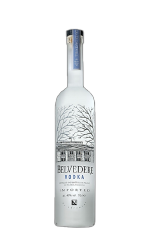
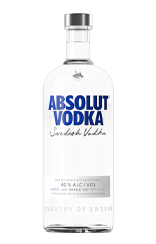
Skyy Vodka 50mlx180btls - 50 ml
₹ 197.00
Latest Updates
-
 Why Men’s Fertility Health Matters Just As Much As Women’s In IVF
 -
 World Hepatitis Day 2026: Date, Theme, History, Significance, And More
 -
 Tattoo Regret Is Rising: What Plastic Surgeons Want You to Know Before You Remove Your Ink
 -
 What Is E20 Janta Party: The Meme Movement Taking On India's Ethanol Fuel Policy
 -
 Indian Idol 16: Winner, Runner-Ups, Cash Prize, and Everything Else You Need to Know
 Continue with Google