




 Click it and Unblock the Notifications


Ruby Port Red Wine-pet
Ruby Port Red Wine-pet Price

180 ml
₹ 31
375 ml
₹ 63
750 ml
₹ 127
₹ 127
Karnataka
Ingredients
The primary ingredients in Ruby Port Red Wine include red grapes such as Touriga Nacional, Tinta Roriz, and Tinta Barroca. Brandy is added to fortify the wine, increasing its alcohol content. The combination of these ingredients results in a sweet, rich flavour profile.Preparation
The preparation of Ruby Port involves crushing the grapes and fermenting the juice. During fermentation, brandy is added to stop the process and retain the natural sugars. The wine is then aged in large oak barrels for a few years before being bottled.Flavour Profile
Ruby Port Red Wine is known for its deep red colour and sweet, fruity flavour. It has notes of berries, cherries, and plums, with a hint of spice. The wine's sweetness makes it a popular choice for dessert pairings.Variations
There are several variations of Ruby Port, including Reserve Ruby Port and Late Bottled Vintage (LBV) Port. Reserve Ruby Port is aged longer than standard Ruby Port, resulting in a more complex flavour. LBV Port is made from grapes of a single vintage year and aged for four to six years before bottling.Cultural Significance
Ruby Port holds cultural significance in Portugal and beyond. It is often enjoyed during celebrations and special occasions. In Portugal, it is common to serve Ruby Port at the end of a meal as a digestif.Pairings
Ruby Port pairs well with a variety of foods. It complements rich desserts like chocolate cake and cheesecake. It also pairs well with strong cheeses such as blue cheese and aged cheddar.Serving Suggestions
Ruby Port should be served slightly chilled, at around 12-16°C (54-60°F). It is best enjoyed in small glasses to appreciate its rich aroma and flavour fully. Once opened, it should be consumed within a few weeks for optimal taste.Popularity and Trends
Ruby Port remains popular worldwide, with increasing interest from younger consumers. Trends show a growing appreciation for fortified wines, with many people exploring different styles of Port.Interesting Facts
An interesting fact about Ruby Port is that it does not improve with age once bottled. Unlike some wines, it is meant to be enjoyed young to appreciate its fresh fruit flavours fully.Health Considerations
Moderate consumption of Ruby Port may offer some health benefits due to its antioxidant content. However, excessive drinking can lead to health risks such as liver disease and addiction. It is important to enjoy this wine responsibly.Production Regions
The primary production region for Ruby Port is the Douro Valley in Portugal. This area is known for its steep terraces and unique microclimate, which contribute to the quality of the grapes used in Port production.Legal Status and Regulations
The production of Ruby Port is strictly regulated by Portuguese law to ensure quality. It must be produced in the Douro Valley and adhere to specific guidelines regarding grape varieties and aging processes. Consumers should check local laws regarding alcohol consumption.Distillation and Aging Process
The distillation process involves adding brandy to the fermenting grape juice to fortify it. The aging process takes place in large oak barrels for two to three years before bottling. This method helps develop the wine's rich flavour profile.Historical Anecdotes
An interesting historical anecdote about Ruby Port involves British merchants who discovered that adding brandy helped preserve the wine during long sea voyages. This practice led to the development of fortified wines like Ruby Port.Economic Impact
The production of Ruby Port significantly impacts Portugal's economy, providing jobs and supporting local communities in the Douro Valley. The export of this wine also contributes to the country's revenue.Environmental Considerations
Sustainable practices are becoming more common in the production of Ruby Port. Many producers are adopting organic farming methods and reducing their carbon footprint to protect the environment.Cocktail Recipes
Ruby Port can be used in various cocktail recipes. One popular option is the "Port Tonic," made by mixing Ruby Port with tonic water and garnishing with a slice of lemon or orange.Conservation Efforts
Efforts are being made to conserve the unique landscape of the Douro Valley where Ruby Port grapes are grown. These efforts include protecting biodiversity and promoting sustainable farming practices.Awards and Recognition
Ruby Port wines have received numerous awards and recognition at international wine competitions. These accolades highlight the quality and craftsmanship involved in producing this beloved wine.Sustainability Focus
The Ruby Port industry increasingly focuses on sustainability by adopting eco-friendly practices such as organic farming, reducing water usage, and minimising waste during production processes.Disclaimer: The information presented on this page regarding liquor prices, types, and brands is intended for general reference only. While we strive for accuracy; prices and availability may vary. For the most up-to-date information, please consult local retailers or official sources. Consumption of alcoholic beverages should be done responsibly, in accordance with legal drinking age requirements and health conditions. We do not endorse the consumption of alcohol.
Similar Wine Products You Might Like

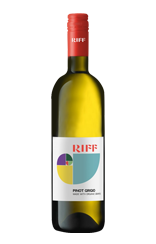
Riff Pinot Grigio - 750 ml
₹ 659.00
Jacobs Creek Shiraz Cabernet - 750 ml
₹ 1350.00
Jacobs Creek Chardonnay - 750 ml
₹ 671.00
Fratelli Sauvignon Blanc - 750 ml
₹ 747.00
Wine Price List in City
Beer Products You Might Like





Latest Updates
-
 Devshayani Ekadashi 2026: Date, Muhurat, Significance, Rituals, And More
 -
 Weekly Horoscope (July 25–August 2, 2026): What Your Moon Sign Says About Career, Money And Love
 -
 Why Pickleball Is an Ideal Low-Impact Workout for All Age Groups
 -
 Kangana Ranaut's Sarees Take You On A Journey Through India's Most Iconic Handloom Weaves
 -
 Dad's Role Matters More Than You Think: The Science Behind Paternal Bonding
 Continue with Google