




 Click it and Unblock the Notifications


Port wine 1000 gold
Port wine 1000 gold Price

1000 ml
₹ 230
₹ 230
Goa
Ingredients
The main ingredients in Port wine are grapes, yeast, and brandy. Grapes used include Touriga Nacional, Tinta Roriz, and Tinta Barroca. These grapes give Port its distinct flavour and aroma. Yeast is used to ferment the grape juice, while brandy fortifies the wine.Preparation
The preparation of Port wine involves several steps. First, grapes are harvested and crushed to extract juice. Yeast is added to start fermentation. Once fermentation reaches a certain point, brandy is added to stop the process. This preserves the natural sugars, giving Port its sweetness.Flavour Profile
Port wine 1000 gold has a rich and complex flavour profile. It offers notes of berries, chocolate, and spices. The sweetness is balanced by a slight acidity, making it enjoyable to sip slowly. Its full-bodied texture adds to the overall experience.Variations
There are several variations of Port wine, including Ruby, Tawny, and Vintage. Ruby Port is young and fruity, while Tawny Port is aged longer for a nutty flavour. Vintage Port is made from the best grapes of a single year and aged in bottles.Cultural Significance
Port wine holds cultural significance in Portugal and beyond. It is often served at celebrations and special occasions. In Portugal, it is customary to toast with Port during festive events. Its rich history makes it a symbol of tradition.Pairings
Port wine pairs well with various foods. It complements desserts like chocolate cake or cheese platters. The sweetness of Port balances the richness of these dishes. It can also be enjoyed with nuts or dried fruits for a simple pairing.Serving Suggestions
Port wine should be served slightly chilled in small glasses. This enhances its flavours and aromas. It is best enjoyed after meals as a dessert wine or with cheese courses. Pouring it into decanters can help aerate the wine before serving.Popularity and Trends
Port wine remains popular worldwide due to its unique taste and versatility. In recent years, there has been an increase in interest among younger consumers. This has led to innovative ways of enjoying Port, such as in cocktails.Interesting Facts
An interesting fact about Port wine is that it must be produced in Portugal to be called "Port." The Douro Valley was the first demarcated wine region in the world. This ensures quality control and authenticity for all genuine Port wines.Health Considerations
Port wine contains antioxidants that may offer health benefits when consumed in moderation. However, excessive consumption can lead to health risks such as liver damage or addiction issues. It's important to enjoy responsibly.Production Regions
The primary production region for Port wine is the Douro Valley in northern Portugal. This area has unique soil and climate conditions ideal for grape growing. The region's steep terraces provide optimal sun exposure for vineyards.Legal Status and Regulations
The legal status of Port wine varies by country due to alcohol regulations. In India, consumers should check local laws regarding importation and sale of alcoholic beverages like Port wine 1000 gold before purchasing or consuming.Distillation and Aging Process
The distillation process involves adding brandy to fermenting grape juice to fortify it into Port wine 1000 gold style wines; aging occurs either in barrels (Tawny) or bottles (Vintage), affecting flavour development over time significantly.Historical Anecdotes
A historical anecdote about port involves British merchants who discovered that adding brandy helped preserve their shipments during long sea voyages back home from Portugal's Douro Valley vineyards centuries ago!Economic Impact
The economic impact of producing quality Ports like those found within "1000 Gold" ranges extends beyond just local economies but also contributes significantly towards tourism revenue generation throughout Portugal annually too!Environmental Considerations
Sustainable practices within this industry include organic farming methods aimed at reducing chemical usage while promoting biodiversity conservation efforts across vineyard landscapes globally today more than ever before!Cocktail Recipes
Cocktail Name | Main Ingredients |
Port Tonic | White port, tonic water, lime slice |
Ruby Spritz | Ruby port, soda water, orange slice |
Tawny Sour | Tawny port, lemon juice, simple syrup |
Awards and Recognition
Awards recognising excellence within this sector include prestigious accolades given annually by international competitions celebrating outstanding achievements amongst producers worldwide today more than ever before!Sustainability Focus
Sustainability focus within this industry includes initiatives aimed at reducing carbon footprints through renewable energy sources alongside water conservation measures implemented across production facilities globally today more than ever before!Port wine 1000 gold FAQs
What makes Misiones d Rengo Cabernet Sauvignon unique?
Where is Misiones d Rengo Cabernet Sauvignon produced?
Can Misiones d Rengo Cabernet Sauvignon be paired with food?
What are the sustainability practices of Misiones d Rengo?
How should Misiones d Rengo Cabernet Sauvignon be served?
What is Port Wine 1000 Gold?
What grapes are used in Port Wine?
How should Port Wine be served?
What foods pair well with Port Wine?
What are the different types of Port Wine?
Disclaimer: The information presented on this page regarding liquor prices, types, and brands is intended for general reference only. While we strive for accuracy; prices and availability may vary. For the most up-to-date information, please consult local retailers or official sources. Consumption of alcoholic beverages should be done responsibly, in accordance with legal drinking age requirements and health conditions. We do not endorse the consumption of alcohol.
Similar Wine Products You Might Like
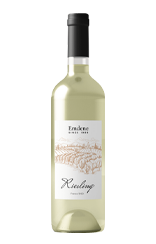
Riesling - 750 ml
₹ 2349.00
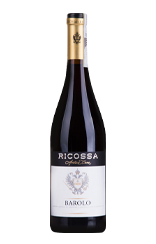
Ricossa barolo - 750 ml
₹ 4235.00
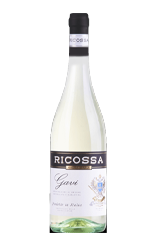
Ricossa gavi - 750 ml
₹ 1975.00
Wine Price List in City
Vodka Products You Might Like
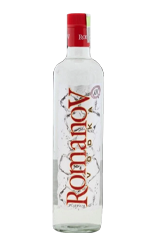
Platinum Romanov Vodka - 375 ml
₹ 319.00
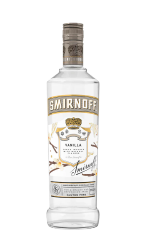

Romanov Red Vodka - 750 ml
₹ 528.00
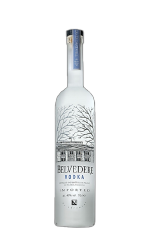
Belvedere Vodka - 700 ml
₹ 5151.00
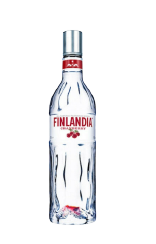
Finlandia Cranberry Vodka - 750 ml
₹ 2500.00
Latest Updates
-
 Harry Potter-Inspired Chocolate Collection In India: Entisi Chocolatier Teams Up With Warner Bros. Discovery
 -
 Radhika Ambani's ₹5.6 Lakh Dior Mid-Length Belted Dress In London Outing Is Winning Hearts
 -
 World Breastfeeding Week 2026: Breastfeeding In Public—Rights, Comfort And Confidence
 -
 Mahanadi Flood Alert: Why Odisha Faces Flooding Almost Every Monsoon
 -
 Gajanana Sankashti Chaturthi 2026: Significance, Puja Vidhi, Vrat Rules And Moonrise Time
 Continue with Google