




 Click it and Unblock the Notifications


Martini Blanco
Martini Blanco Price

1000 ml
₹ 1500
₹ 1500
Puducherry
Ingredients
Martini Blanco is made from a base of white wine. It is infused with a variety of botanicals, including herbs, spices, and flowers. These ingredients give it its distinctive flavour. Sugar is also added to enhance its sweetness.Preparation
To prepare Martini Blanco, the wine is first fortified with alcohol. Then, the botanicals are steeped in the wine to extract their flavours. This mixture is then filtered and aged to develop its taste before bottling.Flavour Profile
The flavour of Martini Blanco is sweet with hints of vanilla and citrus. It has a smooth texture and a fragrant aroma. The combination of botanicals gives it a complex yet balanced taste.Variations
While Martini Blanco is well-loved, there are other variations like Martini Rosso and Martini Extra Dry. Each offers a different taste experience due to variations in ingredients and preparation methods.Cultural Significance
In Italy, Martini Blanco is often enjoyed as an aperitif before meals. It holds cultural significance as part of Italian dining traditions. Its popularity has spread globally, making it a symbol of sophisticated drinking culture.Pairings
Martini Blanco pairs well with light appetisers such as olives, nuts, or cheese. Its sweet profile complements savoury dishes, enhancing the overall dining experience.Serving Suggestions
This vermouth is best served chilled over ice or mixed into cocktails. A slice of lemon or an olive can be added for extra flavour. It is often used in classic cocktails like the Martini or Negroni.Popularity and Trends
Martini Blanco remains popular due to its versatility in cocktails and as an aperitif. Recent trends show a growing interest in vermouth-based drinks among younger consumers seeking unique flavours.Interesting Facts
Did you know that Martini Blanco was originally marketed as a medicinal tonic? Its blend of herbs was believed to have health benefits. Today, it is enjoyed purely for its taste and aroma.Health Considerations
While moderate consumption of Martini Blanco may offer some relaxation benefits, excessive drinking can lead to health risks. It's important to enjoy this drink responsibly and be aware of its alcohol content.Production Regions
The primary production region for Martini Blanco is Italy, particularly in the Piedmont region where it originated. The climate and local expertise contribute to its quality.Legal Status and Regulations
The legal status of Martini Blanco varies by country due to differing alcohol regulations. Consumers should check local laws regarding age restrictions and sales regulations before purchasing.Distillation and Aging Process
The distillation process involves fortifying wine with alcohol before adding botanicals. After infusion, the mixture is aged for several months to enhance its flavours before being bottled for sale.Historical Anecdotes
An interesting historical anecdote about Martini Blanco involves its use during World War II when soldiers enjoyed it as a morale booster due to its comforting taste.Economic Impact
The production and sale of Martini Blanco contribute significantly to Italy's economy through exports and tourism related to wine regions. It supports local jobs in vineyards and distilleries.Environmental Considerations
Sustainable practices are increasingly important in the production of Martini Blanco. Efforts include reducing water usage in vineyards and adopting eco-friendly packaging solutions.Cocktail Recipes
Cocktail Name | Main Ingredients |
Classic Martini | Martini Blanco, gin, lemon twist or olive |
Negroni Bianco | Martini Blanco, gin, Campari, orange slice |
Awards and Recognition
Martini Blanco has received numerous awards for its quality over the years. It continues to be recognised at international spirits competitions for its excellence in taste and craftsmanship.Sustainability Focus
The industry behind Martini Blanco is focusing on sustainability by implementing practices that reduce environmental impact. This includes using renewable energy sources in production facilities.Martini Blanco FAQs
What is Martini Blanco?
How is Martini Blanco made?
What are the main ingredients in Martini Blanco?
How should Martini Blanco be served?
What are some popular cocktails made with Martini Blanco?
Disclaimer: The information presented on this page regarding liquor prices, types, and brands is intended for general reference only. While we strive for accuracy; prices and availability may vary. For the most up-to-date information, please consult local retailers or official sources. Consumption of alcoholic beverages should be done responsibly, in accordance with legal drinking age requirements and health conditions. We do not endorse the consumption of alcohol.
Similar Wine Products You Might Like
Wine Price List in City
Brandy Products You Might Like
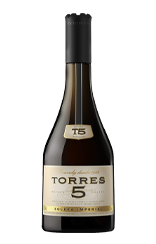
Torres 5 Imperial Brandy - 700 ml
₹ 1650.00
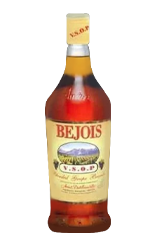
Bejois Vsop Brandy - 750 ml
₹ 350.00
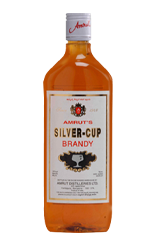
Amruts Silver Cup Brandy - 750 ml
₹ 240.00
Latest Updates
-
 Screen Time, Stress And Sleep: Are Modern Lifestyles Silently Affecting Brain Health?
 -
 August 2026 Important Days And Events: Complete List Of National And International Observances This Month
 -
 7.1-Magnitude Earthquake Strikes Japan: 10 Emergency Go-Bag Essentials Every Home Should Have
 -
 Cotton vs Linen vs Chanderi: Which Fabric Is Best For Monsoon?
 -
 Guru Purnima 2026: Spiritual Healer Ayush Gupta Shares What to Expect This Full Moon For All Zodiac Signs
 Continue with Google