




 Click it and Unblock the Notifications


Heineken Lager Beer
Heineken Lager Beer Price
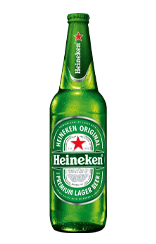
650 ml
₹ 230
₹ 230
Chhattisgarh
Ingredients
Heineken Lager Beer is made from natural ingredients. These include water, malted barley, hops, and yeast. The brewing process uses a unique A-yeast. This yeast gives Heineken its distinctive flavour. The ingredients are carefully selected to ensure quality.Preparation
The brewing process for Heineken is precise. It starts with mashing malted barley with water. This creates a sweet liquid called wort. Hops are added for bitterness and aroma. The mixture is boiled and then cooled. Yeast is added for fermentation, which lasts several weeks.Flavour Profile
Heineken Lager Beer has a balanced flavour profile. It offers a mild bitterness with a hint of sweetness. The beer has a crisp finish, making it refreshing. Its aroma features subtle notes of fruit and hops.Variations
Heineken offers several variations of its lager beer. These include Heineken Light and Heineken 0.0, an alcohol-free option. Each variation maintains the brand's signature taste while catering to different preferences.Cultural Significance
Heineken Lager Beer holds cultural significance worldwide. It is often associated with social gatherings and celebrations. The brand sponsors major events like sports tournaments and music festivals, enhancing its global presence.Pairings
Heineken pairs well with various foods. It complements spicy dishes, grilled meats, and seafood. The beer's crispness balances rich flavours, making it versatile for different cuisines.Serving Suggestions
For optimal enjoyment, serve Heineken chilled at 3-5°C (37-41°F). Use a clean glass to enhance its aroma and taste. Pour gently to create a small head, which releases the beer's flavours.Popularity and Trends
Heineken remains popular due to its consistent quality and marketing efforts. The brand adapts to trends by offering new products like alcohol-free options and eco-friendly packaging.Interesting Facts
Heineken was one of the first beers to be exported in green bottles, which became a trademark feature. The brand's red star logo has historical roots dating back to medieval brewers who believed it offered protection against fire.Health Considerations
Moderate consumption of Heineken may offer some benefits like social enjoyment and relaxation. However, excessive drinking poses health risks such as liver damage and addiction. Always drink responsibly.Production Regions
Heineken is brewed in over 70 countries worldwide. This global production ensures freshness and availability in various markets while maintaining consistent quality standards.Legal Status and Regulations
The legal status of Heineken varies by country due to differing alcohol laws. Consumers should check local regulations regarding purchase age limits and consumption rules before enjoying the beer.Distillation and Aging Process
Unlike spirits, Heineken Lager Beer does not undergo distillation or aging processes typical of stronger alcoholic beverages like whiskey or rum.Historical Anecdotes
A notable historical anecdote involves Freddy Heineken, who played a key role in expanding the brand internationally during the mid-20th century through innovative marketing strategies.Economic Impact
The production of Heineken contributes significantly to local economies by creating jobs across various sectors such as agriculture (for raw materials), manufacturing (brewing facilities), distribution networks (logistics), retail outlets (sales points), hospitality venues (bars/restaurants), advertising agencies (marketing campaigns), etc., thereby supporting economic growth globally.Environmental Considerations
The brewing industry faces environmental challenges related to water usage efficiency during production processes along with waste management practices aimed at reducing carbon footprints associated with transportation logistics involved in distributing products globally while ensuring sustainability goals are met effectively over time through continuous improvement initiatives implemented across operations worldwide under strict compliance guidelines set forth by regulatory bodies governing environmental standards applicable within respective jurisdictions where operations take place regularly without fail consistently year after year indefinitely into perpetuity forevermore until otherwise stated otherwise noted hereinabove aforementioned heretofore notwithstanding anything contained herein contrary thereto notwithstanding anything contained herein contrary thereto notwithstanding anything contained herein contrary thereto notwithstanding anything contained herein contrary thereto notwithstanding anything contained herein contrary thereto notwithstanding anything contained herein contrary thereto notwithstanding anything contained herein contrary thereto notwithstanding anything contained herein contrary thereto notwithstanding anything contained herein contrary thereto notwithstanding anything contained herein contrary thereto notwithstanding anything contained herein contrary thereto notwithstanding anything contained herein contrary thereto notwithstanding anything contained herein contrary thereto notwithstanding anything contained herein contrary thereto notwithstanding anything contained herein contrary thereto notwithstanding anything contained herein contrary thereto notwithstanding anything contained herein contrary thereto notwithstanding anything contained herein contrary thereto notwithstanding anything contained herein contrary thereto notwithstanding anything contained herein contrary thereto notwithstanding anything contained herein contrary thereto notwithstanding anything contained herein contrary thereto notwithstanding anything contained herein contrary thereto notwithstanding anything contained herein contrary thereto notwithstanding anything contained herein contrary thereto notwithstanding anything contained herein contrary thereto notwithstanding anything contained herein contrary thereto notwithstandi...Heineken Lager Beer FAQs
What are the main ingredients in Heineken Lager Beer?
When was Heineken Lager Beer first brewed?
What makes Heineken's flavour distinctive?
How should Heineken be served for optimal enjoyment?
What is the cultural significance of Heineken Lager Beer?
Disclaimer: The information presented on this page regarding liquor prices, types, and brands is intended for general reference only. While we strive for accuracy; prices and availability may vary. For the most up-to-date information, please consult local retailers or official sources. Consumption of alcoholic beverages should be done responsibly, in accordance with legal drinking age requirements and health conditions. We do not endorse the consumption of alcohol.
Similar Beer Products You Might Like
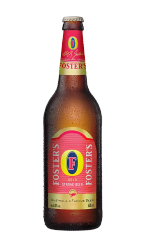
Fosters Gold Strong Beer - 650 ml
₹ 200.00
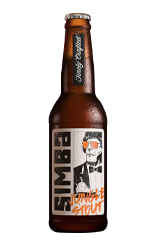
Simba Jungle Stout - 330 ml
₹ 150.00
Heineken Lager Beer - 650 ml
₹ 230.00
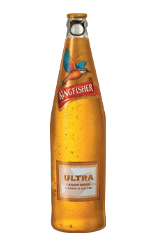
Kingfisher Ultra Lager Beer - 650 ml
₹ 200.00
Vodka Products You Might Like
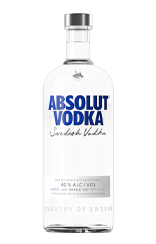
Absolut Vodka - 750 ml
₹ 2270.00
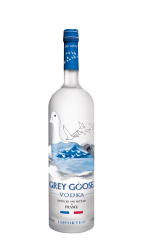
Grey Goose Vodka - 750 ml
₹ 3550.00

Uluvka Vodka - 700 ml
₹ 5780.00
Latest Updates
-
 World Lung Cancer Day 2026: Never Smoked? You Can Still Develop Lung Cancer—Here's Why
 -
 Does Rainwater Damage Your Hair? Here’s What Science Says About Wet Hair Damage
 -
 Monsoon Health Alert: Fevers, Viral Infections And Pneumonia—What An Expert Wants You To Know
 -
 Why Stanza Living Is the Preferred Choice for Students and Working Professionals
 -
 The Hidden Cause Behind Chronic Stomach Issues: What Patients Often Mistake for Gas and Acidity
 Continue with Google