




 Click it and Unblock the Notifications


Fandango Mezcal-df 750mlx12btls
Fandango Mezcal-df 750mlx12btls Price

750 ml
₹ 6
750 ml
₹ 7
₹ 6
Karnataka
Preparation
The preparation of Fandango Mezcal involves several steps. First, the agave hearts, or piñas, are harvested and cooked in earthen pits lined with hot stones. This process can take several days. After cooking, the piñas are crushed to extract their juice.The juice is then fermented in wooden vats for several days to weeks. After fermentation, the liquid is distilled, usually twice, to achieve the desired alcohol content and flavour profile.Flavour Profile
Fandango Mezcal has a distinct smoky flavour due to the cooking process of the agave hearts. It can also have notes of fruit, earth, and spices. The flavour can vary depending on the type of agave used and the production methods.Variations
There are many variations of Fandango Mezcal. Some are made with different types of agave, such as Tobalá or Tepeztate. Others may be aged in barrels for different lengths of time, resulting in different flavour profiles.Cultural Significance
Mezcal holds significant cultural importance in Mexico. It is often used in traditional ceremonies and celebrations. Mezcal production is also a family tradition for many communities, passed down through generations.Pairings
Fandango Mezcal pairs well with various foods. It complements spicy dishes, grilled meats, and rich sauces. It can also be enjoyed with fruits and cheeses for a balanced tasting experience.Serving Suggestions
Mezcal is typically served neat in small glasses called copitas or jicaras. It can also be enjoyed in cocktails like the Mezcal Margarita or Mezcal Negroni. Adding a slice of orange with sal de gusano (worm salt) enhances its flavours.Popularity and Trends
Fandango Mezcal has gained popularity worldwide in recent years. Its unique flavour and artisanal production methods attract many enthusiasts. The rise of craft cocktails has also contributed to its growing trend.Interesting Facts
An interesting fact about mezcal is that it often contains a worm in the bottle. This tradition started as a marketing gimmick but has become a symbol of authenticity for some brands.Health Considerations
Like all alcoholic beverages, Fandango Mezcal should be consumed responsibly. Some studies suggest moderate alcohol consumption may have health benefits, such as improved heart health. However, excessive drinking can lead to serious health risks.Production Regions
Mezcal is primarily produced in Oaxaca, Mexico, but other regions like Guerrero and Durango also produce it. Each region's unique climate and soil contribute to different flavour profiles.Legal Status and Regulations
The production and sale of mezcal are regulated by Mexican law to ensure quality and authenticity. Consumers should check local laws regarding alcohol consumption and importation before purchasing mezcal.Distillation and Aging Process
The distillation process for Fandango Mezcal involves heating the fermented agave juice in copper or clay stills. This process separates the alcohol from impurities. Some mezcals are aged in oak barrels for added complexity.Historical Anecdotes
An interesting historical anecdote about mezcal is its use by Zapotec warriors before battle. They believed it gave them strength and courage.Economic Impact
The mezcal industry significantly impacts Mexico's economy by providing jobs and supporting local communities. The growing global demand for mezcal has boosted tourism in production regions.Environmental Considerations
Sustainable practices are essential in mezcal production to protect agave populations and local ecosystems. Many producers use organic farming methods and replant agaves to ensure future supplies.Cocktail Recipes
Cocktail Name | Ingredients | Preparation Method |
Mezcal Margarita | Mezcal, lime juice, triple sec | Shake ingredients with ice; strain into glass with salted rim. |
Mezcal Negroni | Mezcal, sweet vermouth, Campari | Stir ingredients with ice; strain into glass over ice. |
Awards and Recognition
Fandango Mezcal has received numerous awards at international spirits competitions for its quality and craftsmanship. These accolades help raise its profile among consumers worldwide.Sustainability Focus
Sustainability is a key focus within the Fandango Mezcal industry. Many producers adopt eco-friendly practices such as water conservation, waste reduction, and using renewable energy sources.Disclaimer: The information presented on this page regarding liquor prices, types, and brands is intended for general reference only. While we strive for accuracy; prices and availability may vary. For the most up-to-date information, please consult local retailers or official sources. Consumption of alcoholic beverages should be done responsibly, in accordance with legal drinking age requirements and health conditions. We do not endorse the consumption of alcohol.
Similar Others Products You Might Like
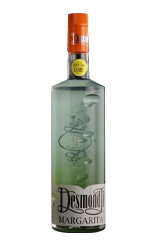
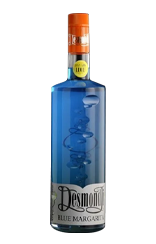
Desmondji Margarita - 750 ml
₹ 1.00
Others Price List in City
Rum Products You Might Like
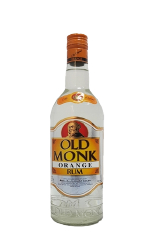
Old Monk Orange Rum - 750 ml
₹ 1.00
Latest Updates
-
 Why Men’s Fertility Health Matters Just As Much As Women’s In IVF
 -
 World Hepatitis Day 2026: Date, Theme, History, Significance, And More
 -
 Tattoo Regret Is Rising: What Plastic Surgeons Want You to Know Before You Remove Your Ink
 -
 What Is E20 Janta Party: The Meme Movement Taking On India's Ethanol Fuel Policy
 -
 Indian Idol 16: Winner, Runner-Ups, Cash Prize, and Everything Else You Need to Know
 Continue with Google