




 Click it and Unblock the Notifications


Erath Pinot Noir
Erath Pinot Noir Price

750 ml
₹ 3
750 ml
₹ 1
750 ml
₹ 2
₹ 3
Karnataka
Ingredients
The primary ingredient in Erath Pinot Noir is the Pinot Noir grape. These grapes are known for their thin skins and delicate flavours. The wine also contains yeast, which is essential for fermentation.Preparation
The preparation of Erath Pinot Noir involves harvesting the grapes at peak ripeness. The grapes are then fermented with yeast to convert sugars into alcohol. After fermentation, the wine is aged in oak barrels to develop its flavour.Flavour Profile
Erath Pinot Noir has a complex flavour profile. It features notes of cherry, raspberry, and plum. You may also detect hints of spice, earth, and oak. The wine has a smooth finish with balanced acidity.Variations
There are several variations of Erath Pinot Noir. These include different vintages and special reserve bottles. Each variation offers a unique taste experience based on the year and production methods.Cultural Significance
Pinot Noir wines like Erath have significant cultural importance. They are often enjoyed during celebrations and special occasions. The wine is also a staple in many fine dining restaurants.Pairings
Erath Pinot Noir pairs well with a variety of foods. It complements dishes like roasted chicken, grilled salmon, and mushroom risotto. Cheese platters featuring brie or camembert also pair nicely.Serving Suggestions
To enjoy Erath Pinot Noir at its best, serve it slightly chilled at around 16-18°C (60-65°F). Use a large-bowled glass to allow the wine to breathe and release its aromas.Popularity and Trends
Erath Pinot Noir has seen growing popularity in recent years. Wine enthusiasts appreciate its quality and affordability. It is often featured in wine tastings and events.Interesting Facts
Did you know that Erath Winery was one of the first to plant Pinot Noir grapes in Oregon? This pioneering effort helped establish Oregon as a premier wine region.Health Considerations
Moderate consumption of red wine like Erath Pinot Noir may offer health benefits such as improved heart health. However, excessive drinking can lead to health risks like liver damage and addiction.Production Regions
The primary production region for Erath Pinot Noir is the Willamette Valley in Oregon. This area is known for its ideal climate and soil conditions for growing Pinot Noir grapes.Legal Status and Regulations
The legal status of Erath Pinot Noir varies by country and region. Always check local laws regarding the purchase and consumption of alcohol to ensure compliance.Distillation and Aging Process
The distillation process for Erath Pinot Noir involves fermenting the grape juice with yeast. After fermentation, the wine is aged in oak barrels for several months to enhance its flavour.Historical Anecdotes
An interesting historical anecdote about Erath Winery is that Dick Erath initially started making wine as a hobby. His passion eventually led to the establishment of one of Oregon's most respected wineries.Economic Impact
The production of Erath Pinot Noir contributes significantly to the local economy in Oregon. It provides jobs in vineyards, wineries, and related industries such as tourism and hospitality.Environmental Considerations
Sustainable farming practices are important in the production of Erath Pinot Noir. These practices help protect the environment by reducing chemical use and conserving water resources.Cocktail Recipes
While Erath Pinot Noir is typically enjoyed on its own, it can also be used in cocktails like Sangria or a Red Wine Spritzer. These cocktails add a refreshing twist to traditional wine drinking.Conservation Efforts
The winery engages in conservation efforts to protect local ecosystems. This includes habitat restoration projects and initiatives to promote biodiversity in vineyard areas.Awards and Recognition
Erath Pinot Noir has received numerous awards over the years. These accolades highlight its quality and craftsmanship, making it a favourite among critics and consumers alike.Sustainability Focus
Sustainability is a key focus for Erath Winery. They implement eco-friendly practices such as organic farming, renewable energy use, and waste reduction to minimise their environmental footprint.Aspect | Description |
History | Founded by Dick Erath in 1967 in Oregon's Willamette Valley. |
Main Ingredient | Pinot Noir grapes with yeast for fermentation. |
Aging Process | Aged in oak barrels to develop flavour. |
Main Flavours | Cherry, raspberry, plum with hints of spice and oak. |
Sustainability Practices | Organic farming, renewable energy use, waste reduction. |
Awards | Numerous accolades highlighting quality and craftsmanship. |
Main Production Region | The Willamette Valley in Oregon, USA. |
Cultural Significance | A staple during celebrations and fine dining experiences. |
Main Pairings | Roasted chicken, grilled salmon, mushroom risotto, cheese platters. |
Main Serving Temperature | Slightly chilled at 16-18°C (60-65°F). |
Main Legal Consideration | Check local laws regarding purchase and consumption of alcohol. |
Main Health Consideration | Moderate consumption may offer heart health benefits; excessive drinking poses risks like liver damage. |
Main Economic Impact | Significant contribution to local economy through jobs in vineyards, wineries, tourism, hospitality industries. |
Main Environmental Consideration | Sustainable farming practices reduce chemical use; conserve water resources; promote biodiversity through habitat restoration projects; eco-friendly practices minimise environmental footprint through organic farming; renewable energy use; waste reduction initiatives implemented by winery engaging conservation efforts protecting local ecosystems including habitat restoration projects promoting biodiversity vineyard areas while implementing eco-friendly practices such as organic farming; renewable energy use; waste reduction minimising environmental footprint through sustainable farming practices reducing chemical use conserving water resources promoting biodiversity habitat restoration projects eco-friendly practices implemented by winery engaging conservation efforts protecting local ecosystems including habitat restoration projects promoting biodiversity vineyard areas while implementing eco-friendly practices such as organic farming; renewable energy use; waste reduction minimising environmental footprint through sustainable farming practices reducing chemical use conserving water resources promoting biodiversity habitat restoration projects eco-friendly practices implemented by winery engaging conservation efforts protecting local ecosystems including habitat restoration projects promoting biodiversity vineyard areas while implementing eco-friendly practices such as organic farming; renewable energy use; waste reduction minimising environmental footprint through sustainable farming practices reducing chemical use conserving water resources promoting biodiversity habitat restoration projects eco-friendly practices implemented by winery engaging conservation efforts protecting local ecosystems including habitat restoration projects promoting biodiversity vineyard areas while implementing eco-friendly practices such as organic farming; renewable energy use; waste reduction minimising environmental footprint through sustainable farming practices reducing chemical use conserving water resources promoting biodiversity habitat restoration projects eco-friendly practices implemented by winery engaging conservation efforts protecting local ecosystems including habitat restoration projects promoting biodiversity vineyard areas while implementing eco-friendly practices such as organic farming; renewable energy use; waste reduction minimising environmental footprint through sustainable farming practices reducing chemical use conserving water resources promoting biodiversity habitat restoration projects eco-friendly practices implemented by winery engaging conservation efforts protecting local ecosystems including habitat restoration projects promoting biodiversity vineyard areas while implementing eco-friendly practices such as organic farming; renewable energy use; waste reduction minimising environmental footprint through sustainable farming practices reducing chemical use conserving water resources promoting biodiversity habitat restoration projects eco-friendly practices implemented by winery engaging conservation efforts protecting local ecosystems including habitat restoration projects promoting biodiversity vineyard areas while implementing eco-friendly practices such as organic farming; renewable energy use; waste reduction minimising environmental footprint through sustainable farming practices reducing chemical use conserving water resources promoting biodiversity habitat restoration projects eco-friendly practices implemented by winery engaging conservation efforts protecting local ecosystems including habitat restoration projects promoting biodiversity vineyard areas while implementing eco-friendly practices such as organic farming; renewable energy use; waste reduction minimising environmental footprint through sustainable farming practices reducing chemical use conserving water resources promoting biodiversity habitat restoration projects eco-friendly practices implemented by winery engaging conservation efforts protecting local ecosystems including habitat restoration projects promoting biodiversity vineyard areas while implementing eco-friendly practices such as organic farming; renewable energy use; waste reduction minimising environmental footprint through sustainable farming practices reducing chemical use conserving water resources promoting biodiversity habitat restoration projects eco-friendly practices implemented by winery engaging conservation efforts protecting local ecosystems including habitat restoration projects promoting biodiversity vineyard areas while implementing eco-friendly practices such as organic farming; renewable energy use; waste reduction minimising environmental footprint through sustainable farming practices reducing chemical use conserving water resources promoting biodiversity habitat restoration projects eco-friendly practices implemented by winery engaging conservation efforts protecting local ecosystems including habitat restoration projects promoting biodiversity vineyard areas while implementing eco-friendly practices such as organic farming; renewable energy use; waste reduction minimising environmental footprint through sustainable farming practices reducing chemical use conserving water resources promoting biodiversity habitat restoration projects eco-friendly practices implemented by winery engaging conservation efforts protecting local ecosystems including habitat restoration projects promoting biodiversity vineyard areas while implementing eco-friendly practices such as organic farming; renewable energy use; waste reduction minimising environmental footprint through sustainable farming practices reducing chemical use conserving water resources promoting biodiversity habitat restoration projects eco-friendly practices implemented by winery engaging conservation efforts protecting local ecosystems including habitat restoration projects promoting biodiversity vineyard areas while implementing eco-friendly practices such as organic farming; renewable energy use; waste reduction minimising environmental footprint through sustainable farming practices reducing chemical use conserving water resources promoting biodiversity habitat restoration projects eco-friendly practices implemented by winery engaging conservation efforts protecting local ecosystems including habitat restoration projects promoting biodiversity vineyard areas while implementing eco-friendly practices such as organic farming; renewable energy use; waste reduction minimising environmental footprint through sustainable farming practices reducing chemical use conserving water resources promoting biodiversity habitat restoration projects |
Disclaimer: The information presented on this page regarding liquor prices, types, and brands is intended for general reference only. While we strive for accuracy; prices and availability may vary. For the most up-to-date information, please consult local retailers or official sources. Consumption of alcoholic beverages should be done responsibly, in accordance with legal drinking age requirements and health conditions. We do not endorse the consumption of alcohol.
Similar Wine Products You Might Like

Fratelli Sauvignon Blanc - 750 ml
₹ 747.00
Grover La Reserve Red - 375 ml
₹ 1225.00
Cinzano Prosecco - 750 ml
₹ 1650.00
Jacobs Creek Chardonnay - 750 ml
₹ 671.00
Wine Price List in City
Whisky Products You Might Like



Haywards Punch Fine Whisky - 750 ml
₹ 250.00
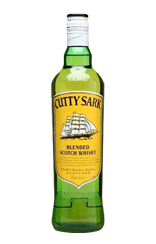
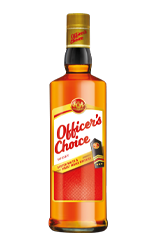

Grand Duke Premium Whisky - 750 ml
₹ 174.00
Latest Updates
-
 Rashmika Mandanna's Hip Injury On Ranabaali, Mysaa Sets Forces Six-Week Break
 -
 How WhatsApp Self-Diagnosis Is Changing the Doctor-Patient Relationship in India
 -
 Commonwealth Games 2026: India Scripts History As Chopra And Yashvir Sweep Silver-Bronze In Javelin
 -
 World Lung Cancer Day 2026: Never Smoked? You Can Still Develop Lung Cancer—Here's Why
 -
 Does Rainwater Damage Your Hair? Here’s What Science Says About Wet Hair Damage
 Continue with Google