




 Click it and Unblock the Notifications


Choice
Choice Price

180 ml
₹ 120
375 ml
₹ 240
750 ml
₹ 480
₹ 480
Chhattisgarh
Ingredients
Common ingredients in alcoholic drinks include grains like barley and wheat for beer, grapes for wine, and sugarcane for rum. Herbs and spices can add flavour. Water is essential in the brewing process. Yeast plays a crucial role in fermentation, converting sugars into alcohol.Preparation
The preparation of alcoholic drinks involves fermentation. This process converts sugars into alcohol using yeast. Some drinks undergo distillation to increase alcohol content. Aging in barrels can enhance flavour, especially in spirits like whiskey.Flavour Profile
The flavour of an alcoholic drink depends on its ingredients and preparation. Beer can be bitter or sweet, depending on hops and malt used. Wine flavours range from fruity to dry. Spirits like whiskey have smoky or woody notes from aging.Variations
Alcoholic drinks come in many variations. Beer includes lagers and ales. Wine has red, white, and rosé types. Spirits include whiskey, vodka, rum, and gin. Each type offers different taste experiences.Cultural Significance
Alcoholic drinks hold cultural significance worldwide. They are part of celebrations, rituals, and social gatherings. In some cultures, they symbolize hospitality or religious traditions.Pairings
Pairing food with alcoholic drinks enhances the dining experience. Red wine pairs well with red meat; white wine complements fish or chicken. Beer can be paired with spicy foods or burgers.Serving Suggestions
Serving temperature affects the taste of alcoholic drinks. Beer is best served chilled; red wine at room temperature; white wine slightly cooler. Glassware also matters: wine glasses for wine, pint glasses for beer.Popularity and Trends
The popularity of alcoholic drinks changes over time. Craft beers have gained popularity recently. There is also a growing interest in organic wines and low-alcohol beverages.Interesting Facts
Did you know that champagne was discovered by accident? Or that the oldest known recipe is for beer? These facts highlight the fascinating history of alcoholic beverages.Health Considerations
Alcohol consumption has potential benefits and risks. Moderate drinking may reduce heart disease risk but excessive drinking can harm health. It's important to drink responsibly.Production Regions
Certain regions are famous for specific alcoholic drinks: France for wine, Scotland for whiskey, Mexico for tequila. Climate and geography influence production quality.Legal Status and Regulations
Laws regarding alcohol vary by country and region. It's important to check local regulations before purchasing or consuming alcohol.Distillation and Aging Process
Distillation increases alcohol content by heating fermented liquid to separate alcohol from water. Aging in barrels adds complexity to spirits like whiskey.Economic Impact
The alcohol industry contributes significantly to economies through job creation and tax revenue. It supports agriculture by sourcing ingredients from local farmers.Environmental Considerations
Sustainable practices in alcohol production are gaining attention. Some producers focus on reducing water usage or using renewable energy sources.Cocktail Recipes
Cocktails combine different alcoholic drinks with mixers like juice or soda. Classic recipes include margaritas, mojitos, and martinis.Awards and Recognition
Awards celebrate excellence in the alcohol industry. Competitions judge taste, quality, and innovation in various categories like beer or spirits.Sustainability Focus
Sustainability is becoming important in the alcohol industry. Producers aim to reduce environmental impact through eco-friendly practices like recycling packaging materials.Choice FAQs
What are the main ingredients in alcoholic drinks?
How does fermentation work in alcohol production?
Why do alcoholic drinks have cultural significance?
What factors influence the flavour of alcoholic drinks?
What are some popular trends in alcoholic beverages today?
Disclaimer: The information presented on this page regarding liquor prices, types, and brands is intended for general reference only. While we strive for accuracy; prices and availability may vary. For the most up-to-date information, please consult local retailers or official sources. Consumption of alcoholic beverages should be done responsibly, in accordance with legal drinking age requirements and health conditions. We do not endorse the consumption of alcohol.
Similar Whisky Products You Might Like
Suntory Whisky Toki - 700 ml
₹ 4800.00
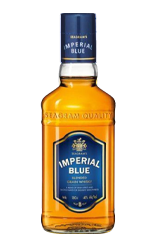
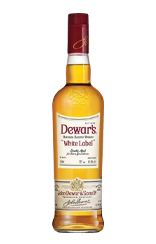
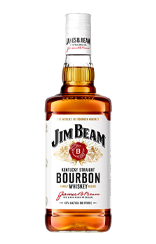
Vodka Products You Might Like
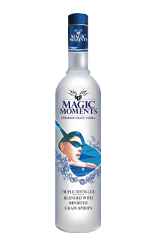
Uluvka Vodka - 700 ml
₹ 5780.00
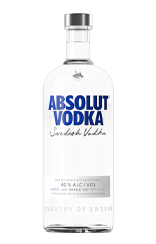
Absolut Vodka - 750 ml
₹ 2270.00
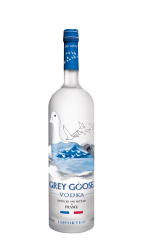
Grey Goose Vodka - 750 ml
₹ 3550.00
Latest Updates
-
 Screen Time, Stress And Sleep: Are Modern Lifestyles Silently Affecting Brain Health?
 -
 August 2026 Important Days And Events: Complete List Of National And International Observances This Month
 -
 7.1-Magnitude Earthquake Strikes Japan: 10 Emergency Go-Bag Essentials Every Home Should Have
 -
 Cotton vs Linen vs Chanderi: Which Fabric Is Best For Monsoon?
 -
 Guru Purnima 2026: Spiritual Healer Ayush Gupta Shares What to Expect This Full Moon For All Zodiac Signs
 Continue with Google