




 Click it and Unblock the Notifications


Calcutta Gin
Calcutta Gin Price

750 ml
₹ 890
₹ 890
West Bengal
Ingredients
The primary ingredients of Calcutta Gin include juniper berries, coriander seeds, angelica root, and citrus peels. Unique to this gin are Indian spices like cardamom and cinnamon. These ingredients give it a distinctive flavour.Preparation
Calcutta Gin is prepared through a meticulous distillation process. The botanicals are steeped in a neutral spirit before being distilled. This process ensures the extraction of essential oils and flavours from the botanicals.Flavour Profile
The flavour profile of Calcutta Gin is complex yet balanced. It has a strong juniper base with hints of citrus and spice. The Indian spices add warmth and depth to the gin, making it unique.Variations
There are several variations of Calcutta Gin available. Some versions include additional botanicals like lemongrass or ginger. These variations offer different flavour experiences while maintaining the essence of the original gin.Cultural Significance
Calcutta Gin holds cultural significance in India. It represents a blend of British and Indian influences. The gin is often enjoyed during festivals and celebrations, symbolising a fusion of cultures.Pairings
Calcutta Gin pairs well with various foods. It complements spicy Indian dishes like curry and biryani. It also goes well with seafood and light appetisers, enhancing the dining experience.Serving Suggestions
Calcutta Gin can be enjoyed in many ways. It is commonly served with tonic water and a slice of lime. It can also be used in cocktails like gin and tonic or martini for a refreshing drink.Popularity and Trends
The popularity of Calcutta Gin has been on the rise globally. It is appreciated for its unique flavour and cultural heritage. Many bars and restaurants now feature it on their menus, catering to gin enthusiasts.Interesting Facts
An interesting fact about Calcutta Gin is that it was one of the first gins to incorporate Indian spices. This innovation set it apart from other gins and contributed to its distinct identity.Health Considerations
Like all alcoholic drinks, Calcutta Gin should be consumed in moderation. Some studies suggest that moderate consumption may have health benefits like improved heart health. However, excessive drinking can lead to health risks such as liver damage.Production Regions
Calcutta Gin is primarily produced in Kolkata, India. However, due to its popularity, production has expanded to other regions within India and internationally.Legal Status and Regulations
The legal status of Calcutta Gin varies by country. In India, it is regulated under the Excise Act. Consumers should check local laws regarding the purchase and consumption of alcoholic beverages.Distillation and Aging Process
The distillation process for Calcutta Gin involves multiple stages to ensure purity and quality. Unlike some spirits, gin is not aged but rather bottled immediately after distillation to preserve its fresh flavours.Historical Anecdotes
A historical anecdote about Calcutta Gin involves its popularity among British officers during colonial times. They often mixed it with tonic water to combat malaria, leading to the creation of the classic gin and tonic cocktail.Economic Impact
The production and sale of Calcutta Gin contribute significantly to the local economy in Kolkata. It provides employment opportunities in distilleries and boosts tourism as visitors come to experience its unique taste.Environmental Considerations
The production of Calcutta Gin involves sourcing botanicals sustainably. Efforts are made to minimise environmental impact by using eco-friendly practices in cultivation and distillation processes.Cocktail Recipes
Cocktail Name | Ingredients | Preparation Method |
Calcutta Martini | 60ml Calcutta Gin, 15ml Dry Vermouth, Olive or Lemon Twist | Stir ingredients with ice, strain into a chilled glass, garnish with olive or lemon twist. |
Bengal Breeze | 45ml Calcutta Gin, 30ml Pineapple Juice, 15ml Lime Juice, Soda Water | Shake gin, pineapple juice, lime juice with ice; strain into glass; top with soda water. |
Awards and Recognition
Calcutta Gin has received several awards for its quality and unique flavour profile. It has been recognised at international spirits competitions for its excellence in craftsmanship.Sustainability Focus
The Calcutta Gin industry places a strong emphasis on sustainability practices. This includes using organic botanicals and implementing energy-efficient distillation methods to reduce carbon footprint.Disclaimer: The information presented on this page regarding liquor prices, types, and brands is intended for general reference only. While we strive for accuracy; prices and availability may vary. For the most up-to-date information, please consult local retailers or official sources. Consumption of alcoholic beverages should be done responsibly, in accordance with legal drinking age requirements and health conditions. We do not endorse the consumption of alcohol.
Similar Gin Products You Might Like
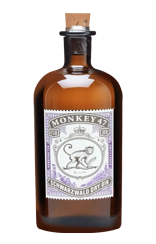
Monkey 47 Schwarzwald Dry Gin - 500 ml
₹ 4955.00
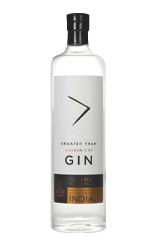
Greater Than London Dry Gin - 750 ml
₹ 1960.00
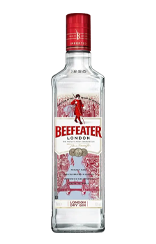
Beefeater London Dry Gin - 750 ml
₹ 2820.00
Tanqueray London Dry Gin - 750 ml
₹ 3030.00
Gin Price List in City
Vodka Products You Might Like
Ciroc Snap Frost Vodka - 750 ml
₹ 5440.00
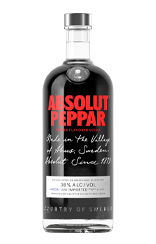

Grey Goose Vodka - 750 ml
₹ 5630.00
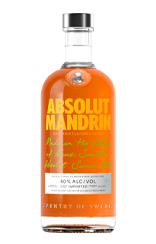
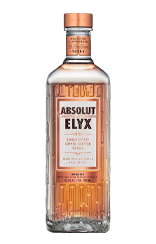
Absolut Elyx Vodka - 750 ml
₹ 5630.00
Latest Updates
-
 Screen Time, Stress And Sleep: Are Modern Lifestyles Silently Affecting Brain Health?
 -
 August 2026 Important Days And Events: Complete List Of National And International Observances This Month
 -
 7.1-Magnitude Earthquake Strikes Japan: 10 Emergency Go-Bag Essentials Every Home Should Have
 -
 Cotton vs Linen vs Chanderi: Which Fabric Is Best For Monsoon?
 -
 Guru Purnima 2026: Spiritual Healer Ayush Gupta Shares What to Expect This Full Moon For All Zodiac Signs
 Continue with Google