




 Click it and Unblock the Notifications


Latest Updates
-
 PM Narendra Modi Marks 25 Years In Government With Prayers At Delhi’s Historic Shri Vinayak Temple
 -
 Indian Air Force Day 2026: Inside The 94th Anniversary Celebrations, Theme, History And Air Displays
 -
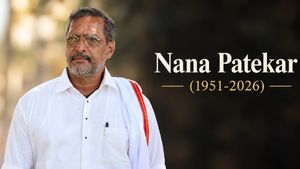 Nana Patekar Passes Away At 75: Veteran Bollywood Actor’s Last Public Appearance Video Goes Viral
 -
 Masik Shivratri October 2026: Why This Sacred Night Is Significant For Lord Shiva Devotees
 -
 Guru Pradosh Vrat 2026: Know The Puja Timings, Fasting Rules And Shiva Worship Rituals
 -
 The Screen–Snack Connection: Expert Explains How Screen Time Changes Kids' Eating
 -
 Vijay Deverakonda Says Rashmika Mandanna Tells Him ‘I Love You’ 10-15 Times A Day — A Psychologist Explains
 -
 Culturally Matched NDIS Support in Melbourne: Where to Start
 -
 58-Year-Old DonnaJean Wilde's Plank Record: 4 Benefits For Women 50+
 -
 Navratri 2026: Can You Exercise While Fasting? A Doctor Says What To Keep In Mind


The Conversation India Needs: Breaking Silence Around Safe Abortion

On April 13, 2026, the Pratigya Campaign for Gender Equality and Safe Abortion convened a media roundtable, bringing together voices from public health, advocacy, and journalism. The aim was clear: to address gaps in awareness, challenge prevailing narratives, and explore how the media can play a more responsible role in shaping conversations around safe abortion access in India.
The debate transcended from the surface issues, concentrating instead on the barriers that persist to impede women's access to a legal and safe abortion service. The participants discussed at length how ignorance, misconceptions, and stigma often prevent people from seeking timely assistance despite what may be permissible by law.

Reframing Abortion as a Public Health Issue
One of the critical themes that came out during the discussion was that there was an immediate necessity for redefining how the media should report on abortion. The emphasis was that abortion should be treated as a public health issue and a rights issue, not a sensational one.
Responsible reporting, they noted, has the power to normalise abortion as healthcare, counter misinformation, and bring real experiences to the forefront. Moving away from dramatic narratives toward evidence-based storytelling can help bridge the gap between what the law allows and what people actually experience on the ground.
Voices From the Experts & Media
The roundtable also featured insights from speakers and participants who engaged with the issue beyond headlines, reflecting on their role in shaping public perception.
"We need to create safe spaces and meaningful programmes in schools where young people can openly talk about these issues. In Rajasthan, we are already seeing parents and teachers actively supporting our campaign, which is a very positive sign and encourages us to spread more awareness," said Debanjana Choudhari, Gender Rights Activist (CAG member).
"In our society, perspectives may differ, but the first step is to understand that abortion is a medical matter. It should not be surrounded by taboo, stigma, or shame," added Ashutosh Kaushik, CEO, FRHS India.
BoldSky's Team Lead, Vandana Singh Yaddav, who attended the event, highlighted the importance of nuanced storytelling in this space. She said, "The media can play a crucial role as a barrier breaker by creating more expert-led awareness content. It can help people access complete and authentic information through credible and reliable sources."
The Numbers Tell a Story

Recent data shared during the discussion highlighted a significant rise in reported abortions in India. Data collected by the Ministry of Health and Family Welfare through their Health Management Information System (HMIS) showed an increase in abortions from 5.34 lakh in 2020-21 to 8.93 lakh in 2024-25, which is more than a 67% increase in five years.
The numbers have shown a steady yearly increase, with 5.93 lakh cases in 2021-22, 7.11 lakh in 2022-23, and 8.01 lakh in 2023-24.
However, these official figures capture only part of the reality. According to a 2017 article in the journal The Lancet, it is estimated that roughly 1.5 crore abortions are carried out in India each year, with almost half of them being unwanted pregnancies.
Looking Ahead
The conversation made one thing clear: access to safe abortion is not just a policy issue, but a communication challenge as well. Improving media participation, promoting responsible reporting, and facilitating constructive discussions can all add up to a reimagining of abortion in India. Sometimes, it starts by changing the story.

 Continue with Google

