




 Click it and Unblock the Notifications


Latest Updates
-
 Eat, Celebrate, Repeat: 6 Ayurvedic Tips To Keep Your Digestion Happy This Navratri 2026
 -
 Breast Cancer Awareness Month 2026: Expert Explains The Emotional Toll Of Breast Cancer
 -
 Navratri 2026 Food Hopping In Delhi NCR: 7 Places To Explore For A Taste Of Festive Flavours
 -
 Why Casual Games Are Perfect for Quick Online Play
 -
 World Menopause Day 2026: Theme, Significance And What Research Reveals About Menopause In India
 -
 Navratri Day 8: Maa Mahagauri Puja, Colour, Rituals And Significance
 -
 Dussehra 2026: The Difference Between Vijayadashami And Ravana Dahan
 -
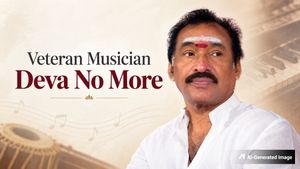 Veteran Musician Deva Dies At 75: Life And Legacy Of Thenisai Thendral
 -
 Navratri Fasting Diet: How To Stay Energised And Full Through The Day
 -
 Kavya Maran Wedding In Greece? Date, Venue, and What Is Confirmed


Shots Fired At Elvish Yadav’s Home, Gang Claims Responsibility: The Dark Side Of Influencer Promotions

This August 17, 2025, the booming cultural influence of Indian YouTuber and Bigg Boss OTT 2 winner Elvish Yadav collided with a harsh reality: his Gurugram residence came under fire in a brazen pre-dawn shooting. Around 25-30 bullets shattered glass and walls but fortunately left no injuries, as Elvish was away and only his family and a caretaker were home.
Soon after, a group identifying itself as the 'Himanshu Bhau' gang claimed responsibility. Their alleged motive? Retaliation against influencers promoting betting apps and online platforms that they claimed were misleading the youth. Whether genuine or opportunistic, the claim forced a larger conversation to the forefront; about the risks of influencer culture, online ethics, and the dangers of real-world violence bleeding into the digital stage. It raises a pressing question for modern creators: how do fame, income, and responsibility intersect and where does one draw the line?

Violence Is Never the Answer
While the shooting at Elvish Yadav's home has sparked debate about influencer promotions, it must be made absolutely clear that violence is not the way to respond. No matter the grievances against endorsements or digital practices, taking up arms and threatening lives cannot be justified. Acts like these by self-proclaimed groups or individuals only spread fear and deepen divides.
The path to accountability lies in lawful regulation, open dialogue, and ethical responsibility, not intimidation or bullets. If anything, such violence distracts from the real issues and undermines the possibility of constructive change.
VIDEO | Gurugram: YouTuber Elvish Yadav’s father, Ram Avtar Yadav, claims that three miscreants fired around 25–30 rounds at their residence in Gurugram. He says, “The police administration is doing its job well. Our family was present at home when the Firing incident happened. I… pic.twitter.com/4gcWnPOth9
— Press Trust of India (@PTI_News) August 17, 2025
The Hidden Cost Of Digital Stardom
In today's influencer economy, fame isn't just about followers, it's revenue. Many creators are being lured into promoting betting apps and platforms, often without fully grasping the risks of endorsing unlawful or potentially exploitative services.
The Central Consumer Protection Authority (CCPA) has been clear: Promoting betting and gambling is illegal in many regions across India and prohibited, celebrities who do so are equally liable. The Ministry of Information & Broadcasting (MIB) have echoed these warnings, so that influencers and advertising intermediaries should refrain from such content, with violations potentially leading to penalties or even legal proceedings.
Enforcement agencies have already started cracking down, filing cases against dozens of influencers and actors for allegedly promoting betting apps. Recent news exposes the growing crackdown-the Enforcement Directorate (ED) has registered ECIRs (Enforcement Case Information Reports) against 29 influencers and actors, such as Prakash Raj, Nidhi Agarwal, and Manchu Lakshmi, under the Prevention of Money Laundering Act (PMLA) for allegedly promoting illegal betting platforms. These developments suggest this is not a fringe issue-it's systemic, and potentially fueled by lucrative pay-outs.
Why Dangerous Platforms Pay So Much
With limited regulation and high margins, betting platforms aggressively court influencers with enormous sums. Payouts can reach staggering amounts, sometimes in the range of several lakhs to crores, simply for inserting app links in bios or creating promotional content.
A report reveals payouts reaching ₹50 lakh per month, and in some cases, ₹2 crore per week, to creators who insert app links in bios or make promotional content. This flow of untrackable, high-margin cash incentivizes unethical advertising. Many influencers rationalize the risk until the consequences escalate: legal scrutiny, public backlash, or even threats to personal safety.
Beyond Enforcement, Cutting Through The Ethics
It's clear that enforcement alone isn't enough. A sustainable, responsible approach requires both structural reform and cultural shifts:
Stricter Self-Regulation: Industry bodies could be bolstered to proactively audit influencer endorsements and enforce compliance with ethical codes.
Public Disclosure Norms: Influencers must clearly declare sponsored content, ensuring transparency and accountability.
Education & Awareness: Many creators lack awareness about the legal and moral implications of what they promote. Media literacy and ethical training need to be integral parts of influencer development.
Regulated Alternatives: Rather than pushing influencers toward illicit gray zones, platforms should encourage transparent campaigns with socially responsible brands.
Safety Through Accountability Not Silence
The shooting at Elvish Yadav's home shouldn't reduce us to mere spectators in an online spectacle. Instead, it should catalyze a deeper conversation: about the responsibilities of digital fame, the ethics behind influencer economies, and the dangers of profiteering at cultural and moral costs.

Influencers don't just shape trends-they influence perceptions, behaviours, even safety. True influence isn't just about reach, it's about respect.

 Continue with Google

