




 Click it and Unblock the Notifications


Latest Updates
-
 As ‘Ranabaali’ Hits Theatres, A Look At Rashmika Mandanna’s ₹1.31 Lakh Ivory Saree For Pre-Release Promotions
 -
 Durga Puja Pandals Mumbai 2026: 7 Stunning Celebrations To Explore From Matunga To Juhu
 -
 World Spine Day 2026: Is Your Phone Habit Causing Neck Pain? What To Know About Tech Neck
 -
 Breast Cancer Awareness Month 2026: Expert Explains Why Family History Isn't the Only Risk
 -
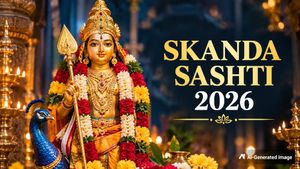 Skanda Sashti 2026: Significance, Vrat Rituals And How Devotees Observe The Day
 -
 Saraswati Avahan 2026: Significance, Shubh Muhurat, Rituals And Puja Vidhi
 -
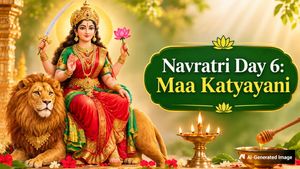 Navratri Day 6: Maa Katyayani Puja, Colour, Rituals, And Significance
 -
 Garba Before The DJ Era: What Navratri Looked Like In Earlier Times
 -
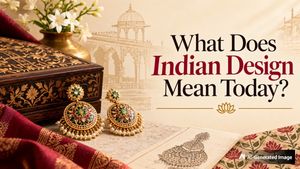 What Does Indian Design Mean Today? A Creative Director Explains
 -
 Why Your Vision Can Feel Different In Bright And Dim Rooms, Expert Explains


Remo D’Souza Remembers ‘Sholay’: Iconic Dialogues That Continue To Inspire Generations

Choreographer and filmmaker Remo D'Souza recently shared a nostalgic memory from his childhood, revealing how he became deeply enamored with the iconic Bollywood film 'Sholay' that recently celebrated its 50th anniversary. He recalled that during the film's release, he did not have access to theaters in his area. About a year or two later, audio cassettes of the film became available. Remo would listen to these cassettes repeatedly, immersing himself in the dialogues until he had them all memorized. He mentioned, "For several years, I used to just listen to 'Sholay', and I had all the dialogues of the film by heart."
This anecdote underscores the profound impact 'Sholay' had on audiences, transcending the limitations of access and becoming a cherished part of Indian cinematic culture. Now, let's take a look at some of the most iconic dialogues from 'Sholay' that have become timeless classics in Indian cinema.

Gabbar Singh: The Villain Who Redefined Fear

"Arre o Sambha, kitne aadmi the?"
A line that redefined how a villain could command fear. With just this question, Gabbar established his authority and sent chills through audiences.
"Ye haath humko de de Thakur!"
A demand soaked in cruelty. It wasn't just about Thakur's hands - it was about stripping away his dignity. The raw power of this moment is why Gabbar remains Bollywood's most feared villain.
"Yahan se pachaas kos door gaon mein, jab bachcha raat ko rota hai, toh maa kehti hai... soo ja, nahi toh Gabbar aa jaayega."
This dialogue elevated Gabbar from reel villain to folklore. Even today, mothers jokingly use it to quiet their children - proof of how deeply it entered cultural memory.
Jai: The Man Of Few But Sharp Words

"Tumhara naam kya hai, Basanti?"
Delivered with Jai's trademark sarcasm, this was pure wit when Basanti had already introduced herself dramatically, and Jai undercut her with this dry, mocking question.
"Kya karoon Mausi, mera toh dil hi kuch aisa hai."
Another sarcastic gem. After listing all of Veeru's flaws but still managing to say only good things about him while pitching for his friend's marriage proposal, Basanti's grandmother compliments him. Jai sweetly covers it up with this line. A clever way of poking fun while still charming Mausi.
Veeru: The Heart, Humor, And Drama

"When I dead, police coming... police coming, budiya going jail... chakki peesing & peesing & peesing."
Veeru's drunken monologue from atop the water tank is pure comedy gold. His broken English and exaggerated threats made this scene unforgettable, and it continues to be quoted whenever someone wants to act overly dramatic.
"Kutte kamine, mein tera khoon pee jaunga."
Veeru's fearless and fiery challenge to Gabbar Singh. Delivered in a moment of anger and courage, this line perfectly captures Veeru's bold and spirited personality, making it one of his most memorable confrontations with the villain.
"Basanti, in kutto ke saamne mat naachna!"
This emotional plea is one of Dharmendra's most powerful moments in the film. A mix of anger, helplessness, and love, it highlighted Veeru's protective nature. Over time, it has also turned into a popular humorous reference line.
Thakur: Authority And Gravitas

"Ramgarh waalon ne paagal kutto ke samne roti dalna band kar diya hai."
Thakur's gravitas gave this line unforgettable weight. It highlighted his stern authority and no-nonsense approach in rallying Ramgarh against Gabbar.
"Loha abhi garam hai, maar do hathoda."
Thakur delivers this line to Gabbar with strategic insight and timing, symbolizing his courage and cleverness in confronting the villain.

The enduring legacy of Sholay lies not just in its storytelling and performances but also in its dialogues, which have become ingrained in the cultural fabric of India. From Gabbar Singh's menacing threats to Veeru's comedic antics, Jai's sharp wit, and Thakur's commanding presence, these lines continue to resonate with audiences. Even decades later, they inspired a young Remo D'Souza to memorize every word, illustrating just how deeply the film has touched generations and why its dialogues remain timeless icons of Indian cinema.

 Continue with Google

