




 Click it and Unblock the Notifications


Latest Updates
-
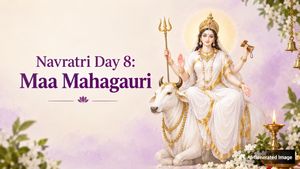 Navratri Day 8: Maa Mahagauri Puja, Colour, Rituals And Significance
 -
 Dussehra 2026: The Difference Between Vijayadashami And Ravana Dahan
 -
 Veteran Musician Deva Dies At 75: Life And Legacy Of Thenisai Thendral
 -
 Navratri Fasting Diet: How To Stay Energised And Full Through The Day
 -
 Kavya Maran Wedding In Greece? Date, Venue, and What Is Confirmed
 -
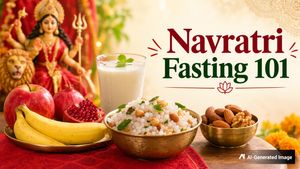 Navratri Fasting 101: What To Eat, What To Skip, And How To Avoid Acidity And Headaches
 -
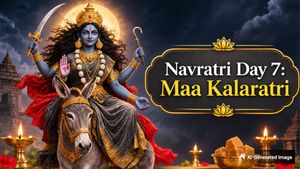 Navratri Day 7: Maa Kalaratri Puja, Colour, Rituals And Significance
 -
 Office To Dandiya Nights: One Quick-Change Outfit Formula For Navratri 2026
 -
 As ‘Ranabaali’ Hits Theatres, A Look At Rashmika Mandanna’s ₹1.31 Lakh Ivory Saree For Pre-Release Promotions
 -
 Durga Puja Pandals Mumbai 2026: 7 Stunning Celebrations To Explore From Matunga To Juhu


Your Favourite Childhood Story May Be Misogynistic: Why Women Are Always Villains In Fairy Tales And Folklore

Let's be honest-if fairy tales were a corporate office, women would be heading HR, managing the kitchen, slaying in board meetings... and yet, still somehow getting blamed for everything.
Glass slipper missing? Stepmother's fault. The princess asleep for 100 years? Evil witch. Man cheats on his wife with a swan? Must've been a jealous woman who cursed him.

Why are women so frequently cast as the villains in stories meant to teach us morals and put us to sleep? What happened to the whole "sugar, spice, and everything nice" narrative?
Let's dig into the fairy dust, shall we?
1. The Stepmother Was Just Doing Her Best (With Zero Support)
Ah, the evil stepmother-possibly the most overworked, underappreciated trope in fairy tale history. She shows up in Cinderella, Snow White, Hansel and Gretel... and the only crime she commits is being not the dead mom.
Real talk: blended families are complex. But fairy tales reduce stepmothers to jealous, child-hating monsters with questionable fashion sense. Why? Because the birth mother had to stay saintly, so someone had to play bad cop. Enter: poor stepmom with a bad PR team.
2. Witches Were Just Women With Degrees... In Plants
Before "witch" became shorthand for "unmarried woman with strong opinions," many were midwives, herbalists, or healers. They knew how to treat fevers and deliver babies-which made them terrifying to a society where men couldn't even find a Band-Aid.
So instead of giving them Nobel Prizes, folks gave them broomsticks, warts, and exile. Nice.
3. Growing Old? Congratulations, You're Now A Villain
If you're a woman in a fairy tale, you're either young and beautiful, or old and evil. No middle ground. The second a female character hits menopause, she apparently develops the urge to hex people.
Think of the Queen in Snow White, or Mother Gothel in Rapunzel. Their biggest crime? Wanting to stay youthful or relevant. And yet, they're treated like they're plotting global doom.
4. Ambition = Evil (If You're a Woman)
When men want power in folklore, they become kings, warriors, or wise rulers. When women want power? They become manipulative enchantresses who must be stopped.
Look at characters like Manthara from the Ramayana or Circe from Greek myths. Clever, strategic, maybe a little sassy-and instantly labeled "dangerous." Apparently, female intelligence needs a warning label.
5. Being Single Is Not A Crime. Unless You're A Fairy Tale Woman
Ever noticed how the lone woman in the woods is never just a woman enjoying her solitude with some herbal tea? She's always a terrifying witch who eats kids or curses villages.
Fairy tales send a clear message: don't be single, don't be childless, and for heaven's sake, don't live alone with a cat. Or society will turn you into bedtime horror fuel.
6. Say No To A Man? Here, Have A Curse
In mythology, female characters who reject love or defy marriage often end up cursed, banished, or transformed into monsters. Think Surpanakha from the Ramayana-all she did was flirt. Next thing you know, she's mutilated and mocked in every retelling.
Folklore doesn't reward women for setting boundaries-it punishes them. Which explains a lot about modern dating, honestly.
7. Angry Mothers Aren't Allowed (But Angry Fathers Can Start Wars)
If a mother in a story shows grief, rage, or vengeance, she's instantly transformed into a "possessive spirit" or "demonic force." Think of movies like Maa or countless regional tales where grieving mothers are painted as unstable or evil.
But fathers? They can go full war mode for revenge, and it's called "righteous anger." Seems fair.
8. The Real Villain? Patriarchy Dressed As A Storyteller
All jokes aside, the recurring pattern is this: women who step outside traditional roles-who age, stay single, question power, or express desire-are branded as villains.
Folklore didn't just entertain. It taught generations how to behave. And when the stories are written by people afraid of powerful women, the message is clear: stay in your place, or face the broomstick treatment.
So, Were They Really Evil? Or Just... Misunderstood?
Today, storytellers are finally rewriting these characters. Maleficent got a backstory. Cruella got fashion trauma. Even Shurpanakha is getting feminist re-readings.
Turns out, the "evil woman" was often just a woman with agency. And that scared people more than any curse ever could.
Fairy tales may be make-believe, but the way they treat women? That's very real. Maybe it's time we gave the witches, stepmothers, and misunderstood mavens their redemption arcs-and let the real villains be outdated ideas, not strong women.

 Continue with Google

