




 Click it and Unblock the Notifications


Latest Updates
-
 Why Casual Games Are Perfect for Quick Online Play
 -
 World Menopause Day 2026: Theme, Significance And What Research Reveals About Menopause In India
 -
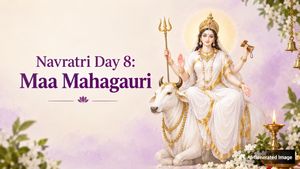 Navratri Day 8: Maa Mahagauri Puja, Colour, Rituals And Significance
 -
 Dussehra 2026: The Difference Between Vijayadashami And Ravana Dahan
 -
 Veteran Musician Deva Dies At 75: Life And Legacy Of Thenisai Thendral
 -
 Navratri Fasting Diet: How To Stay Energised And Full Through The Day
 -
 Kavya Maran Wedding In Greece? Date, Venue, and What Is Confirmed
 -
 Navratri Fasting 101: What To Eat, What To Skip, And How To Avoid Acidity And Headaches
 -
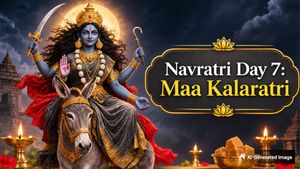 Navratri Day 7: Maa Kalaratri Puja, Colour, Rituals And Significance
 -
 Office To Dandiya Nights: One Quick-Change Outfit Formula For Navratri 2026


AIFW AW 2015: Paromita Banerjee's Up-Cycled Boro Collection

Day 3 of the ongoing Amazon India Fashion Week started with Paromita Banerjee's revisited 'Boro' Autumn/Winter collection. Loosely based on the concept of "BORO", mended or patched textiles are used as items of clothing in Japan by the peasants, merchants or artisans.
The collection shows a patchwork of stories with a distinct ethnic-contemporary look rooted in India and based on visual references from the Boro-Boro, mended and patched textiles of Japan, the Kimono, the fine weaves of the Dhakai Jamdani/muslin from Bengal, the textures of Malkha cotton and Khadi from the Gudi-Mudi project of Central India.

Her autumn winter 2015 collection revisits Boro of "too good to waste" by exploring, recycling and up-cycling fabric wastes and creating value out of it.

Accessories using left-over fabrics like handmade notebooks, buttons, tassels, kangri borders and more were seen.

Using layers of textiles, textures and techniques, contemporary kurtis, tunics, Mughal Bandgala, long jackets in a European content and trench coats were seen in her AW 2015 collection.

White, kraft, indigo, black and rust colours were widely used. Natural dyed colours of indigo-rust and black were used on Khadi, Mulmul and silk.

Handwoven colour blocked sarees in cotton, linen and matka, tassar and zari looked contemporary.


 Continue with Google

