




 Click it and Unblock the Notifications


Latest Updates
-
 Who Was Madhu Kambikar? Marathi Actress Who Took Lavani To Wider Audiences Passes Away At 73
 -
 International Day for Disaster Risk Reduction 2026: Why Disaster Preparedness Must Begin At Home
 -
 Navratri Day 3: Maa Chandraghanta, Puja, Rituals, Colour, Significance, And Things To Do
 -
 World Thrombosis Day 2026: Understanding Blood Clot Risks In Women And Their Warning Signs
 -
 Anoushka Shankar Brings Her Global Musical Identity To Zoya’s Spice-Inspired High Jewellery Campaign
 -
 Can A Healthy 25-Year-Old Get Lymphoma? Here Is What To Know
 -
 Navratri 2026 Outfit Ideas To Stay Stylish And Special Throughout The Nine Days Of Festivities
 -
 Jantar Mantar De-Notified As A Protest Site: What Does It Mean & Does It Ban Protests In Delhi?
 -
 World Arthritis Day 2026: A Doctor Debunks 6 Common Myths About Joint Health
 -
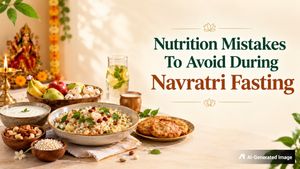 Navratri 2026 Fasting Guide: Expert Shares Common Nutrition Mistakes To Avoid


World Milk Day 2026: How to Choose the Right Milk for Your Health Goals

The milk aisle used to be a two-second decision. Now it is a full paragraph of options: full fat, toned, skimmed, A2, lactose-free, oat, almond, soy, and coconut, stacked side by side with very different nutritional profiles and very similar-sounding promises.

World Milk Day is observed every year on 1 June, established by the Food and Agriculture Organisation (FAO) of the United Nations to highlight the importance of milk as a global food and to recognise the dairy sector's contribution to nutrition, economic growth, and sustainability. This year, as the world marks the occasion on Sunday, 1 June 2026, the theme is "Celebrating Women Farmers," recognising the central role women play in dairy production and rural livelihoods worldwide. Beyond the celebration, though, the more useful question may be a personal one: which milk is actually right for you?
The Case for Cow's Milk and Why It Still Leads
Dairy milk remains the nutritional benchmark against which everything else is compared, and for good reason. A single cup delivers 8 grams of protein, 300 mg of calcium, and a full complement of vitamins A, B12, and D. The debate, for years, was whether full-fat or skimmed was the wiser choice.
Dietary guidelines have long advised people to choose skim or low-fat milk rather than whole milk. However, newer research calls this advice into question, suggesting that saturated fats do not cause heart disease in the way once assumed. The practical guidance now: choose based on your specific goal.
- Weight loss: Skimmed or toned milk delivers all the protein and calcium with significantly fewer calories, around 80 per cup, versus 150 for whole milk.
- Growing children and the elderly: Whole milk's higher calorie count and fat content are an advantage, not a liability. The extra energy and fat-soluble vitamins support growth and absorption.
- Lactose intolerance: Lactose-free dairy milk is processed with the enzyme lactase added. Nutritionally, it is identical to regular cow's milk, nothing is removed except the discomfort.
If You Are Switching to Plant-Based, Read This First

Plant-based milks are not all equal, and treating them as interchangeable is one of the most common nutritional errors Indian consumers make when switching away from dairy.
Soy milk is the closest to cow's milk in nutritional terms. One cup of soy milk provides around 9 grams of high-quality plant-based protein, comparable to the 8 grams in dairy. It is also a decent source of iron and potassium. For anyone building muscle, recovering from exercise, or managing hunger on a calorie deficit, soy milk is the plant-based option that genuinely supports the goal.
Almond milk has earned its popularity through calorie counts, not nutrition. Unsweetened almond milk contains only about 30 to 40 calories per cup and is naturally free of lactose and saturated fat - but it provides just 1 gram of protein per cup. It works well for those watching calories closely, provided protein is being sourced elsewhere.
Oat milk is the flavour favourite but carries a caveat: even unsweetened oat milk often contains added oils to mimic the creaminess of dairy, and the processing of oat starch into maltose creates simple sugars that raise the carbohydrate count. For those managing blood sugar or following a low-carb approach, it is worth reading the label carefully.
For weight management and muscle retention, cow's milk typically holds the advantage due to its protein content and lower glycaemic load. But for anyone managing a dairy allergy, following a vegan diet, or simply preferring a plant-based option, soy milk remains the most nutritionally sound switch, provided it is unsweetened and fortified with calcium and vitamin D.

Bottomline
There is no single right milk. There is only the milk that matches what your body actually needs right now, and knowing the difference between a low-calorie option and a high-protein one is the first step towards making that choice well. On World Milk Day 2026, the most meaningful thing you can do is not just celebrate milk, but understand it. Behind every carton, whether it came from a cow in Gujarat or an oat in Finland, is a decision that compounds quietly, cup by cup, day by day.
Disclaimer: The information provided in this article is for general informational and educational purposes only and is not intended as a substitute for professional medical advice, diagnosis, or treatment. Always seek the advice of your physician or a qualified healthcare provider with any questions you may have regarding a medical condition.

 Continue with Google

