




 Click it and Unblock the Notifications


Latest Updates
-
 India’s Young Workforce May Face Heart Risks Even With A Normal BMI, Heart Health Report 2026 Finds
 -
 Aishwarya Rai Bachchan Serves Dark Queen Glamour At L’Oréal Paris Le Défilé 2026
 -
 Pitru Paksha 2026: Does Ancestor Worship Bring Bad Luck If Rituals Aren’t Performed? Astrologer Explains
 -
 World Heart Day 2026: Think You Are Fit? Your Heart May Tell a Different Story
 -
 Dawn Phenomenon vs Somogyi Effect: What's The Difference?
 -
 Tritiya Shraddha 2026: Who Should Perform It, Rituals To Follow And Why The Day Holds Significance
 -
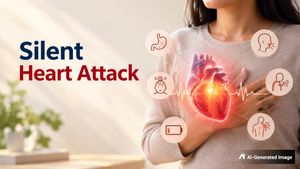 World Heart Day 2026: The Heart Attack That Doesn't Look Like a Heart Attack
 -
 Vighnaraja Sankashti Chaturthi 2026: Know The Date, Significance, Vrat Katha And Moonrise Fasting Rituals
 -
 Taylor Swift Makes VMA History: All About Her Record-Breaking Night And Striking Red Carpet Look
 -
 Bank Holidays October 2026: Check State-Wise List Before Visiting Your Branch


World Hypertension Day 2026: What Triggers Preeclampsia In Pregnancy And Who Faces Higher Risk

World Hypertension Day 2026 is observed on 17 May as a global health campaign dedicated to increasing awareness about high blood pressure and its far-reaching impact on overall well-being. Spearheaded by the World Hypertension League (WHL), the initiative emphasises the importance of routine screening, early diagnosis, and long-term management to reduce complications linked to hypertension, including heart disease, stroke, and kidney disorders.
Data from the World Health Organization (WHO) shows that hypertension affects an estimated 1.28 billion adults aged 30-79 years globally, with a significant number of cases going undetected or untreated.

As World Hypertension Day 2026 brings renewed focus to this condition, special attention is also being placed on pregnancy-related hypertension. During pregnancy, even mild increases in blood pressure can require careful medical supervision, as they may affect both maternal health and fetal development.
One of the most serious complications linked to high blood pressure in pregnancy is preeclampsia, a condition that can escalate quickly if not identified and managed in time. It also raises the risk of premature birth and other health challenges for both mother and baby.
Understanding how hypertension develops during pregnancy and recognising early warning signs is essential for reducing risks and ensuring safer outcomes.
What Is Preeclampsia?
Preeclampsia is a pregnancy-related complication that typically occurs after the 20th week of gestation. It is characterized by high blood pressure (140/90 mm Hg or above) and often includes protein in the urine or damage to organs such as the liver or kidneys. Preeclampsia can range from mild to severe and, if untreated, may lead to serious complications for both the mother and baby, including a potentially life-threatening condition called eclampsia. While it primarily occurs during pregnancy, it can also develop postpartum.
What Causes It?
The exact cause of preeclampsia remains uncertain, but researchers believe it begins in the placenta. In a healthy pregnancy, blood vessels develop to efficiently supply blood to the placenta. In women with preeclampsia, these vessels may not form or function properly, leading to restricted blood flow. This disruption may cause the placenta to release substances into the mother's bloodstream that affect blood vessel function and result in high blood pressure and organ stress.
Recognizing The Symptoms
Preeclampsia can develop silently, especially in its early stages, which is why regular prenatal check-ups are critical. However, some common symptoms include persistent headaches, swelling in the hands, face, or feet, sudden weight gain, vision changes (blurriness, flashing lights, or seeing spots), and pain in the upper right abdomen. Some women may also experience shortness of breath or nausea. Not all swelling or discomfort is cause for concern during pregnancy, but sudden or severe symptoms should never be ignored.
Who Is At Risk?
Any pregnant woman can develop preeclampsia, but certain factors increase the risk. These include:
- First-time pregnancy
- History of preeclampsia in a previous pregnancy
- Multiple pregnancies (twins, triplets)
- Chronic high blood pressure
- Diabetes or kidney disease
- Obesity or a BMI over 30
- Age over 35
- Family history of preeclampsia
- Autoimmune conditions like lupus or antiphospholipid syndrome
How It's Diagnosed
Diagnosis of preeclampsia involves monitoring blood pressure and checking for protein in the urine, typically through a urine sample. Blood tests may be performed to assess liver enzymes, kidney function, and platelet levels. Imaging, such as ultrasounds or fetal non-stress tests, may also be used to evaluate the baby's growth and well-being. Regular prenatal visits play a key role in early detection, even before noticeable symptoms appear.
Treatment And Management Options
There is no definitive cure for preeclampsia other than delivering the baby. If the condition is diagnosed close to full term (37 weeks or later), doctors may recommend induction of labor or a cesarean section. For earlier pregnancies, treatment focuses on managing symptoms to prolong the pregnancy safely. This may include blood pressure medications, corticosteroids to help fetal lung development, and magnesium sulfate to prevent seizures. Hospitalization may be required in more severe cases for continuous monitoring.
Potential Complications
If left untreated, preeclampsia can progress to eclampsia, a condition marked by seizures that can endanger both mother and baby. It may also lead to HELLP syndrome (a severe form involving liver damage and low platelets), placental abruption (where the placenta detaches from the uterus), preterm birth, and fetal growth restriction. Timely intervention greatly reduces the risk of these complications, reinforcing the importance of early diagnosis and continuous prenatal care.
Prevention And Risk Reduction
While preeclampsia cannot always be prevented, certain steps may help reduce the risk. Maintaining a healthy lifestyle before and during pregnancy is key-this includes regular exercise, a balanced diet, and managing pre-existing health conditions. In some high-risk pregnancies, doctors may recommend a daily low-dose aspirin starting in the second trimester. Monitoring your blood pressure at home and keeping all prenatal appointments are also essential parts of a preventive strategy.
Preeclampsia often resolves after delivery, but the recovery process can take days or weeks. Some women may continue to experience high blood pressure postpartum, which requires monitoring and treatment. It's also important to know that having preeclampsia increases the risk of developing cardiovascular disease later in life. Your doctor may recommend lifestyle changes and regular screenings even after pregnancy to protect your long-term health.
When To Call Your Doctor
If you're pregnant and experience any warning signs-such as intense headaches, blurred vision, sudden swelling, or abdominal pain-call your healthcare provider immediately. Even subtle changes can be early indicators of preeclampsia. Trust your instincts, and don't hesitate to speak up if something feels off. Early action can make all the difference for both you and your baby.

 Continue with Google

