




 Click it and Unblock the Notifications


Latest Updates
-
 October 2026 Horoscope: Astrologer Krishnan Sampath Reveals Health And Wellness Predictions For Zodiac Signs
 -
 India’s Young Workforce May Face Heart Risks Even With A Normal BMI, Heart Health Report 2026 Finds
 -
 Aishwarya Rai Bachchan Serves Dark Queen Glamour At L’Oréal Paris Le Défilé 2026
 -
 Pitru Paksha 2026: Does Ancestor Worship Bring Bad Luck If Rituals Aren’t Performed? Astrologer Explains
 -
 World Heart Day 2026: Think You Are Fit? Your Heart May Tell a Different Story
 -
 Dawn Phenomenon vs Somogyi Effect: What's The Difference?
 -
 Tritiya Shraddha 2026: Who Should Perform It, Rituals To Follow And Why The Day Holds Significance
 -
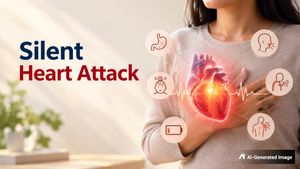 World Heart Day 2026: The Heart Attack That Doesn't Look Like a Heart Attack
 -
 Vighnaraja Sankashti Chaturthi 2026: Know The Date, Significance, Vrat Katha And Moonrise Fasting Rituals
 -
 Taylor Swift Makes VMA History: All About Her Record-Breaking Night And Striking Red Carpet Look


Rat Poison To Reduce Heart Attack Risk


According to a study published in the New England Journal of Medicine, a new drug developed as an alternative to popular drug warfarin, also used as rat poison, has been found to significantly reduce stroke risk.
Though there does exist the practice of giving warfarin to patients at risk of stroke, however, the treatment is considered to be quite dangerous and a regular supervision has to be maintained during the process.
In the new study, the doctors found that the new drug, dabigatran (Pradaxa), was 34 per cent more effective at reducing the heart risk and blood clots in at-risk patients than well-controlled warfarin. It also reduced death rates by 15 per cent.
In the three-year long study, the researchers recruited patients with an average age of 71, all of whom suffered from atrial fibrillation, a heart rhythm disorder that greatly increases the risk of stroke.
The British Heart Foundation said that the results for an alternative to warfarin were promising, but the drug would not be available to patients until next year at the earliest.
"Warfarin is a highly effective treatment when indicated for stroke prevention, but it is underused, often because of safety concerns or the need for regular blood tests to monitor its effects," Times Online quoted Keith Muir, a medical advisor for the Stroke Association, as saying.
The trial indicates that dabigatran may offer a useful alternative to warfarin for stroke prevention in some circumstances. "However, the trial only involved people who could equally well have taken warfarin, and anyone currently taking warfarin should continue it unless advised by their doctor," he added.
AGENCIES
Disclaimer: The information provided in this article is for general informational and educational purposes only and is not intended as a substitute for professional medical advice, diagnosis, or treatment. Always seek the advice of your physician or a qualified healthcare provider with any questions you may have regarding a medical condition.

 Continue with Google

