




 Click it and Unblock the Notifications


Latest Updates
-
 Karwa Chauth Solah Shringar: The Significance Of The 16 Traditional Adornments
 -
 Weight-Loss Injections Are Not a Quick Fix: The Hidden Risks of GLP-1 Drugs
 -
 When Two Epilepsy Medicines Fail, What Should Families Do Next?
 -
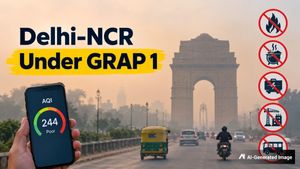 Delhi-NCR Under GRAP 1: The Curbs, the Bans and the Rules to Know
 -
 Sepsis Can Look Like ‘Just a Bad Infection’: Expert Lists Warning Signs Families Need to Know
 -
 Amitabh Bachchan Social Media Break: Doctors Ask Big B To Rest
 -
 Throwback Thursday: Yash Chopra’s Heroines And The Fashion That Defined Bollywood Romance
 -
 Deepika Padukone Wears ₹90,000 Gold Kurta Set As Ranveer Singh, Daughter Dua Twin For Baby Devi’s Name Reveal
 -
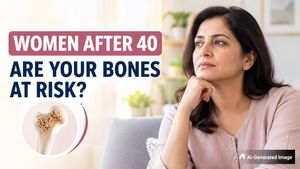 Women, Menopause And Bone Health: Doctor Explains Why Osteoporosis Risk Rises After 40
 -
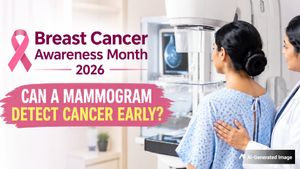 Can Breast Cancer Be Detected Before Symptoms Appear? A Doctor Explains The Role Of Screening


Partners In Health - Serving the Needy

Partners In Health (PIH) is a non-profit health care organization. It was founded in 1987 by Dr. Paul Farmer. Two years later, the Clinique Bon Sauveur was set up in Cange, Haiti, to deliver health care to the residents of the mountainous Central Plateau. PIH co-founders had been working in the area for years.
PIH developed a model of community-based care, that was used successfully to treat MDR TB in the slums of Lima, Peru, and deliver antiretroviral therapy for AIDS in a squatter settlement in rural Haiti. National health authorities in both countries have now significantly expanded these pilot projects. Today, PIH has transplanted and adapted its model of care to the epicenter of the HIV pandemic in Africa, launching projects in Rwanda and Lesotho. Elements of PIH's community-based approach have been disseminated to and adapted by other countries and programs throughout the world.
By training physicians, s, health workers, and administrators in settings of poverty, PIH is developing a new generation of health care providers able to deliver comprehensive, community-based care through the PIH model in even the poorest and most remote places. Training is one of the most important ways of reinforcing, replicating and transmitting the PIH model.
In Haiti, Peru, Russia, and now Rwanda, PIH has built regional or national training centers and helped the partners to launch ambitious training programs. PIH is working to standardize training materials used at all of their sites to help insure quality, internal consistency, and the transfer of learning and best practices across programs and countries.
Disclaimer: The information provided in this article is for general informational and educational purposes only and is not intended as a substitute for professional medical advice, diagnosis, or treatment. Always seek the advice of your physician or a qualified healthcare provider with any questions you may have regarding a medical condition.

 Continue with Google

