




 Click it and Unblock the Notifications


Latest Updates
-
 Nepal Flash Flood: What Happened In Gorkha’s Budhi Gandaki And What We Know So Far
 -
 Who Is Nakul Dhull? Bigg Boss 20 Wildcard And The Row Over His Old Videos
 -
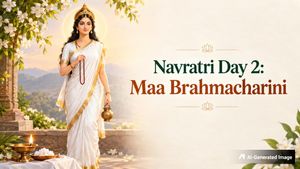 Navratri 2026 Day 2: Wear White, Offer Sugar, Chant This Mantra To Honour Maa Brahmacharini
 -
 World Arthritis Day 2026: Theme, Types, Symptoms And Why Early Diagnosis Is Important
 -
 Ambani Women Celebrate Devi Shakti And Indian Craft In Style At Swadesh’s First Anniversary
 -
 Actor Imran Khan Detained With Girlfriend Lekha Washington During CJP Protest In Mumbai, Later Released
 -
 The Festive Love Trap: Survey Reveals If Second-Chance Seekers Are Choosing Love Or Giving In To FOMO
 -
 Navratri to Diwali 2026: How to Transition Your Home Décor Seamlessly
 -
 International Day Of The Girl Child 2026: What To Know About This Year's Theme And The Challenges Girls Face
 -
 Navratri 2026: Which Day Is Most Powerful For Your Zodiac Sign? Astrologer Ashutosh Clairvoyant Explains


Navratri 2026: How To Break Your Fast Without Upsetting Your Stomach, According To A Dietician

Navratri 2026 is a time when many devotees observe fasts for nine days, following specific dietary restrictions and eating only certain foods. After hours of fasting, however, the first meal can affect how comfortably the digestive system adjusts to food again. Eating too much, choosing fried dishes or consuming highly spiced foods immediately after a fast may trigger bloating, acidity and discomfort.

Breaking a Navratri fast requires some care, from staying hydrated to choosing easily digestible foods and controlling portion sizes. Dr. Sharvari Umesh Gude, Senior Dietician and Clinical Nutritionist at Manipal Hospital Goa, shares practical tips on how to resume eating without upsetting your stomach.
1. Stay Hydrated Before Eating
Hydration plays an important role while fasting. She recommends sipping plain water, coconut water, lemon water or plain buttermilk, if allowed during the fast. Sipping small quantities of room-temperature water can help keep bloating away and gently wake up the digestive system.
2. Start With Easily Digestible Foods
Rather than beginning with a heavy meal, Dr. Gude suggests starting with a small quantity of fruit. Apple, papaya, banana and pomegranate can help replenish energy after fasting. She advises avoiding citrus fruits to keep acidity or reflux away.
3. Include Gut-Friendly Options
Add a bowl of curd or a glass of plain buttermilk around 15 minutes after consuming fruit. These foods can provide beneficial bacteria that support gut health and may help soothe the digestive system.
4. Pause Before Having a Full Meal
It is important to give the stomach some time to adjust before eating a larger meal. She recommends taking a break of 20-30 minutes after consuming fruit, curd or other light snacks before proceeding with the main meal.
5. Choose Light, Non-Fried Foods
Choose light, non-fried foods when breaking a fast. Makhana and dried fruits can help provide energy, while cheela or dosa prepared using chana dal flour or ragi flour with vegetables can support protein intake.
6. Control Your Portion Sizes
Do not go straight into a heavy feast after fasting. Overeating immediately after a fast can trigger severe bloating, acid reflux and sluggishness. Starting with smaller portions and eating gradually can help avoid discomfort.

7. Know Which Foods And Habits To Avoid
Dr. Gude highlights a few things to keep in mind when breaking a Navratri fast:
- Avoid deep-fried foods: Heavy, fried foods can put additional strain on the digestive system after fasting.
- Watch your spice and sugar intake: Skip overly spicy dishes and highly sugary foods that may cause gastric irritation or blood sugar spikes.
- Do not lie down immediately after eating: Dr. Gude recommends taking a light walk for 15-20 minutes before lying down and remaining upright after meals. Keeping a gap of at least two to three hours before sleeping after a heavy meal can help with digestion.
How To Break Your Navratri 2026 Fast Comfortably
Breaking a Navratri fast does not have to mean immediately returning to large, elaborate meals. As Dr. Gude explains, staying hydrated, starting with light foods, allowing time between snacks and the main meal, and avoiding overeating can help make the transition easier on the stomach.
Paying attention to portion sizes and post-meal habits can also reduce the likelihood of digestive discomfort, allowing devotees to resume their regular eating routine more comfortably.
Disclaimer: The information provided in this article is for general informational and educational purposes only and is not intended as a substitute for professional medical advice, diagnosis, or treatment. Always seek the advice of your physician or a qualified healthcare provider with any questions you may have regarding a medical condition.

 Continue with Google

