




 Click it and Unblock the Notifications


Latest Updates
-
 Navratri 2026 Food Hopping In Delhi NCR: 7 Places To Explore For A Taste Of Festive Flavours
 -
 Why Casual Games Are Perfect for Quick Online Play
 -
 World Menopause Day 2026: Theme, Significance And What Research Reveals About Menopause In India
 -
 Navratri Day 8: Maa Mahagauri Puja, Colour, Rituals And Significance
 -
 Dussehra 2026: The Difference Between Vijayadashami And Ravana Dahan
 -
 Veteran Musician Deva Dies At 75: Life And Legacy Of Thenisai Thendral
 -
 Navratri Fasting Diet: How To Stay Energised And Full Through The Day
 -
 Kavya Maran Wedding In Greece? Date, Venue, and What Is Confirmed
 -
 Navratri Fasting 101: What To Eat, What To Skip, And How To Avoid Acidity And Headaches
 -
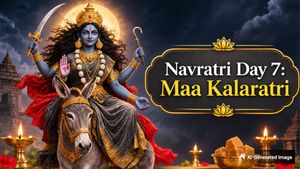 Navratri Day 7: Maa Kalaratri Puja, Colour, Rituals And Significance


Mumbai Rains: What Are The Diseases Caused By Water Logging? Know How To Prevent Them

Moderate to heavy rain is expected in Mumbai and its suburbs on Wednesday, 24 July 2024, according to the Regional Meteorological Centre. An orange alert has been issued for Thane, indicating the possibility of heavy to very heavy rainfall. The Kalyan Dombivli Municipal Corporation (KDMC) has advised residents to venture out only if necessary.
The incessant rainfall has disrupted daily life, and people from various parts of the city and suburbs shared videos of their struggles with waterlogging. Further, it has raised concerns among residents about potential disruptions and safety hazards.

The situation prompted many to stay indoors unless absolutely necessary. Public transport users faced uncertainty as train delays increased throughout the day. Despite these challenges, some essential workers had no choice but to navigate through the difficult conditions.
Water logging, the accumulation of stagnant water due to poor drainage, creates a conducive environment for numerous diseases. Let us know about the diseases caused by water logging in Mumbai, their transmission, symptoms, preventive measures, and the importance of public awareness and infrastructural improvements in mitigating these health risks.

Diseases Caused By Water Logging
1. Leptospirosis
Leptospirosis is a bacterial infection transmitted through water contaminated by the urine of infected animals, especially rodents. Humans can contract the disease through cuts or abrasions on the skin or mucous membranes. Symptoms include high fever, severe headache, muscle pain, chills, redness of the eyes, and jaundice. In severe cases, it can lead to kidney damage, liver failure, or respiratory distress.
Prevention:
Avoiding wading through floodwaters, wearing protective clothing, and ensuring proper wound care can help prevent leptospirosis. Rat control measures are also essential.
2. Dengue Fever
Dengue fever is transmitted by the Aedes mosquito, which breeds in stagnant water. The mosquitoes become carriers when they bite infected individuals and then spread the virus to others. High fever, severe headache, pain behind the eyes, joint and muscle pain, rash, and mild bleeding are common symptoms. Severe dengue can cause plasma leakage, fluid accumulation, respiratory distress, severe bleeding, or organ impairment.
Prevention:
Eliminating mosquito breeding sites, using insect repellents, and installing mosquito nets/screens are crucial preventive measures.
3. Malaria
Malaria is caused by Plasmodium parasites, transmitted to humans through the bites of infected Anopheles mosquitoes, which thrive in stagnant water. Symptoms include fever, chills, headache, nausea, vomiting, muscle pain, and fatigue. Severe cases can result in complications such as anemia, cerebral malaria, and organ failure.
Prevention:
Preventive measures include using mosquito nets, insect repellents, and eliminating stagnant water to reduce mosquito breeding.
4. Cholera
Cholera is a bacterial infection caused by Vibrio cholerae, often spread through contaminated water. It is commonly associated with poor sanitation and hygiene conditions. Symptoms include severe diarrhea, vomiting, and dehydration, which can be life-threatening if not treated promptly.
Prevention:
Ensuring access to clean drinking water, proper sanitation, and practicing good hygiene are key to preventing cholera outbreaks.
5. Typhoid Fever
Typhoid fever is caused by the Salmonella typhi bacteria, transmitted through contaminated food and water. Symptoms include high fever, weakness, stomach pain, headache, and loss of appetite. In severe cases, it can cause intestinal perforation.
Prevention:
Safe drinking water, good sanitation practices, and vaccination can help prevent typhoid fever.
6. Hepatitis A and E
Hepatitis A and E are viral infections transmitted through ingestion of contaminated food and water. Both viruses affect the liver. Symptoms include fever, fatigue, loss of appetite, nausea, vomiting, abdominal pain, and jaundice.
Prevention:
Vaccination (for Hepatitis A), maintaining proper sanitation, and ensuring safe food and water consumption are effective preventive measures.
Preventive Measures And Public Awareness
1. Improving Drainage Systems
Enhancing urban drainage systems to prevent water logging is crucial. Regular maintenance and upgrading of sewage systems can reduce water stagnation. Also, clearing drains and ensuring proper waste disposal to prevent blockages can mitigate the risk of water logging.
2. Public Health Campaigns
Educating the public about the risks of water logging and associated diseases is essential. Awareness campaigns can promote hygiene practices and preventive measures. Also, encouraging community participation in maintaining cleanliness and reporting issues related to water logging can enhance overall public health efforts.
3. Sanitation and Hygiene
Ensuring the availability of clean drinking water is fundamental in preventing waterborne diseases. Promoting regular handwashing, safe food preparation, and proper waste disposal can significantly reduce the risk of infection.
4. Vector Control
Implementing mosquito control programs, including fumigation and breeding site elimination, can help reduce the incidence of vector-borne diseases. Encouraging the use of insect repellents, mosquito nets, and wearing long-sleeved clothing can provide personal protection against mosquito bites.
By prioritizing these measures, Mumbai can better prepare for the monsoon season and protect its residents from the adverse effects of waterborne diseases.
Disclaimer: The information provided in this article is for general informational and educational purposes only and is not intended as a substitute for professional medical advice, diagnosis, or treatment. Always seek the advice of your physician or a qualified healthcare provider with any questions you may have regarding a medical condition.

 Continue with Google

