




 Click it and Unblock the Notifications


Latest Updates
-
 Veteran Musician Deva Dies At 75: Life And Legacy Of Thenisai Thendral
 -
 Navratri Fasting Diet: How To Stay Energised And Full Through The Day
 -
 Kavya Maran Wedding In Greece? Date, Venue, and What Is Confirmed
 -
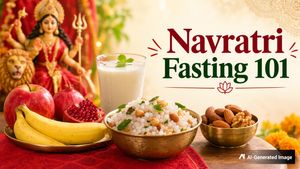 Navratri Fasting 101: What To Eat, What To Skip, And How To Avoid Acidity And Headaches
 -
 Navratri Day 7: Maa Kalaratri Puja, Colour, Rituals And Significance
 -
 Office To Dandiya Nights: One Quick-Change Outfit Formula For Navratri 2026
 -
 As ‘Ranabaali’ Hits Theatres, A Look At Rashmika Mandanna’s ₹1.31 Lakh Ivory Saree For Pre-Release Promotions
 -
 Durga Puja Pandals Mumbai 2026: 7 Stunning Celebrations To Explore From Matunga To Juhu
 -
 World Spine Day 2026: Is Your Phone Habit Causing Neck Pain? What To Know About Tech Neck
 -
 Breast Cancer Awareness Month 2026: Expert Explains Why Family History Isn't the Only Risk


How To Manage Stress And High Blood Pressure In The First Place

High blood pressure, also known as hypertension, is a common health condition that affects millions of people in India. It occurs when the force of blood against the walls of your arteries is consistently too high. If left untreated, it can lead to serious complications such as heart disease and stroke.

Get Regular Check-ups
Regular check-ups with your healthcare provider are crucial if you have high blood pressure. They will monitor your blood pressure levels and make necessary adjustments to your treatment plan. These check-ups also help identify any potential risk factors or underlying conditions that may contribute to high blood pressure.
Follow a Healthy Diet
Adopting a healthy diet plays a significant role in managing high blood pressure. Consume foods low in sodium, saturated fats, and cholesterol while emphasizing fruits, vegetables, whole grains, lean proteins (like fish), and low-fat dairy products. This helps control your weight and promotes overall cardiovascular health.
Engage in Regular Physical Activity
Physical activity is essential for maintaining optimal blood pressure levels. Engage in aerobic exercises like brisk walking, jogging or cycling for at least 150 minutes per week or engage in moderate-intensity activities for shorter durations throughout the day. Consult with your doctor before starting any exercise regimen.
Reduce Stress Levels
Chronic stress can contribute to high blood pressure. Practice relaxation techniques like deep breathing exercises, meditation or yoga to manage stress levels effectively. Engaging in hobbies, spending time with loved ones, and getting enough sleep are also beneficial for reducing stress.
Limit Alcohol Consumption
Excessive alcohol consumption can raise blood pressure levels. If you drink alcohol, do so in moderation - up to one drink per day for women and up to two drinks per day for men. It's important to note that excessive drinking can negate any potential health benefits of moderate alcohol consumption.
Quit Smoking
Smoking not only damages your lungs but also increases your risk of developing high blood pressure and heart disease. Quitting smoking is crucial for managing hypertension effectively. Seek support from healthcare professionals or join smoking cessation programs if needed.
Take Medications as Prescribed
In some cases, lifestyle changes may not be sufficient to control high blood pressure alone. Your doctor may prescribe medications based on your specific condition. It's essential to take them regularly as prescribed and never make adjustments without consulting your healthcare provider.
Disclaimer: The information provided in this article is for general informational and educational purposes only and is not intended as a substitute for professional medical advice, diagnosis, or treatment. Always seek the advice of your physician or a qualified healthcare provider with any questions you may have regarding a medical condition.

 Continue with Google

